Part of our Wedding Debates series
You've tasted approximately 47 different chicken dishes. You've debated whether salmon is "too risky" for a crowd. You've learned more about catering minimums than you ever wanted to know.
Now comes the question that might matter even more than the menu itself: How are you actually going to serve this food?
Formal plated dinner with multiple courses? Casual buffet where guests can choose what they want? Trendy food trucks that double as entertainment? Each option creates a completely different experience—and comes with its own price tag, logistics, and potential for guest complaints.
Some couples can't imagine their wedding without the elegance of a plated dinner. Others love the relaxed vibe of a buffet or the Instagram-worthy fun of food trucks. And plenty of couples are just trying to figure out which option won't blow their budget while still feeding everyone well.
This is part of our Wedding Debates series, where we tackle the planning decisions that divide couples, families, and wedding guests. We’re not here to tell you which service style is “best.” We’re here to give you the real information so you can decide what works for your wedding.
Ask Yourself: What Matters Most for Your Reception?
Before you commit to a service style, get clear on your priorities:
About your vision: Do you picture a formal, elegant evening or a relaxed, casual celebration? Does the service style need to match your venue’s vibe, or are you intentionally mixing it up?
About your guests: Are you feeding 50 people or 250? Do you have elderly guests or people with mobility issues who would struggle with a buffet line? Are your guests adventurous eaters or more traditional?
About your budget: What’s your realistic per-person food budget? Are you trying to maximize variety or minimize cost?
About timing: How long is your reception? Do you want guests seated and eating quickly, or is lingering over a multi-course meal part of your vision?
About logistics: Does your venue have kitchen facilities? Loading dock access for food trucks? Space for buffet tables? Some service styles simply won’t work at certain venues.
Your answers will point you toward the service style that actually makes sense for your celebration.
The Case FOR Plated Dinners
Let’s start with the traditional choice, and why it’s still the most popular option for formal weddings.
It Feels Special and Elegant
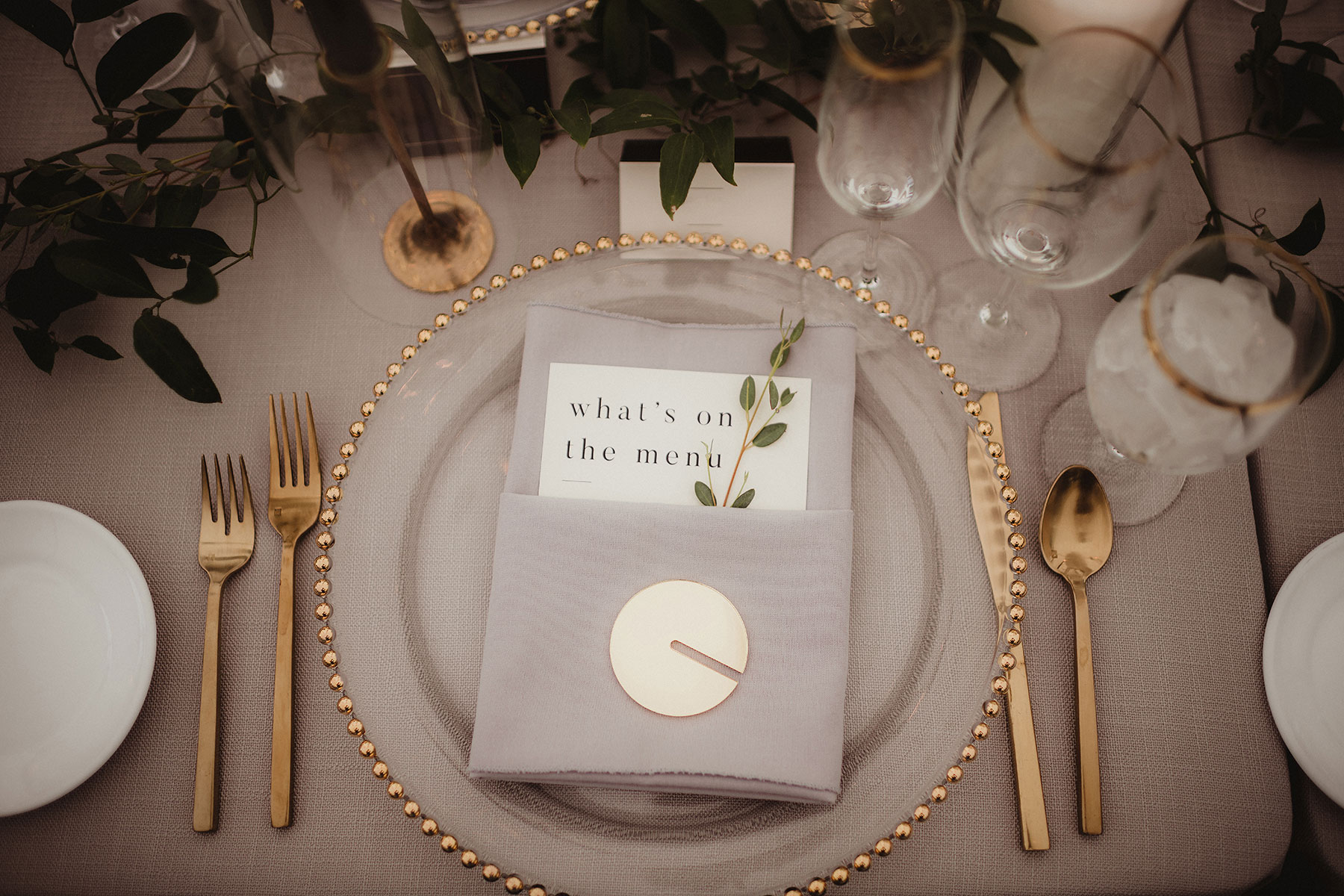
There’s something undeniably sophisticated about a plated dinner. Guests stay seated, courses arrive beautifully presented, and everyone’s served at roughly the same time. It creates the atmosphere of a fine dining experience—which is exactly what many couples want for their wedding.
“We got married at a historic mansion, and a plated dinner just fit the setting,” says Catherine, married in Charleston in 2024. “Our guests were seated at round tables with gorgeous centerpieces, and the waitstaff brought out each course. It felt luxurious and special. That was the whole point.”
Everyone Eats at the Same Time
With a plated dinner, you control the timing. Salads come out together. Entrees arrive together. Nobody’s stuck in a buffet line while others are already eating. This creates natural moments for toasts, speeches, and transitioning to dancing. Everything flows on a predictable schedule.
No Lines, No Crowds, No Chaos
Buffets mean lines. Lines mean waiting. Waiting means some guests eat hot food while others eat lukewarm food. Elderly guests or people with mobility issues don’t have to navigate crowded buffet stations. Everyone just sits, relaxes, and gets served.
Portion Control Helps Budget Planning
When you’re paying per person, plated dinners give you exact portion control. You know exactly how much food you’re serving and what it costs. There’s no risk of running out (or having massive waste) because the caterer prepares the exact count you need.
It Looks Beautiful
A well-plated dish is visual art. Your photographer can capture stunning detail shots of the food presentation. Instagram-worthy? Absolutely. And unlike buffet stations that get messy as the night goes on, plated presentations stay pristine.
Dietary Restrictions Are Easier to Manage
With advance meal selections, guests with allergies or dietary needs get exactly what they requested. The kitchen knows which plates are vegetarian, gluten-free, or dairy-free. There’s no cross-contamination risk from shared serving utensils at a buffet.
The Case AGAINST Plated Dinners
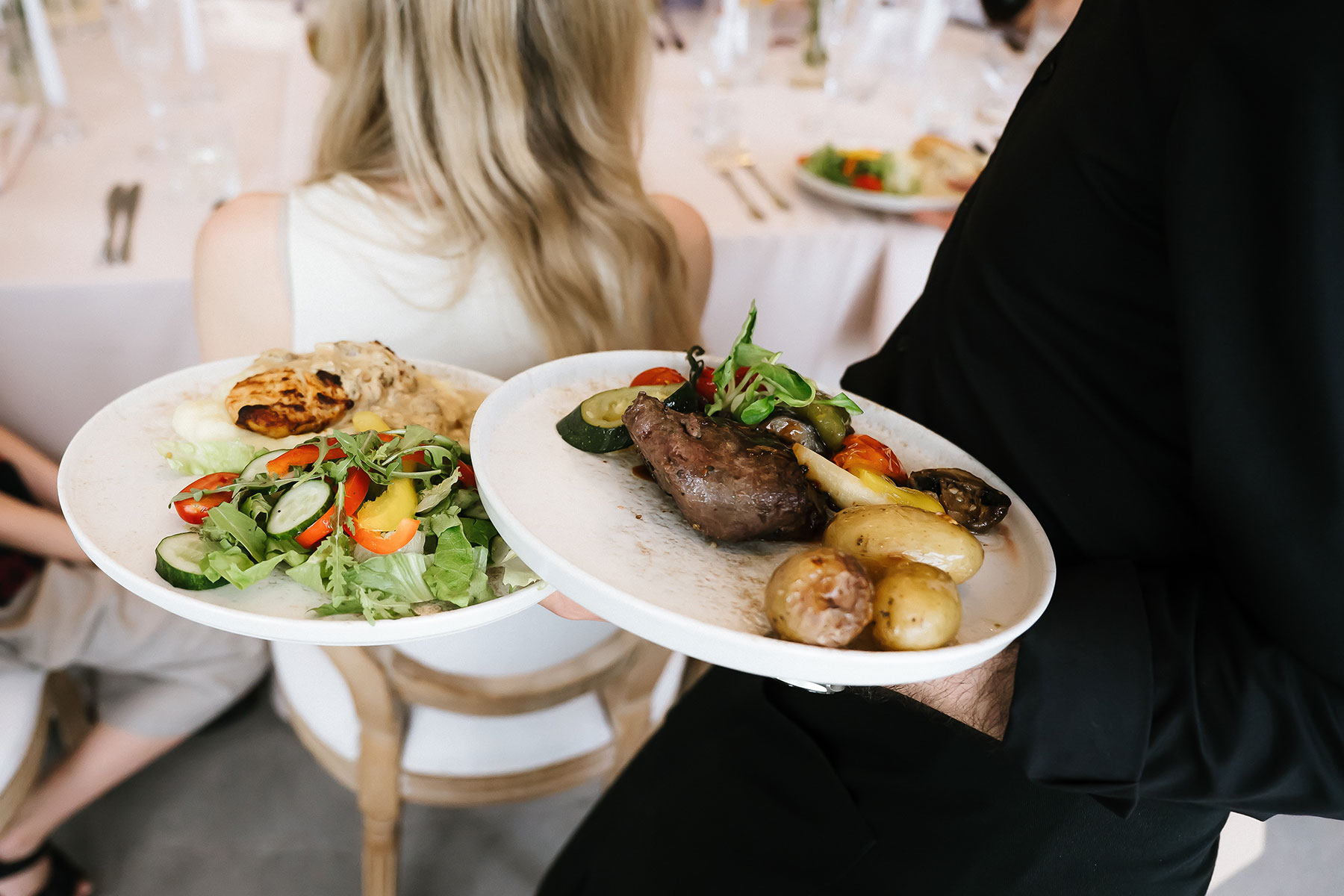
Now for why some couples skip the formal service—because plated dinners come with real drawbacks.
It’s Usually the Most Expensive Option
Plated dinners require more staff. More courses mean more labor. Formal service means professional waitstaff who command higher wages. You’re paying for the presentation and the service, not just the food.
“We got quotes for plated service and nearly fell over,” admits Marcus, who got married in Los Angeles in 2023. “Our caterer wanted $165 per person for a three-course plated dinner. The exact same menu as a buffet was $95 per person. We had 180 guests. That’s a $12,600 difference. We chose the buffet and used the savings for our honeymoon.”
Guests Don’t Get to Choose
With plated service, guests select their entree in advance (usually weeks before the wedding). By the time dinner arrives, they might not remember what they ordered or might have changed their mind. And there’s always someone who’s unhappy with their choice or wishes they could try multiple options.
Timing Is Rigid
If your ceremony runs late or cocktail hour goes long, a plated dinner schedule can fall apart. The kitchen has prepared food for a specific service time. Delays mean rushed service or food sitting under heat lamps. You’re locked into a timeline that doesn’t allow much flexibility.
It Can Feel Too Formal
Not every couple wants their reception to feel like a fancy restaurant. If your vibe is casual, fun, and relaxed, a formal plated service might feel stuffy or overly traditional. Your food service should match your celebration’s energy.
Pre-Selected Meals Create Logistical Headaches
Collecting meal selections, tracking them, creating escort cards or place cards with meal indicators, making sure the catering team knows who gets what—it’s a lot of behind-the-scenes work. And mistakes happen. Someone gets the wrong meal, someone’s selection was lost, someone forgot to RSVP with a choice.
The Case FOR Buffets
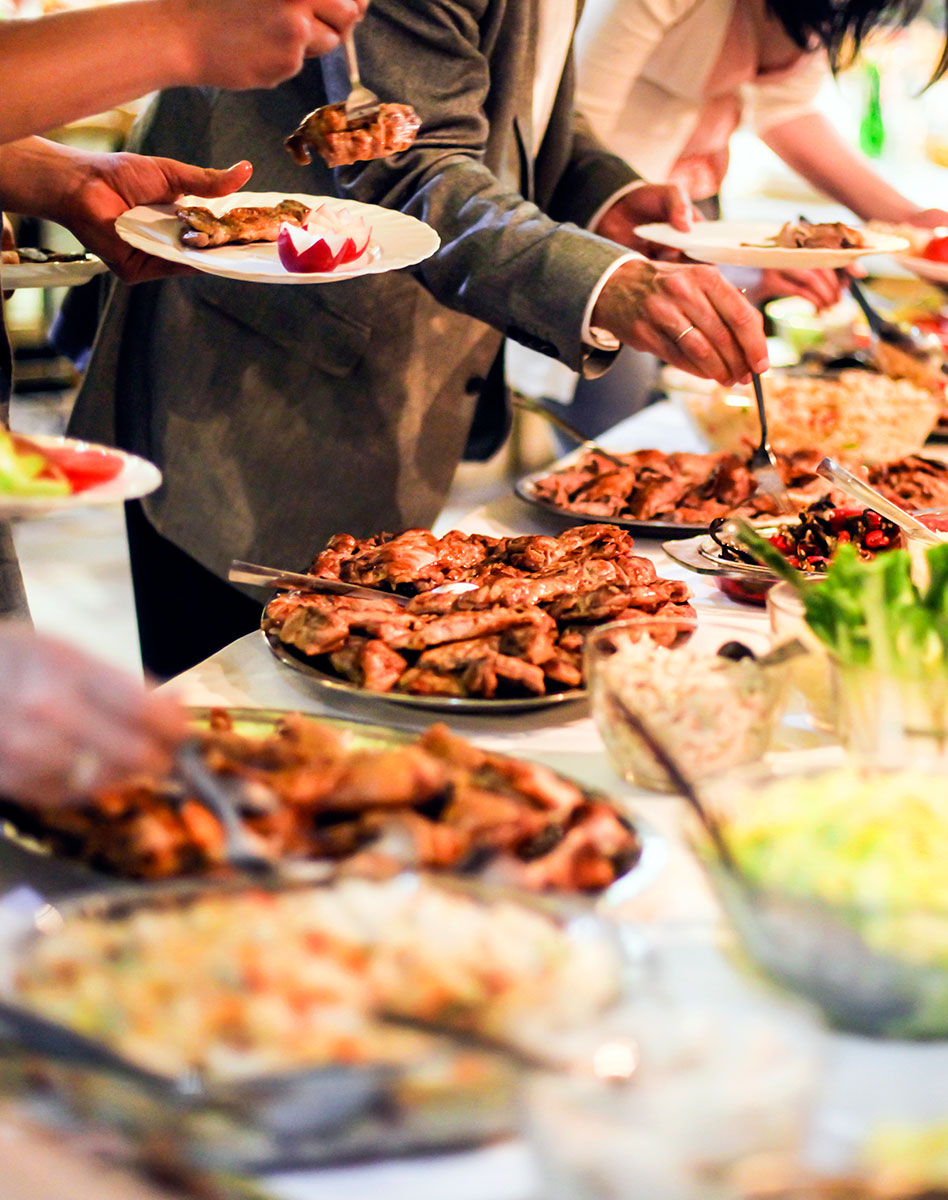
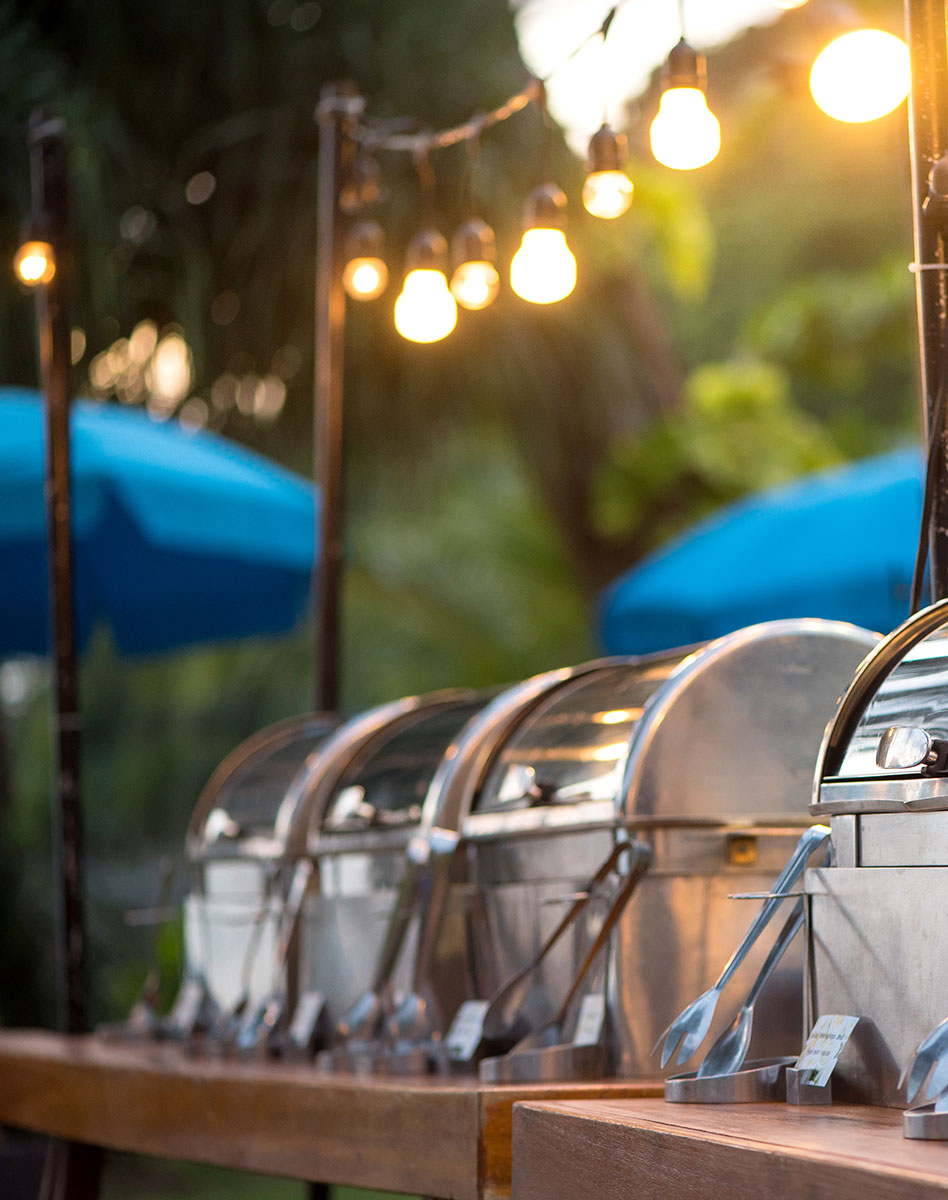
Buffets get a bad reputation, but here’s why they’re actually the smart choice for many weddings.
Variety Makes Everyone Happy
With a buffet, you can offer 3-4 entree options plus multiple sides. Guests who love adventurous food can try everything. Picky eaters can stick with what they know. Vegetarians can load up on sides even if the main vegetarian entree doesn’t appeal. Everyone gets exactly what they want.
“We did a Southern buffet with fried chicken, pulled pork, mac and cheese, collard greens, cornbread—the works,” says Ashley, married in Nashville in 2023. “Our guests raved about it. People took a little of everything, came back for seconds of what they loved, and nobody left hungry. It was perfect for our vibe.”
It’s Usually More Budget-Friendly
Buffets typically cost 20-40% less than plated service for the same menu. You need fewer servers. There’s less kitchen labor for plating individual dishes. And because guests serve themselves, you’re not paying for that formal service premium.
The Atmosphere Is Relaxed and Social
Buffets create natural mingling. Guests chat in line, compare what they’re choosing, and move around the room. It’s inherently more casual and interactive than everyone sitting in their assigned seats waiting for courses.
You Can Showcase Cultural or Regional Cuisine
Buffets work beautifully for weddings that want to highlight specific cuisines—Indian food with multiple curries and rice dishes, Mexican spreads with various proteins and toppings, Mediterranean mezze with tons of small plates. These cuisines are meant to be shared and sampled, not plated as individual portions.
Seconds Are Built In
With plated service, what’s served is what you get. With a buffet, hungry guests can go back for more. Athletes, teenagers, and anyone with a big appetite appreciates this. And honestly? Wedding food is often really good. Why not let people enjoy more of it?
The Case AGAINST Buffets
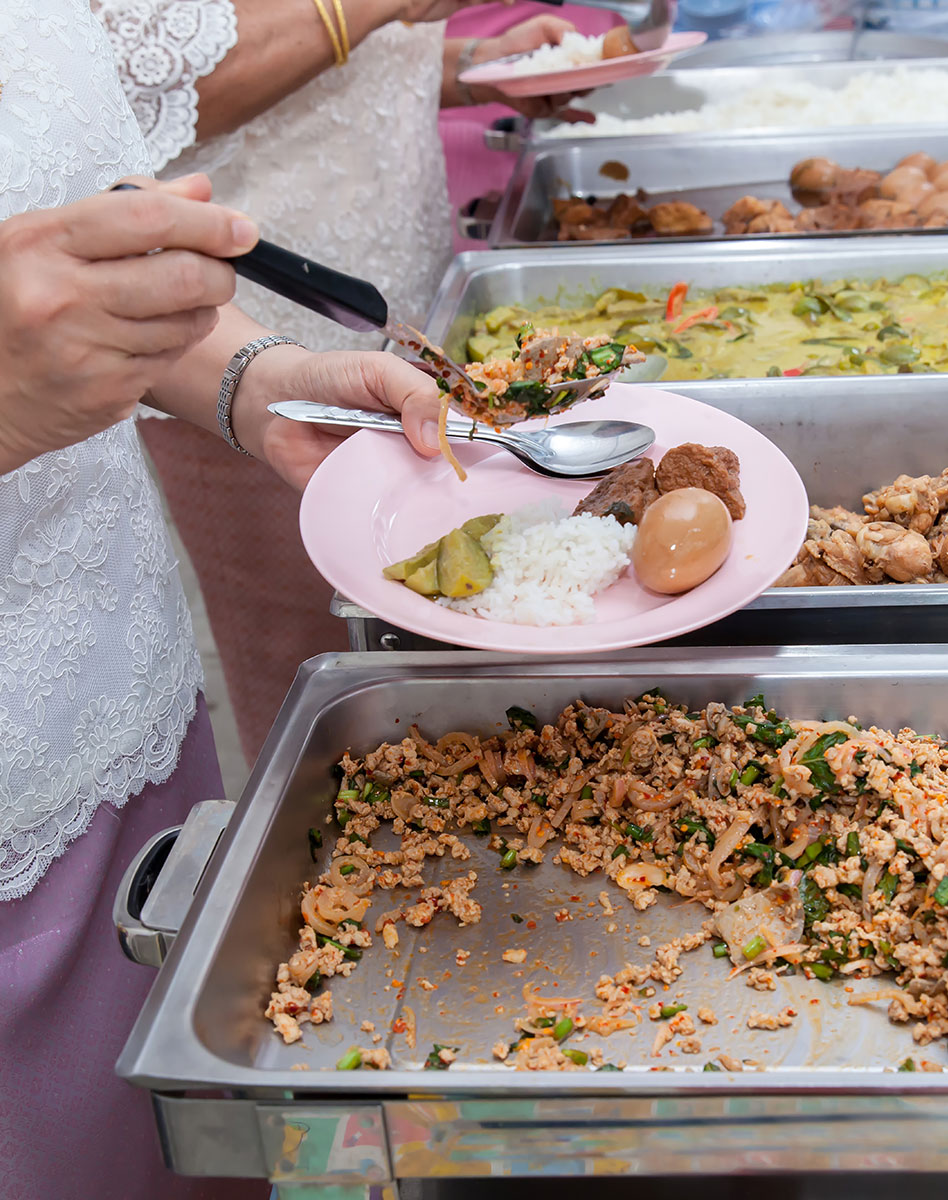
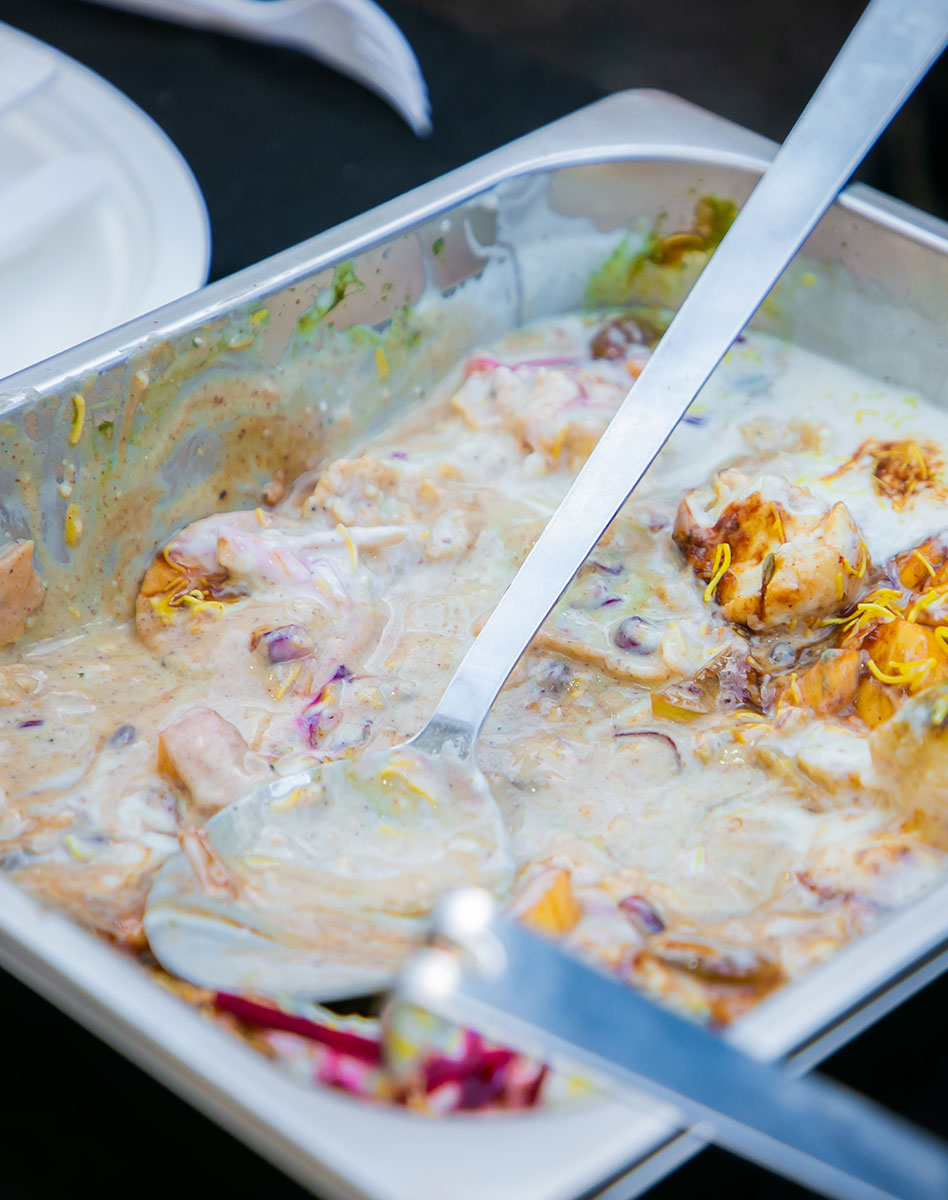
But buffets aren’t perfect either. Here’s what can go wrong.
Lines Can Be Long and Frustrating
If you have 150 guests and one buffet station, you’re looking at 30-45 minutes for everyone to get through the line. People at tables called last are eating 45 minutes after people called first. Food gets cold. Guests get impatient.
“The buffet line at our wedding was a disaster,” admits Rachel, married in Denver in 2022. “We had 200 people and didn’t set up enough stations. The line wrapped around the room. People were grumbling. By the time the last tables were called, some items had run out. It was embarrassing.”
Timing Is Hard to Control
When do you call tables? How long should you wait between groups? When should speeches happen—before food, during, or after? Buffets make reception timing unpredictable, which can throw off your photographer, DJ, and your own stress levels.
The Presentation Gets Messy
Buffets look beautiful when they’re first set up. Two hours later? Serving utensils are in the wrong dishes, food is splattered, garnishes are wilted. It’s not anyone’s fault—it’s just what happens when 150 people serve themselves.
Food Safety and Temperature Control Are Trickier
Hot food needs to stay hot. Cold food needs to stay cold. Buffets sit out longer, which means more opportunity for temperature issues. And shared serving utensils can be a concern for guests with severe allergies.
Some Guests Physically Struggle With Buffets
Elderly guests, people using wheelchairs or walkers, anyone with mobility limitations—buffets can be genuinely difficult. Balancing a plate while serving yourself, navigating crowds, carrying food back to your table—it’s harder than it looks.
People Take Way Too Much (or Not Enough)
There’s always someone who loads their plate like it’s Thanksgiving, leaving less for people behind them. And there’s always someone who takes tiny portions and then wonders why they’re starving an hour later. Portion control is completely out of your hands.
The Case FOR Food Trucks

Now for the trendy option that’s increasingly popular for casual, outdoor, and creative weddings.
It’s Genuinely Fun and Memorable
Food trucks aren’t just dinner—they’re entertainment. Guests watch their food being prepared, chat with the chefs, and have an experience that feels special and different. It’s inherently Instagram-worthy and creates great photo opportunities.
“We had two food trucks at our backyard wedding—one for tacos, one for wood-fired pizza,” says Brian, married in Austin in 2024. “Our guests loved it. The trucks became a gathering spot where people hung out, and everyone was talking about how cool it was. Three years later, people still bring up our food trucks.”
The Food Quality Can Be Exceptional
Food truck operators are often passionate chefs who’ve built their business on quality. The food is made to order, hot off the grill or out of the oven. For certain cuisines—tacos, BBQ, pizza, Asian fusion—trucks often deliver better quality than traditional catering.
It Works for Casual, Outdoor Weddings
Farm weddings, backyard celebrations, brewery receptions, park ceremonies—food trucks fit these venues perfectly. They’re mobile, self-contained, and don’t require fancy kitchen facilities.
It Can Actually Save Money
Food trucks typically charge per person ($15-30 per guest) or have a minimum purchase. For smaller weddings, this can be significantly cheaper than traditional catering minimums. And you’re not paying for linens, china, glassware, or extensive staffing.
Dietary Restrictions Are Easier
Many food trucks naturally accommodate different diets. A taco truck can easily do vegetarian, vegan, or gluten-free. A pizza truck can modify toppings. Build-your-own concepts let guests customize to their needs.
The Case AGAINST Food Trucks
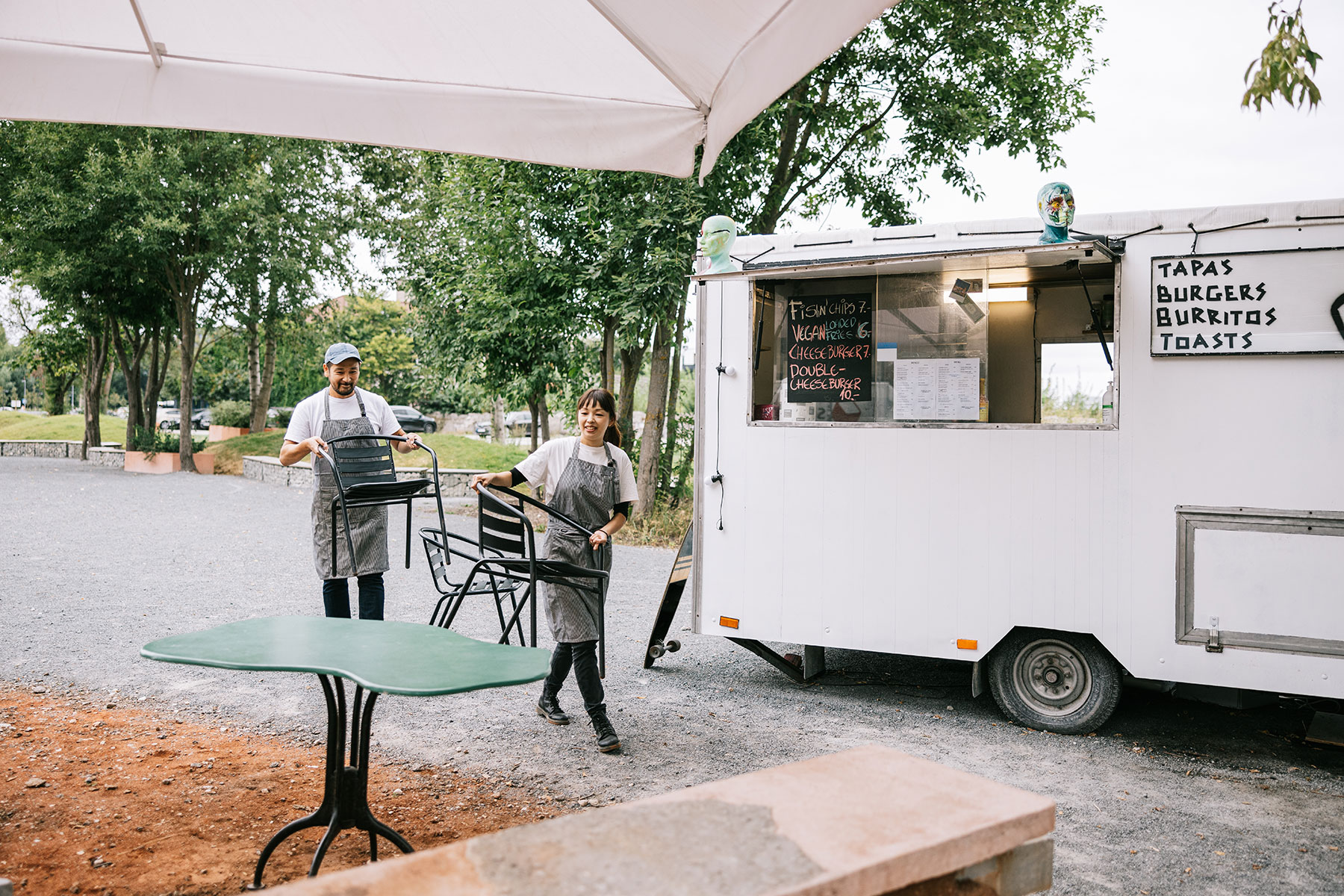
But food trucks come with limitations that can be dealbreakers for some couples.
Venues Often Don’t Allow Them
Many traditional venues—hotels, country clubs, historic estates—don’t permit outside food trucks. They have exclusive catering contracts or lack the parking/electrical setup trucks need. Always check with your venue before falling in love with this option.
Weather Is a Major Wildcard
Food trucks are almost always outdoor service. If it’s 95 degrees, guests are standing in the sun waiting for tacos. If it rains, everyone’s getting soaked. If it’s 40 degrees, nobody wants to stand outside. You need a solid weather backup plan.
Lines Can Be Even Worse Than Buffets
One food truck can serve about 60-80 people per hour. If you have 150 guests and one truck, you’re looking at two hours for everyone to eat. Most couples hire 2-3 trucks to avoid this, which obviously increases cost.
“We thought one pizza truck could handle our 120 guests,” says Jennifer, married in Portland in 2023. “We were so wrong. The line was insane. People waited 45 minutes. We should have hired two trucks. It’s my one regret about our wedding.”
It Feels Too Casual for Some Celebrations
If you’re having a black-tie wedding, formal evening reception, or elegant ballroom celebration, food trucks might clash with your vibe. They work brilliantly for casual weddings—less so for formal affairs.
Logistics Are Complicated
Food trucks need parking space, access to electricity (or generators), water hookups, and permits. Urban venues might not have room. Rural venues might lack infrastructure. Some trucks can’t operate on grass or uneven surfaces. And you’re trusting your entire dinner service to a vehicle that could break down.
Limited Menu Options
Most food trucks specialize in one type of cuisine. That’s their strength—but it’s also limiting. If you want appetizers, entrees, sides, and dessert, you’re hiring multiple trucks, which gets expensive fast.
Real Couples Share Their Decisions
Lisa & Tom | Napa Valley, CA | 2025 | Plated Dinner, No Regrets
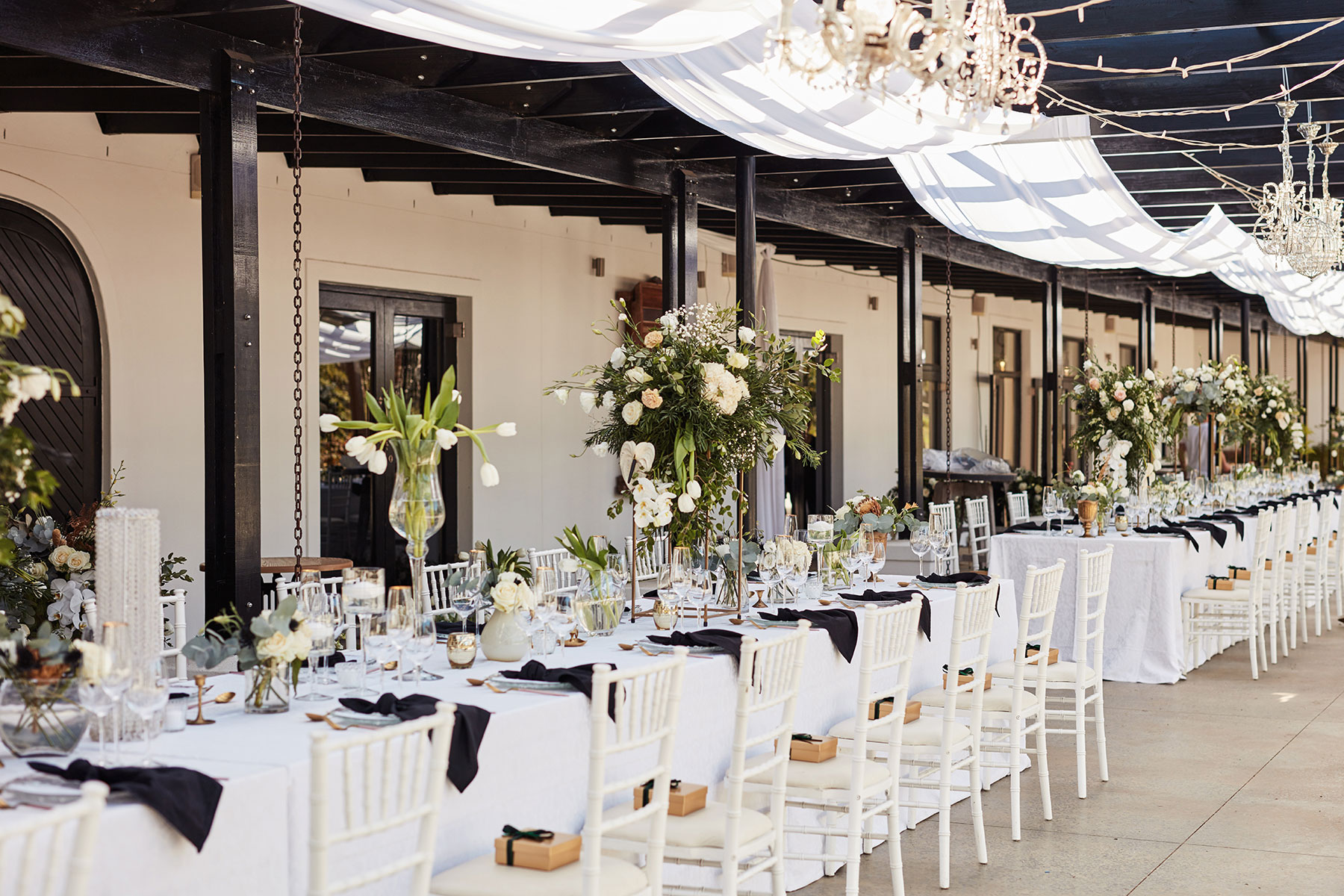
“We got married at a vineyard with a sit-down dinner for 100 guests. We did a plated service with a choice of filet mignon or herb-crusted salmon. Yes, it was expensive—about $180 per person including wine pairings. But the experience was exactly what we wanted. Our guests sat under the stars, enjoyed a four-course meal, and it felt special in a way that matched the beauty of the setting. Worth every penny.”
David & Maria | Savannah, GA | 2024 | Buffet Victory
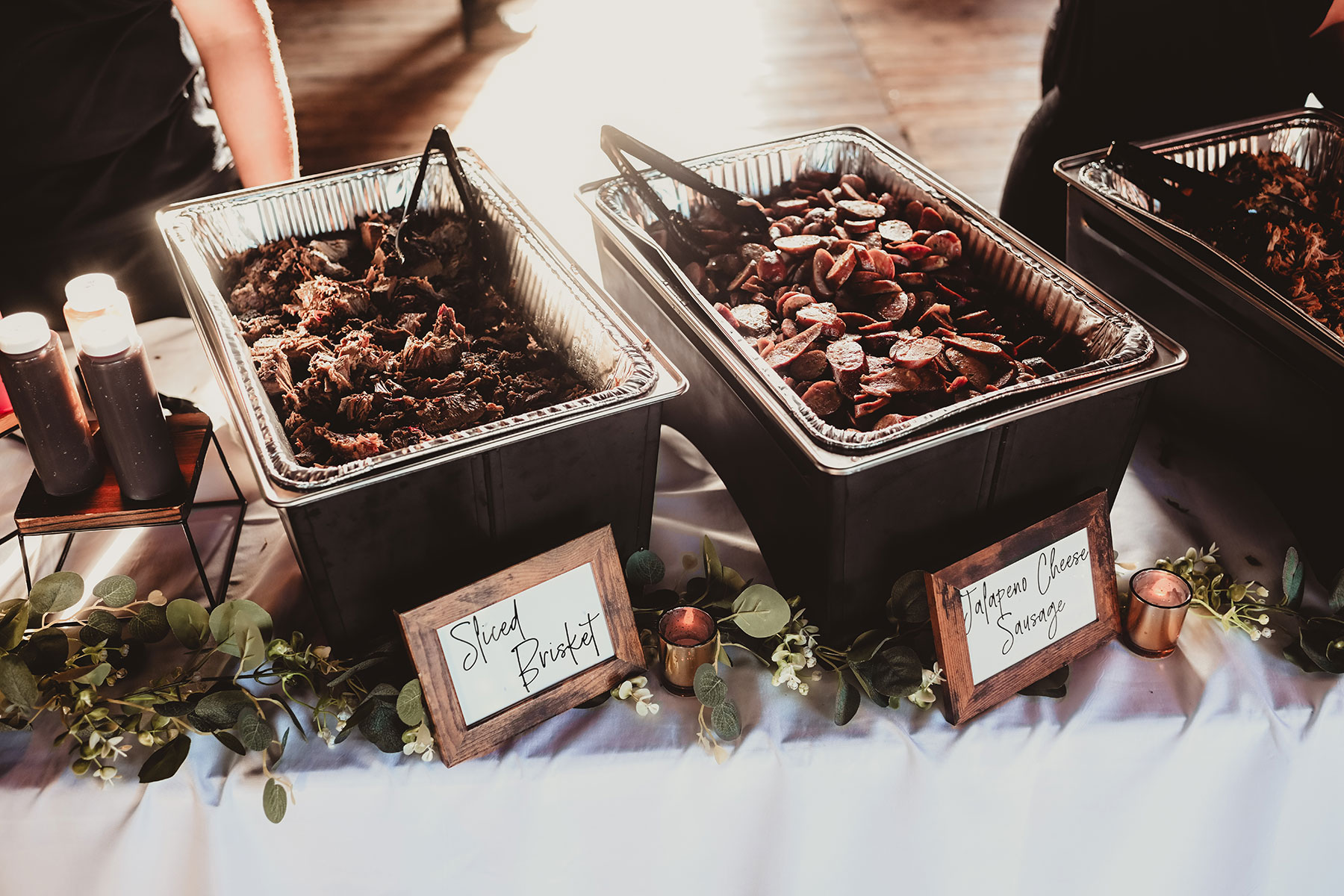
“We’re both from big Southern families where food is love and variety is expected. A plated dinner with one entree choice? That wasn’t going to work. We did a buffet with shrimp and grits, fried chicken, honey-glazed ham, mac and cheese, green beans, biscuits, and three salads. Cost us about $65 per person for 180 guests. People went back for seconds and thirds. Our grandmothers literally hugged our caterer. Best decision we made.”
Emma & Jake | Seattle, WA | 2023 | Food Truck Fun

“We got married in a public park and hired two food trucks—one for gourmet tacos and one for artisan ice cream. The vibe was so us: casual, fun, delicious. Each truck charged $18 per person with unlimited servings, so for 80 guests we spent about $2,900 total on food. We supplemented with appetizers during cocktail hour, but the trucks were the main event. Our friends are still talking about how much fun it was. Zero regrets.”
Sarah & Michael | Boston, MA | 2024 | Combination Approach
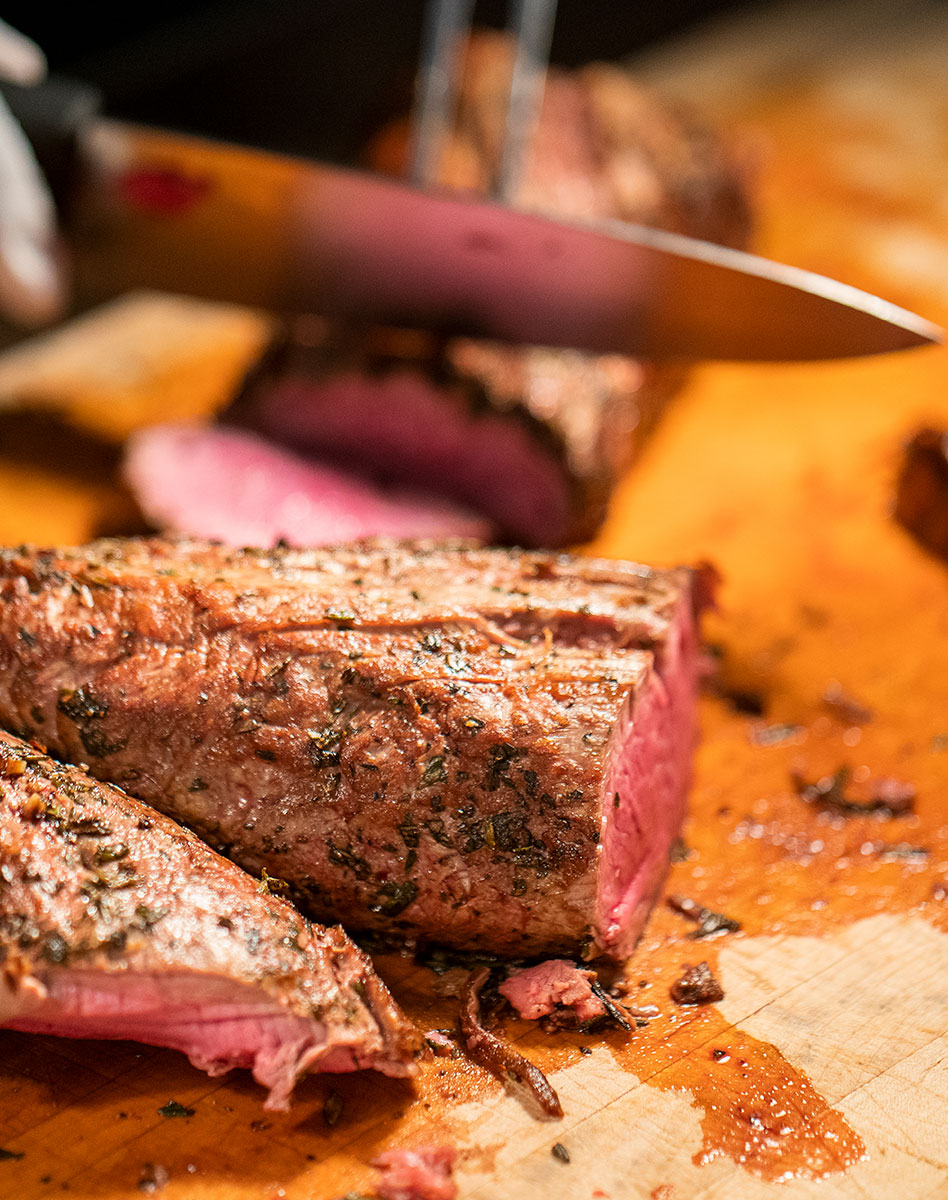

“We couldn’t decide, so we did a hybrid. We served a plated first course and salad, then invited guests to a chef-attended carving station and sides buffet for entrees, then plated dessert. It gave us the elegance of table service with the variety of a buffet. Our caterer called it ‘stations service’ and honestly, it was perfect. Guests loved being able to choose their protein and portions, but we kept the formal feeling we wanted. Cost was somewhere between full plated and full buffet—about $125 per person.”
Middle Ground: Creative Compromises
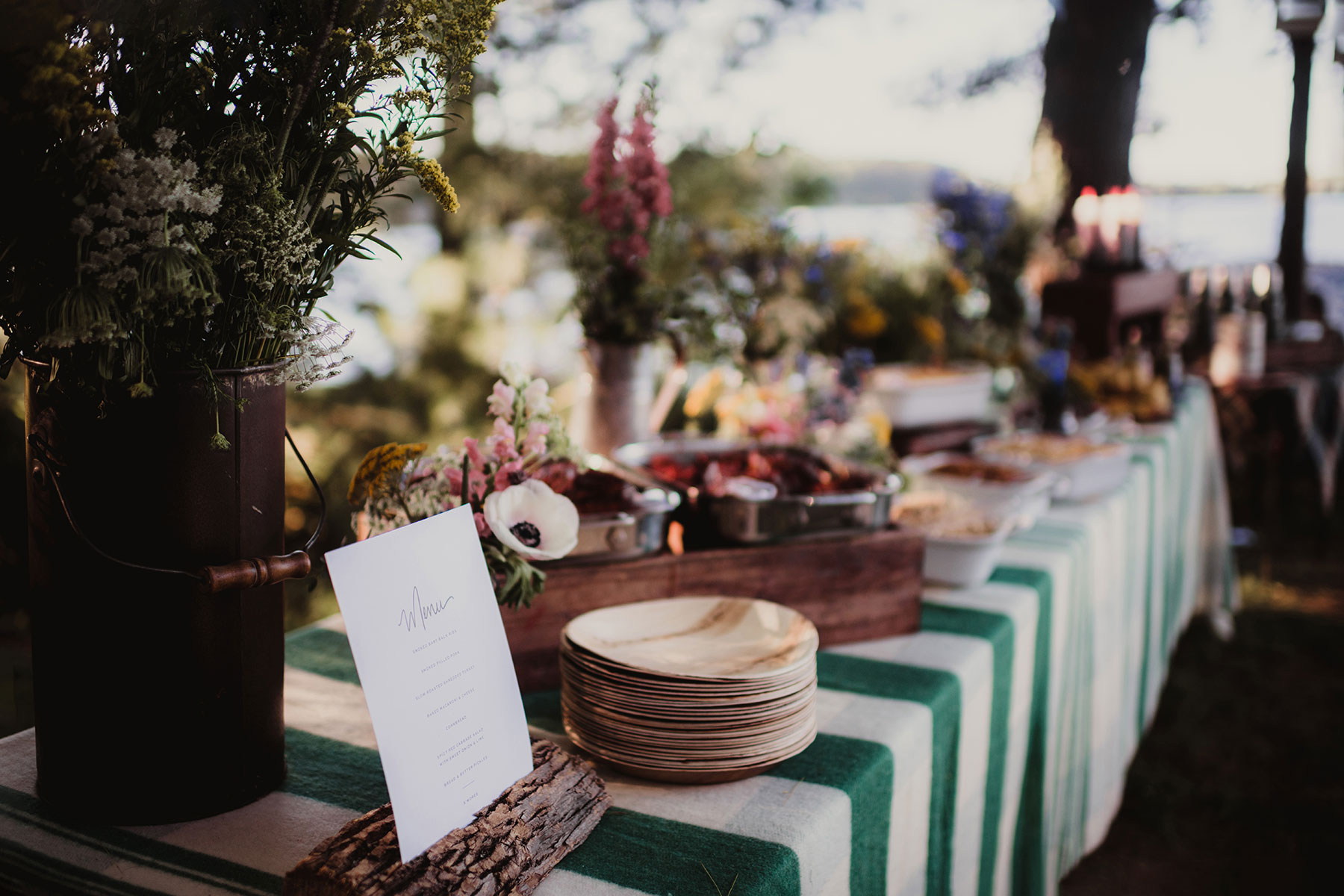
You don’t have to choose just one service style. Here are some combinations couples have successfully used:
Stations service: Like Sarah and Michael, combine plated courses with interactive stations. Plated appetizers and dessert, buffet-style entrees.
Family-style: Large platters served to each table, and guests pass dishes around. It’s communal, encourages conversation, and feels warm and inclusive. Works best for groups under 150.
Multiple small food trucks: Instead of one truck for everyone, hire 3-4 trucks and create a “food truck festival” vibe. Guests can try different cuisines without waiting in long lines.
Late-night food truck: Serve a traditional plated dinner, then bring in a food truck later in the evening for late-night snacks. Best of both worlds.
Cocktail-style reception: Skip the seated dinner entirely. Offer substantial passed appetizers and multiple food stations. Guests graze throughout the evening. Works for shorter receptions or when you want a party atmosphere over a formal meal.
Brunch or lunch wedding: Morning/afternoon receptions often work beautifully with buffets or stations because the vibe is naturally more casual.
The Budget Reality: What Does Each Option Actually Cost?
Let’s break down typical pricing so you can make informed decisions. These are national averages for 2025—your actual costs will vary by region and caterer quality.
PLATED DINNER | 150 guests | Major metro area
- Cost per person: $120-200
- Includes: Multi-course meal, professional service staff, china/glassware
- Staff needed: 1 server per 15-20 guests, plus bartenders, kitchen staff
- Total: $18,000-30,000
Pros: Elegant presentation, controlled timing, dietary needs managed
Cons: Most expensive, least flexibility, pre-selection required
BUFFET DINNER | 150 guests | Major metro area
- Cost per person: $70-120
- Includes: Multiple entrees and sides, serving utensils, chafing dishes
- Staff needed: 1 server per 25-30 guests to replenish, plus bartenders
- Total: $10,500-18,000
Pros: Variety, budget-friendly, seconds available
Cons: Lines, timing challenges, presentation deteriorates
FOOD TRUCKS | 150 guests | Major metro area
- Cost per truck: $2,000-4,000 (usually includes 75-100 servings)
- Number of trucks needed: 2-3 for 150 guests
- Additional costs: Generator rental if no power source ($200-400), permits
- Total: $6,000-12,000
Pros: Fun experience, excellent food quality, memorable
Cons: Weather dependent, venue restrictions, limited to casual events
Example: Same wedding, different service styles
Wedding details: 150 guests, summer evening reception, moderate venue
Plated option: $150/person = $22,500
- Three-course meal: salad, entree (choice of chicken or salmon), dessert
- Professional service staff
- China, glassware, linens
Buffet option: $95/person = $14,250
- Same protein options plus pasta station, three sides, two salads
- Disposable or rental plates
- Self-service with staff to replenish
Food truck option: 3 trucks at $3,500 each = $10,500
- Taco truck, pizza truck, dessert truck
- Guests can sample from multiple trucks
- Casual outdoor service
Budget difference: Plated costs $12,000 more than food trucks—that’s your photographer, your dress, or a honeymoon.
Making Your Decision: Questions to Ask Before You Commit
For plated service:
- Can we afford $120-200 per person for catering?
- Does our venue require this level of formality?
- Are we comfortable with rigid timing and pre-selected meals?
- Do we have enough time before the wedding to collect meal selections?
For buffet service:
- Can our venue accommodate buffet stations (space, layout, flow)?
- Are we okay with guests eating at different times?
- Can we set up multiple stations to minimize lines?
- Will our photographer capture buffet setups before they get messy?
For food trucks:
- Does our venue allow outside food trucks?
- Is there adequate parking, electricity, and level ground?
- What’s our weather backup plan?
- How many trucks do we need to avoid 90-minute wait times?
Frequently Asked Questions
Which service style is most popular? Plated dinners still dominate formal evening receptions (about 60% of weddings), but buffets are increasingly common for casual celebrations. Food trucks remain popular for outdoor and daytime weddings but represent only about 10-15% of receptions.
Can we do a buffet at a fancy venue? Absolutely. “Buffet” doesn’t automatically mean casual. High-end caterers create elegant buffet presentations with chef-attended stations, beautiful displays, and sophisticated menus that rival plated service in quality.
How many food trucks do we actually need? General rule: one truck per 50-75 guests. For 150 guests, plan on 2-3 trucks minimum. Otherwise, you’ll have unacceptably long wait times.
What if someone has a severe food allergy? Plated service makes this easiest—you can prepare specific meals for guests with allergies. With buffets, provide clear labels and keep a few pre-made safe plates in the kitchen. With food trucks, communicate allergies directly to the truck operators in advance.
Do food trucks work for winter weddings? They can, but it’s tough. Cold weather means guests are less willing to stand outside, and some trucks struggle to operate in freezing temperatures. If you love the concept, consider having trucks set up under a tent with heaters nearby.
Is family-style service cheaper than plated? Usually yes, but not by much—maybe 10-15% less. You still need professional servers to deliver platters and explain what’s on the table, but there’s less individual plating work. It’s a nice middle ground.
Can we switch service styles partway through planning? Maybe. If you haven’t signed a catering contract, absolutely. If you’ve already contracted with a caterer, ask about flexibility—but expect potential cost adjustments. The earlier you make changes, the easier it is.
What about cocktail-style receptions with heavy appetizers instead of a sit-down meal? This works beautifully for afternoon weddings, shorter receptions, or when you want a party atmosphere. Budget about $40-60 per person for substantial passed appetizers and stations. Just be clear on invitations about the reception style so guests know what to expect.
The Bottom Line
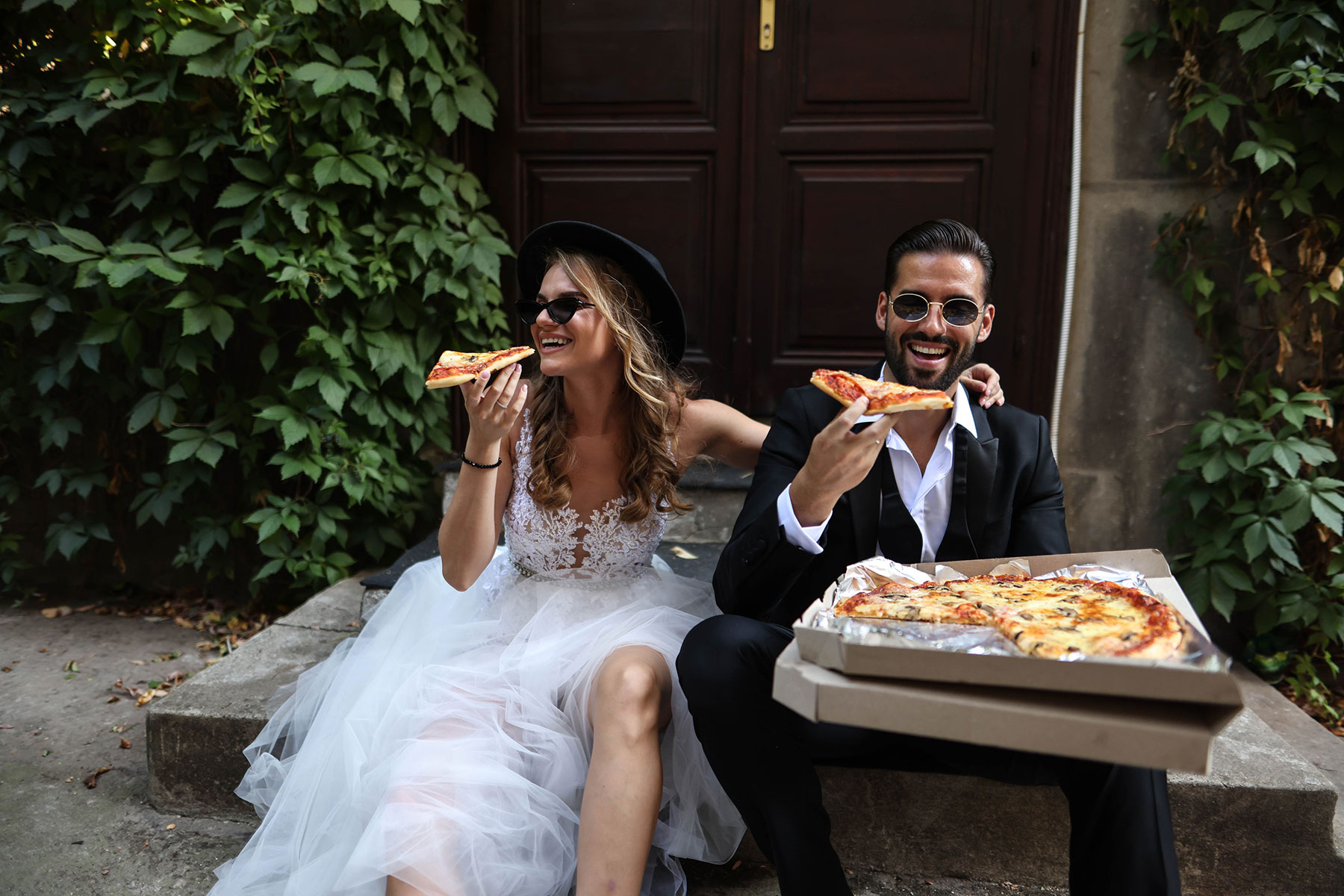
Here’s what experience tells us: the “best” service style is the one that fits your budget, your venue, your guest count, and the experience you actually want to create.
Plated dinners shine when elegance, timing control, and formal atmosphere matter most. Buffets win when you want variety, flexibility, and budget-friendly abundance. Food trucks excel when fun, quality, and memorable experiences trump traditional elegance.
You can’t go wrong if you’re honest about your priorities and realistic about logistics.
Whatever you choose, make sure you’re protecting your investment. Weather can cancel food trucks, vendors can no-show, and unexpected issues can derail even the best-laid plans. Wedsure has been protecting weddings for over 25 years—we’ve seen it all, and we’ve got you covered. Forbes Advisor ranked us #1 for wedding insurance in 2024. Get a quote in minutes and celebrate with confidence, no matter how you’re serving dinner.
Read more from our Wedding Debates series:
- Wedding Debates: The 5 Topics That Split Guest Lists in Half (Intro to the series)
- To Serve or Not To Serve: The Complete Guide to Alcohol at Your Wedding
- Kids at Weddings: The Debate That Divides Families (Literally)
- Assigned Seating vs. Free Seating: Which Is Right for Your Wedding?
- Late-Night Wedding Snacks: Worth It or Wasteful?
Planning your wedding? Wedsure has protected couples’ celebrations for over 25 years. From plated dinners to food truck festivals, we’ve got the coverage you need. Get your personalized quote today.