Part of our Wedding Debates series | Originally published July 2025 | Updated for 2026
Is the open bar still king? Or is 2026 the year of the artisanal mocktail wedding?
Your alcohol strategy isn't just about drinks—it's about budget, values, guest experience, and how you want to feel at the end of the night. It's also one of the most debated decisions in wedding planning, with couples, families, and even guests weighing in with strong opinions.
This guide helps you move from overwhelmed to informed. Whether you're going full celebration or keeping things dry and elegant, here's how to make the right decision for your wedding and execute it beautifully.
Ask Yourself: What Are We Really Trying to Create?
Before choosing your drink plan, ask these clarity questions:
-
What do you want your guests to feel?
- Relaxed and celebratory?
- Safe and grounded?
- Energized and emotionally present?
-
Where is your money better spent?
- Would you rather have an open bar or a live band?
- Custom cocktails or a jaw-dropping venue?
-
How much control do you want over the night?
- Are you OK with some guests getting tipsy or worse?
- Or do you want to stay in full command of the energy?
Your answers shape your bar strategy.
Options on the Table: The 2026 Breakdown

| Option | Estimated Cost (100 guests) | Vibe | Logistics |
|---|---|---|---|
| Full Open Bar | $5,000–$8,000+ | Lavish, all-access | Requires bartenders, liability coverage |
| Wine & Beer Only | $2,500–$4,000 | Classic, controlled | Easier licensing, simplified menu |
| Signature Cocktails Only | $1,500–$3,000 | Personal, trendy | Pre-batched = smoother flow |
| Champagne Toast Only | $500–$1,000 | Symbolic, elegant | Toasts + water and non-alcoholic drinks |
| Dry Wedding w/ Mocktail Bar | $1,000–$2,000 | Curated, elevated | Hire a zero-proof mixologist |
The Case FOR Serving Alcohol at Your Wedding
It Meets Guest Expectations
Most wedding guests expect some form of alcohol at evening receptions. It’s become standard in most regions and demographics. For many, wine or beer with dinner and cocktails during dancing feel like essential celebration elements.
It Creates a Festive, Relaxed Atmosphere
Alcohol can help break the ice and encourages guests—especially those who don’t know each other—to relax, mingle, and enjoy themselves. Many couples note that their receptions “came alive” once the bar opened, with fuller dance floors and more laughter.
It Allows for Personalization
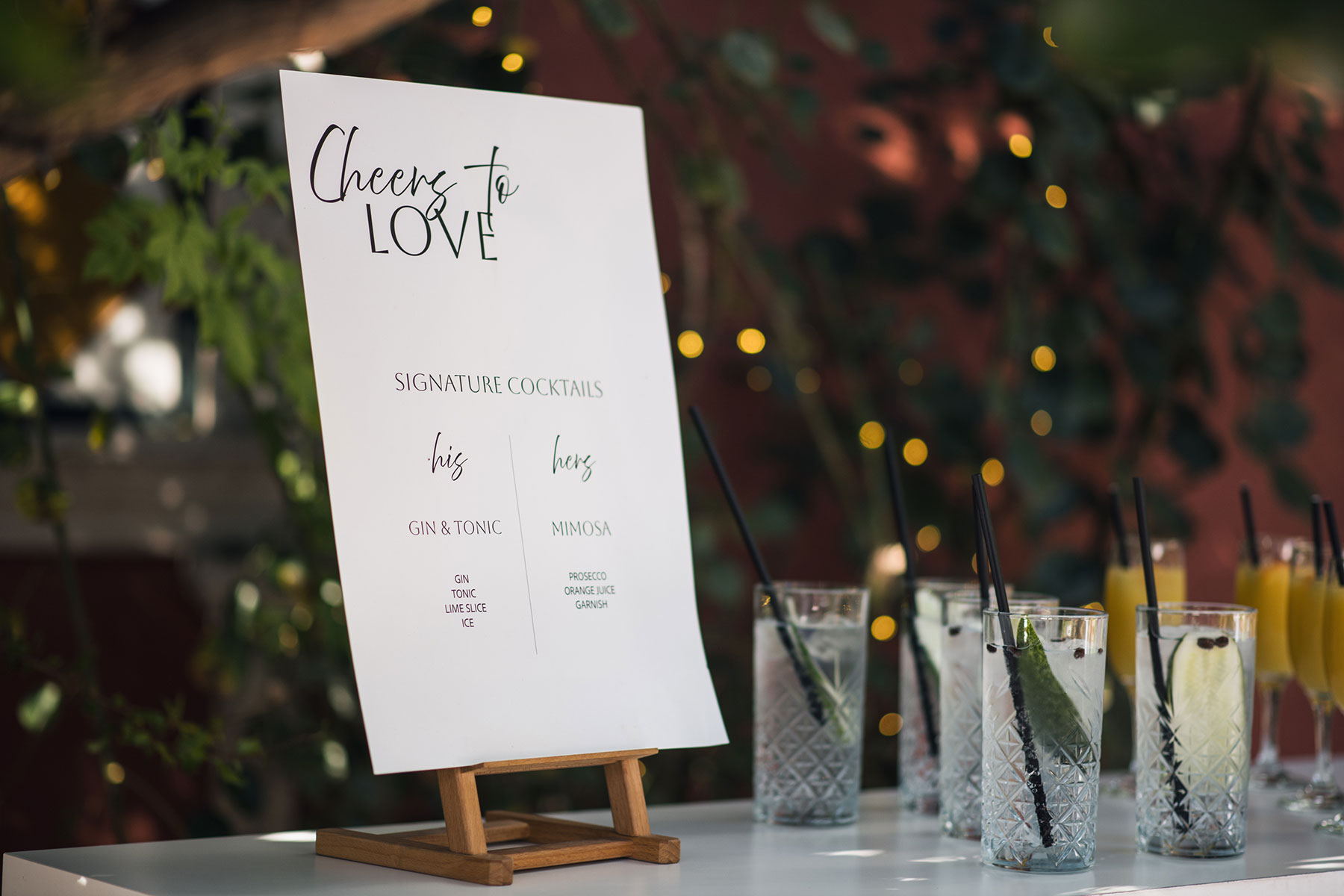
Signature cocktails let you tell your story—the drink from your first date, flavors from your heritage, seasonal ingredients from your location. A carefully curated bar program can be a meaningful expression of who you are as a couple.
It’s Part of Cultural Traditions
For many cultures, toasting with wine or champagne carries deep symbolic meaning. Jewish weddings include wine in the ceremony. Italian, Greek, and European traditions view wine as essential to celebration and hospitality.
The Case AGAINST Serving Alcohol at Your Wedding

The Cost Is Significant
Alcohol can represent 10-20% of your total wedding budget—money that could go toward upgraded photography, a better venue, or even a down payment on a house. For a 150-person wedding, eliminating or reducing bar costs can free up $3,000-8,000+ for elements that matter more to you.
Liability and Safety Concerns Are Real
When you serve alcohol, you assume responsibility for your guests’ safety. If an intoxicated guest drives and causes an accident, you could face legal consequences. Even without worst-case scenarios, drunk guests can create uncomfortable situations that mar your celebration memories.
It May Conflict with Your Values
For couples in recovery, who have lost loved ones to alcohol-related incidents, or whose faith prohibits drinking, serving alcohol at their wedding feels fundamentally wrong. These are deeply personal choices that deserve respect.
It Can Exclude Sober Guests
An alcohol-focused reception can make sober guests—recovering alcoholics, pregnant women, designated drivers, or people who simply don’t drink—feel left out or uncomfortable. Creating an equally fun celebration for everyone can feel more inclusive.
Wedding Couples Share Their Decisions
Jessica and Mark (Pennsylvania, 2024): “We spent $6,500 on an open bar for our 180 guests. Our reception went until 1 AM with people dancing the entire time. My college friends still talk about it being the most fun wedding they’ve attended. For us, that energy was worth every penny.”
Amira and James (Virginia, 2025): “Alcohol has never been part of our lives, so we knew from day one we’d have a dry wedding. We hired a mocktail specialist for $1,200 and created a beautiful beverage station with creative zero-proof cocktails. Not a single guest complained—many said they appreciated driving home safely and waking up without hangovers for our next-day brunch.”
Tyler and Brittany (Maryland, 2025): “We did wine and beer only instead of a full open bar and saved almost $3,000. That money went toward extending our photographer’s coverage. Honestly, I don’t think a single guest noticed we didn’t have liquor—the party was still great.”
Rachel (New Jersey, 2024): “I’m five years sober, and I was terrified to have a dry wedding. We compromised with a champagne toast only. People still danced and celebrated with us. The wedding ended at 10 PM instead of midnight, but everyone remembered every moment clearly.”
Guest Perspective: What Do Guests Really Think?
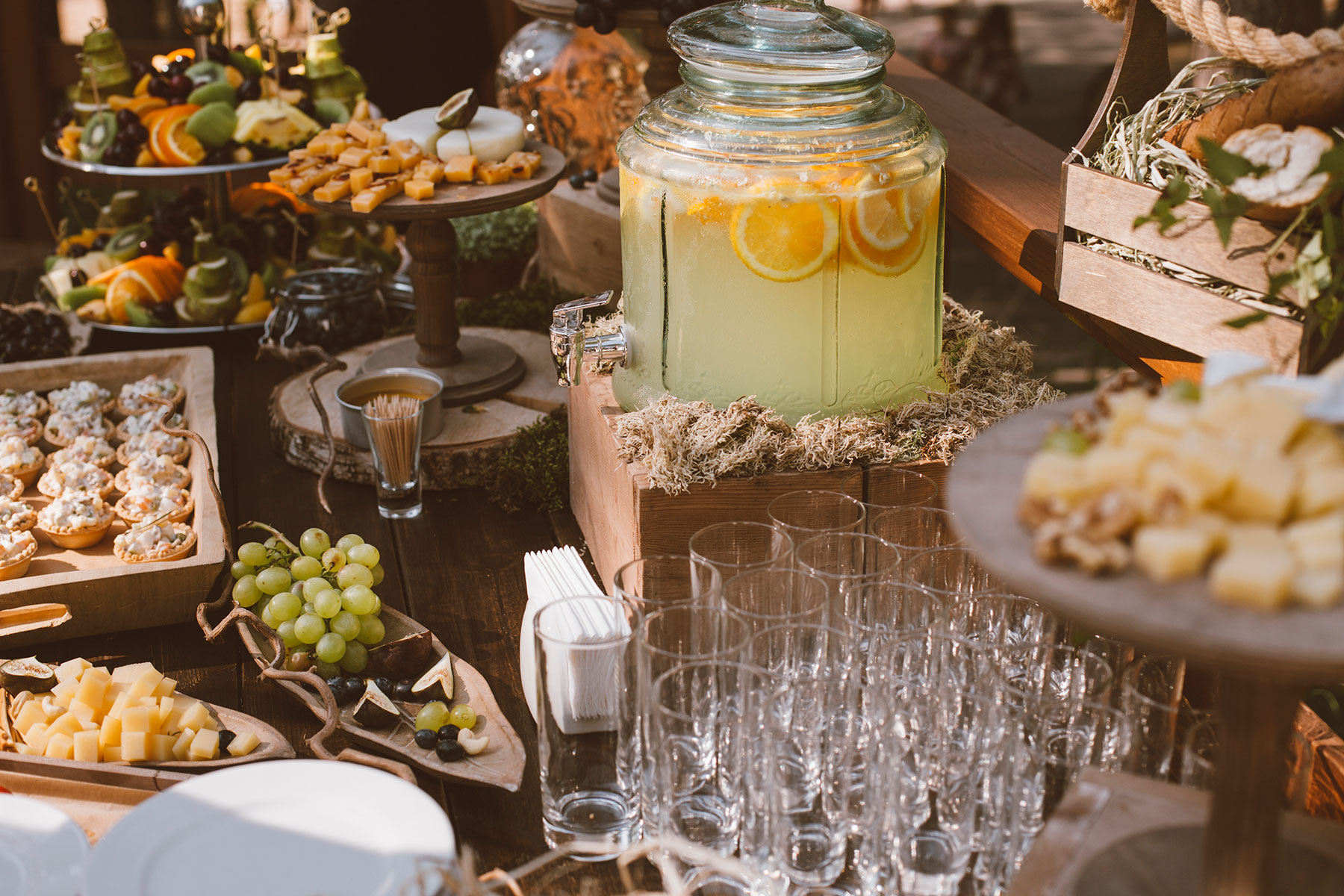
Understanding what your guests actually expect and care about can help you make confident decisions about your bar service.
What Guests Say They Expect
Evening receptions (6 PM or later): 78% of guests expect some form of alcohol
Afternoon receptions (2-5 PM): 45% expect alcohol
Morning/brunch receptions (before 1 PM): 23% expect alcohol
By age group:
- Ages 21-35: 82% expect alcohol at evening weddings
- Ages 36-50: 71% expect alcohol at evening weddings
- Ages 51+: 58% expect alcohol at evening weddings
What Guests Actually Care About Most
When asked what matters more than having alcohol available, guests ranked:
- Good food (92% said this matters more)
- Comfortable seating and climate control (87%)
- Good music/entertainment (84%)
- Reasonable timeline/not too long (79%)
- Sufficient non-alcoholic drink options (76%)
- Having alcohol available (ranked 6th)
The takeaway: Most guests care far more about other aspects of your wedding than whether alcohol is served. If you have good food, entertainment, and hospitality, the absence of alcohol won’t ruin anyone’s experience.
What Sober Guests Wish Couples Knew
“I’m in recovery, and I love when couples offer thoughtful non-alcoholic options that aren’t just soda. It makes me feel included rather than like an afterthought.”
“As a pregnant bridesmaid, I appreciated when the bride created a ‘mocktail’ version of the signature cocktail so I could still participate in toasts without feeling left out.”
“I don’t drink for personal reasons, and I get tired of explaining why at every wedding. When there are good non-alcoholic options available, I don’t have to justify my choices to strangers.”
What Guests Appreciate Most
Clear communication: Letting guests know in advance if the wedding is dry so they can adjust expectations
Quality over quantity: A well-curated limited bar beats a mediocre open bar
Inclusive options: Premium non-alcoholic beverages for those who don’t drink
Safety considerations: Shuttles, ride credits, or room blocks when alcohol is served
Not over-serving: Bartenders who pace service and cut people off when needed
Hidden Costs to Consider

When planning your beverage budget, don’t forget these often-overlooked expenses:
- Bartender Fees: $200-400 per bartender for 4-5 hours (need 1 per 75-100 guests)
- Bar Equipment Rentals: Glassware ($1-3 per glass), ice ($50-150), coolers, garnish stations ($100-300)
- Service Fees: Corkage fees ($10-40 per bottle), bar service charges (20-25% on top of alcohol costs)
- Waste: Industry rule is 1 drink per guest per hour for first 2 hours, then 0.5 per hour. Many couples over-order and can’t return opened bottles.
A Note on Insurance: Don’t Skip This Part
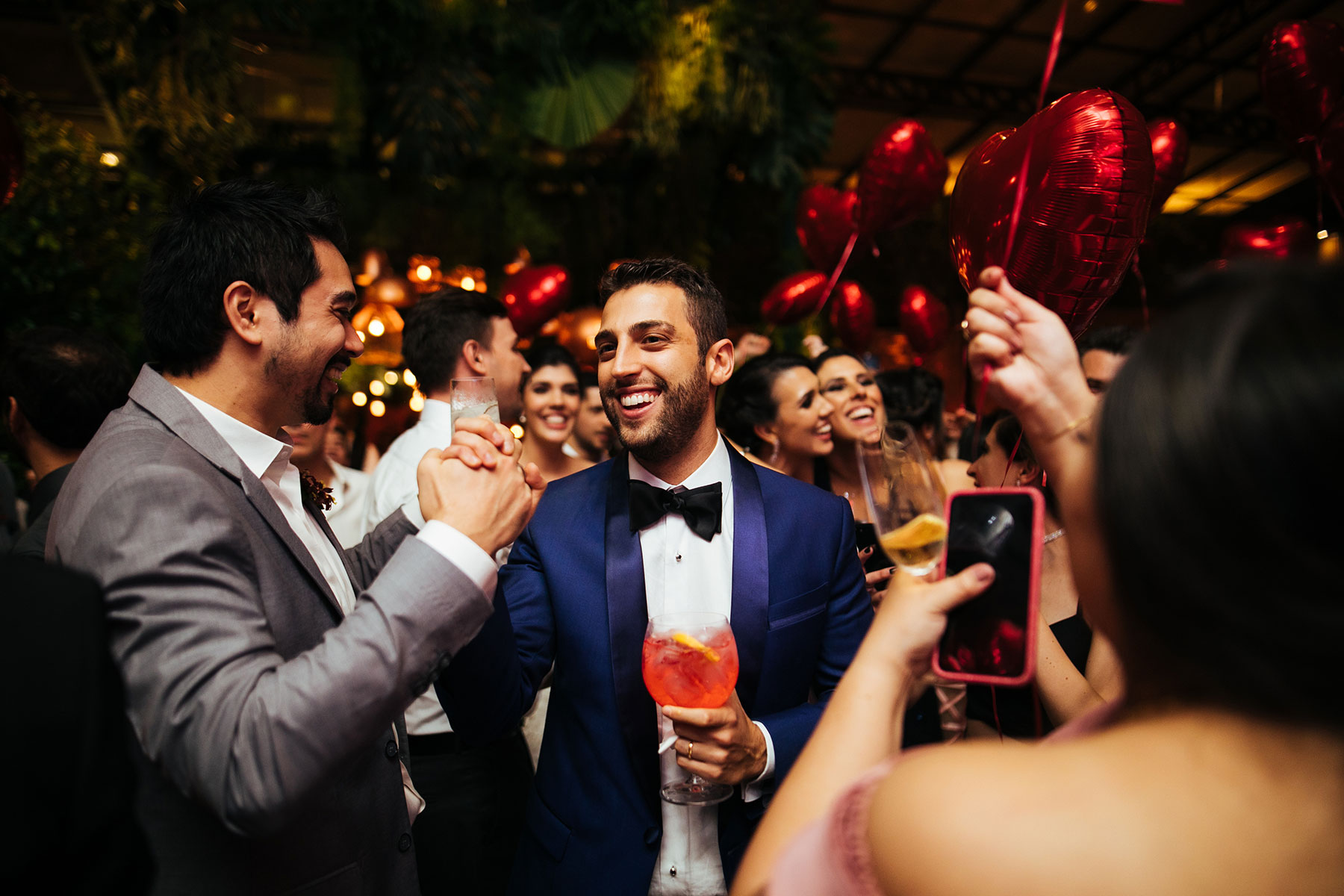
If you’re serving alcohol in any form, your venue will likely require host liquor liability coverage. Even if they don’t, it’s essential protection. You’re responsible if something goes wrong.
What Host Liquor Liability Covers:
- Bodily injury caused by an intoxicated guest
- Property damage caused by an intoxicated guest
- Legal defense costs if you’re sued
- Medical expenses for injured parties
Real-World Example: A guest leaves your reception intoxicated, causes a car accident, and injures another driver. Without host liquor liability insurance, you could be held personally responsible for medical bills, vehicle damage, and legal fees—potentially hundreds of thousands of dollars.
The good news? Wedsure includes host liquor liability free with every wedding liability policy—no additional charge for this critical coverage. Get fast quotes and instant proof of insurance that venues accept.
How to Execute Each Plan Beautifully
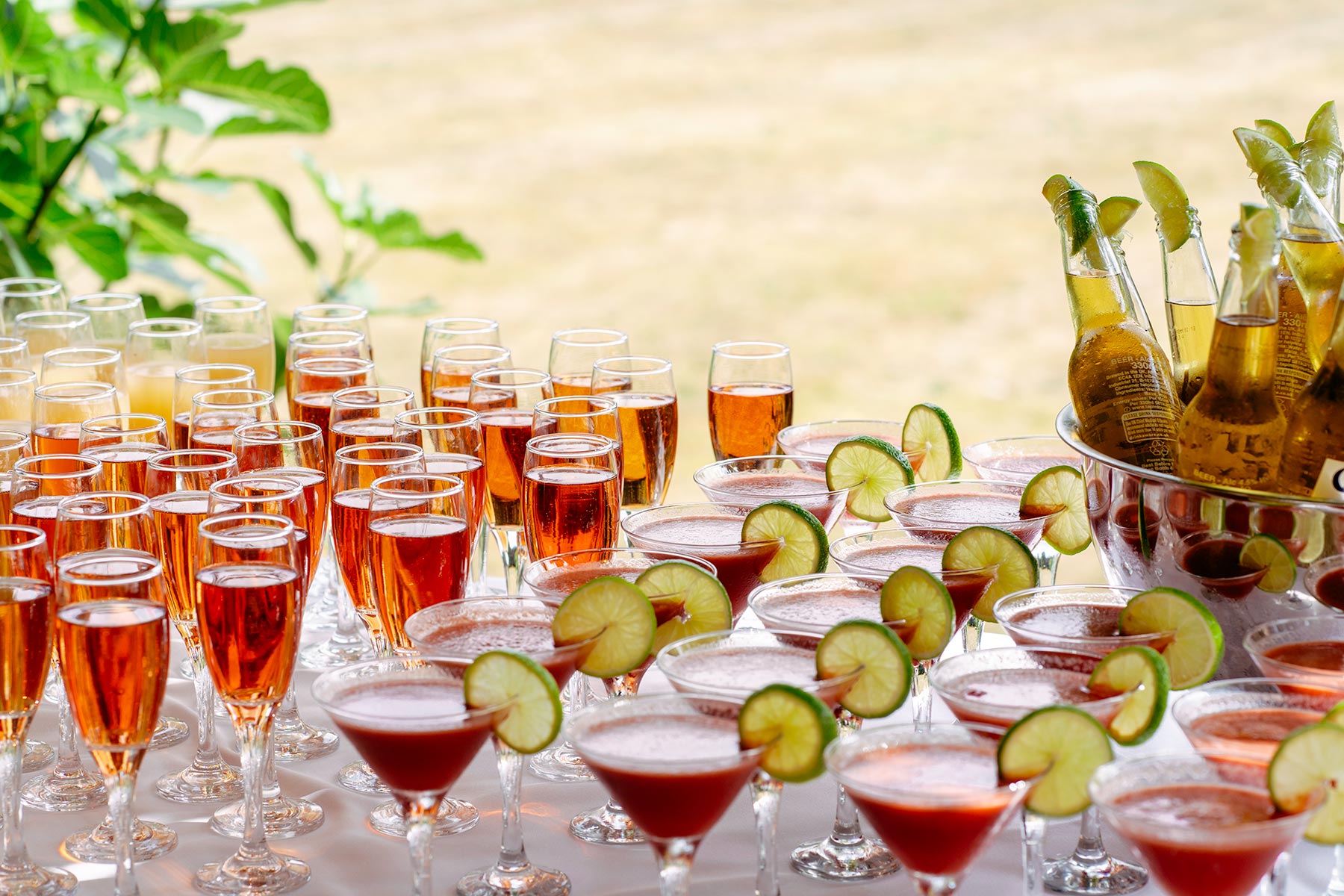
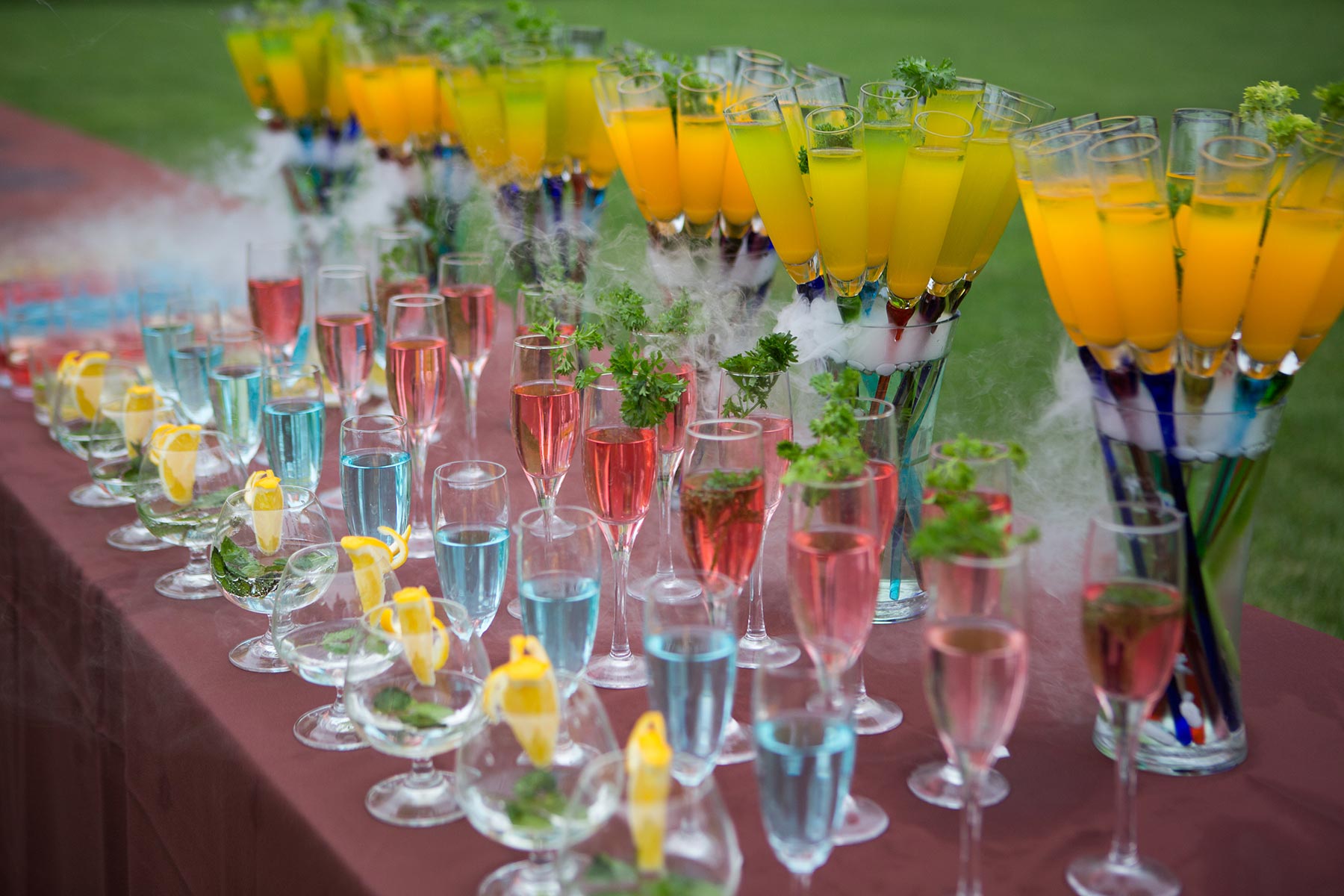
Open Bar
- Pair with a strong, experienced bartending team
- Offer a printed drink menu to avoid decision fatigue
- Limit shots and high-ABV cocktails to reduce risk
- Close the bar 30-60 minutes before reception ends
- Arrange safe transportation (shuttles, ride credits, room blocks)
Wine, Beer + Signature Cocktail
- Choose one drink per partner with personal flair and creative names
- Use seasonal garnishes and custom presentation
- Batch cocktails ahead for efficiency
- Select wines that pair with your dinner menu
Champagne Toast Only
- Time it with speeches or the start of dinner
- Use coupe glasses for retro elegance
- Offer sparkling alternatives for non-drinkers
- Calculate 4-6 oz per guest (one bottle serves about 6 glasses)
Dry Wedding with Mocktails
- Hire a zero-proof mixologist (ask to taste their menu)
- Use premium NA spirits (Seedlip, Ghia, Monday Gin)
- Go heavy on aesthetics: smoke, herbs, edible florals
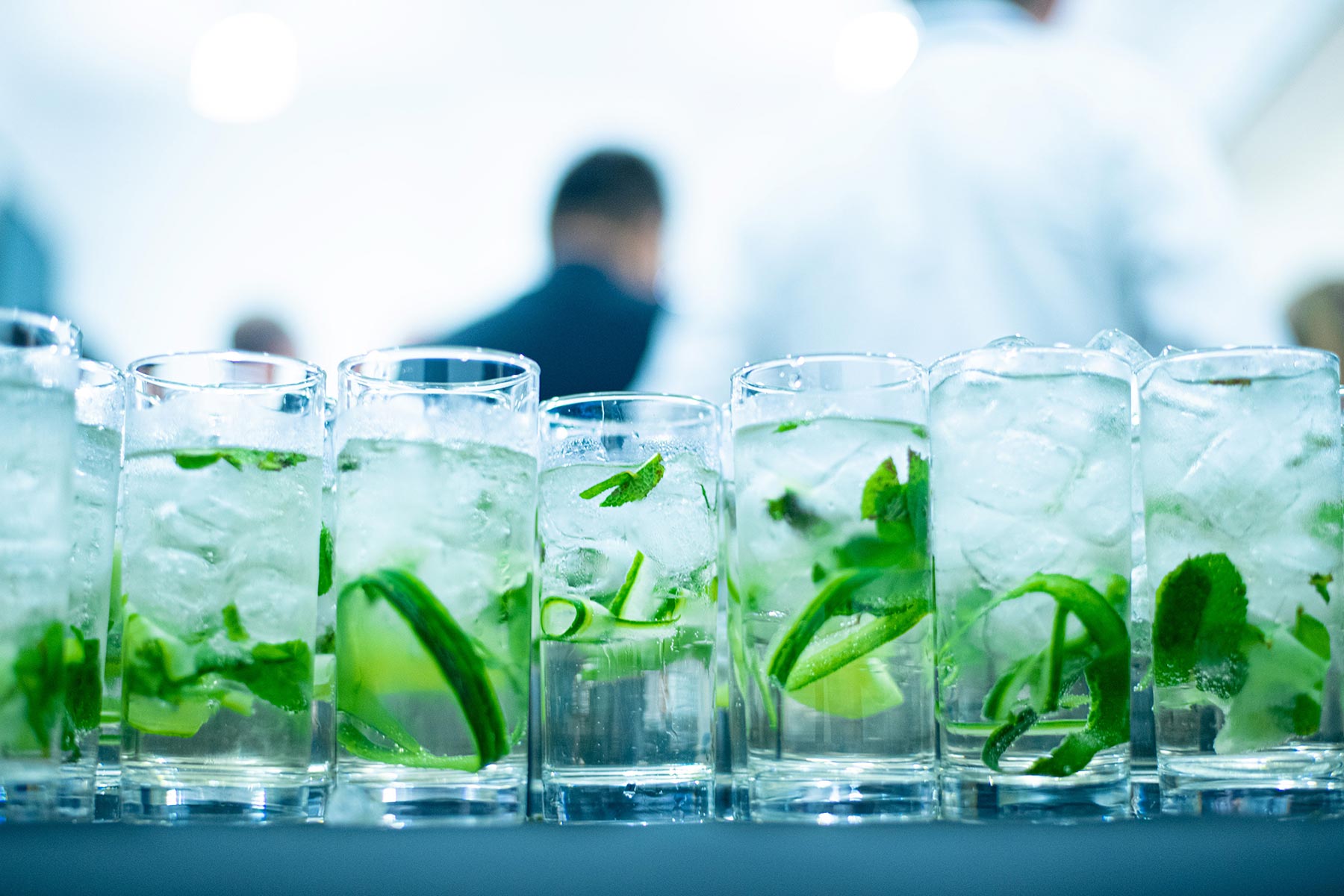
- Set up a water bar with infused options (cucumber mint, rose citrus)
- Offer specialty coffee drinks for energy
Picture This: Possible Themes to Match Your Beverage Plan
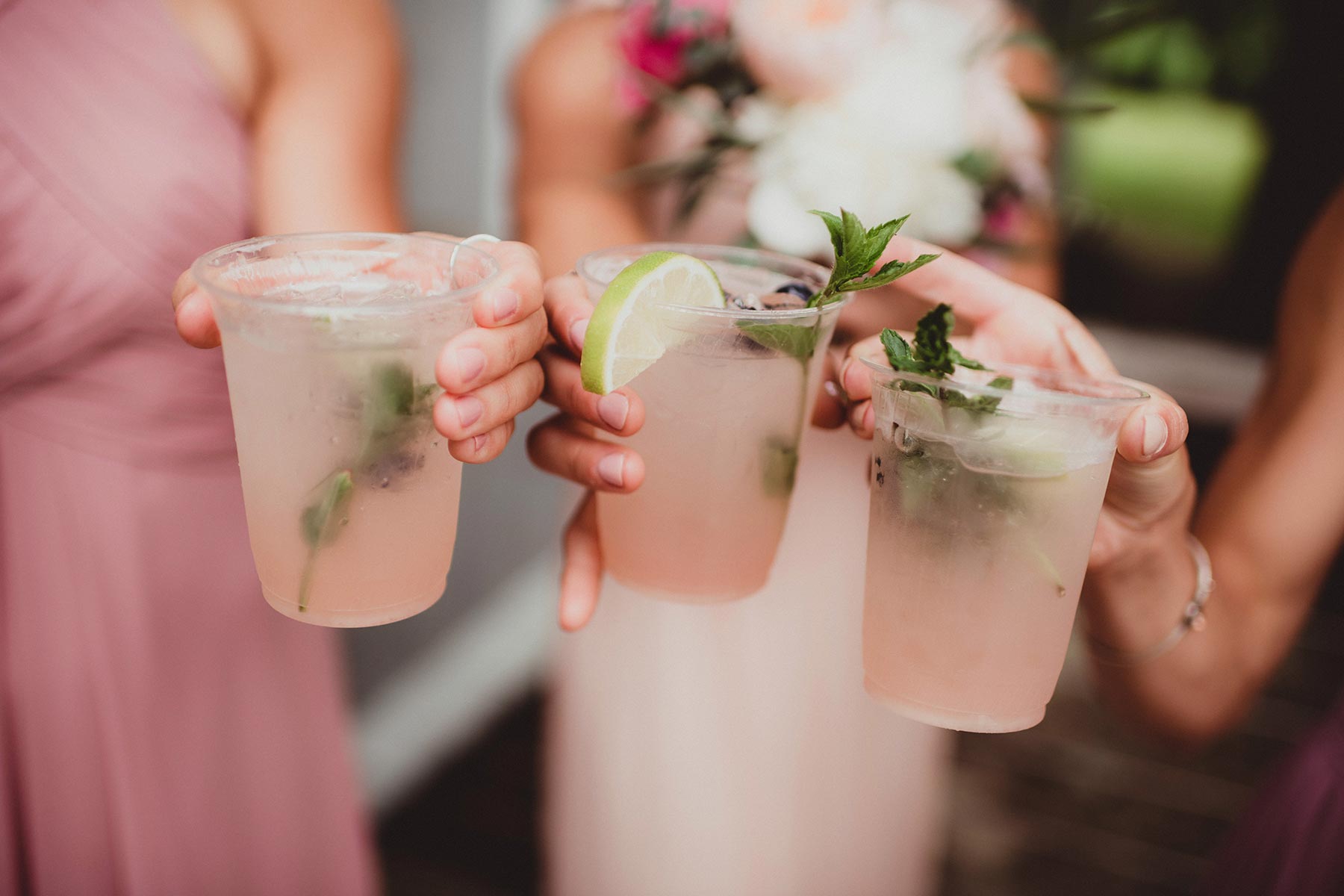
The Garden Gathering
Mocktail Wedding with Botanical Cocktails
Guests sip cucumber-lavender spritzers while lounging in linen-covered chairs beneath string lights. A floral cart rolls through the lawn offering rosewater tonics with edible blooms. The energy: bright, fresh, and fully present.
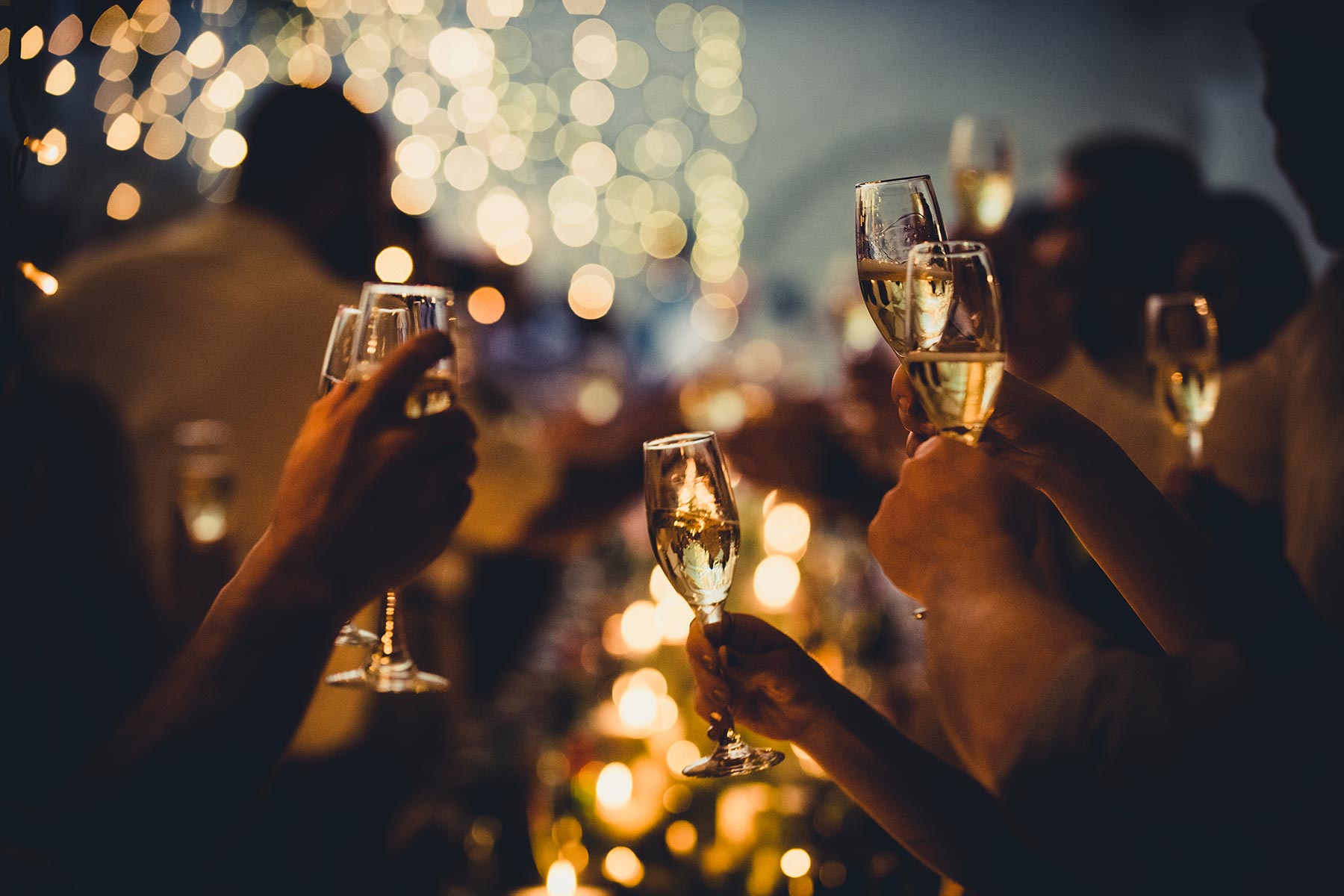
The Noir Night
Champagne Toast Only + Jazz Vibes
The ceremony ends. Glasses of brut champagne appear as a 3-piece band starts up. Guests toast during golden hour and settle into candlelit tables. No bar, no pressure, just slow-burn celebration.

The Creative Clubhouse
Wine + Signature Cocktail + Vinyl DJ
You serve your go-to mezcal hibiscus cocktail alongside natural wines and two rotating beers. Guests lounge on velvet couches between dancing and photo booth snapshots. Everything feels curated, not generic.
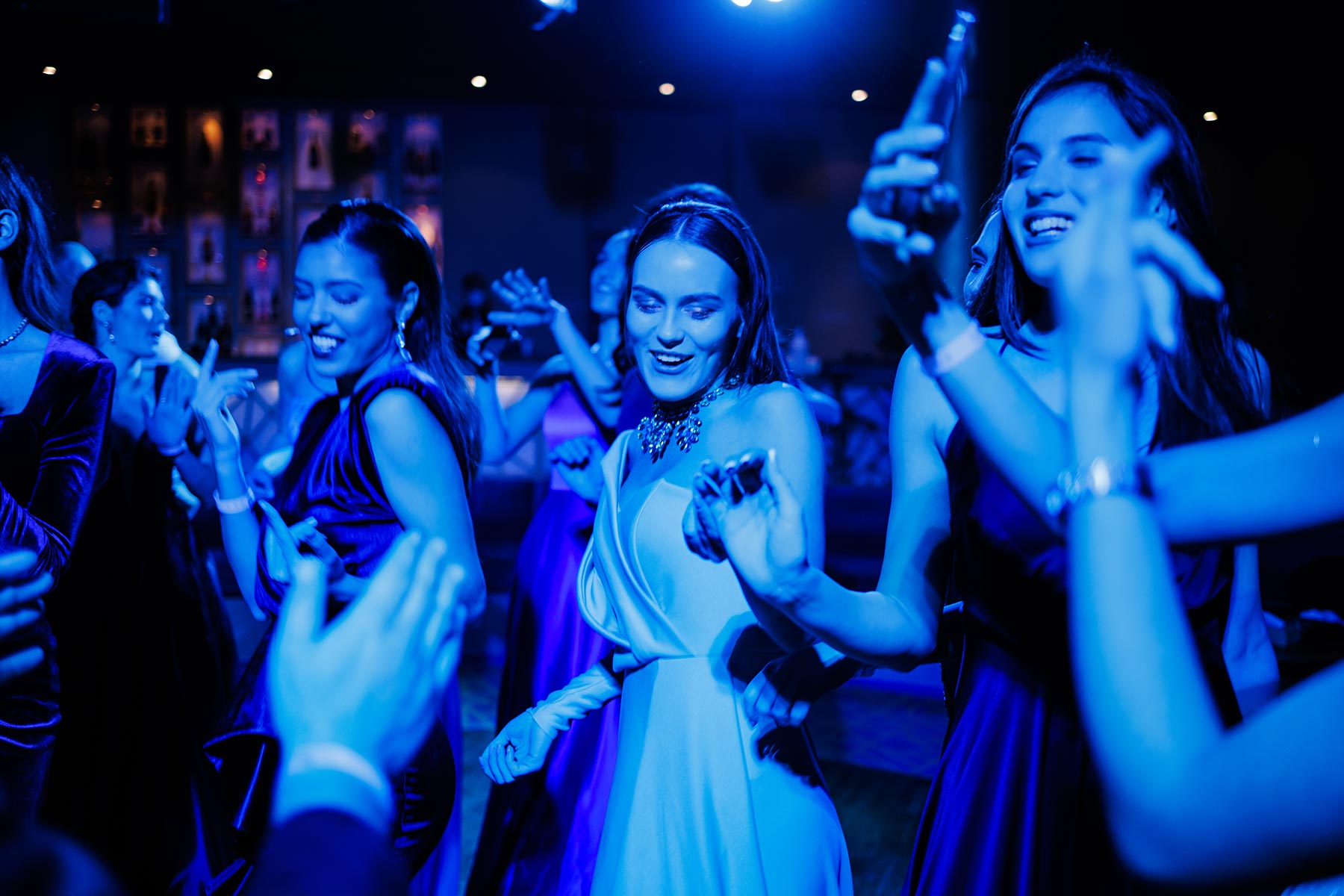
The Full Party
Open Bar, Late-Night Espresso, and Fire Pit S’mores
This is your high-energy, all-in celebration, a full-spectrum party from first pour to last toast. Signature cocktails kick off the night, followed by open bar options, followed by espresso martinis for the 10 PM second wind. End the night around a fire pit with Irish coffee and s’mores.
Frequently Asked Questions
Can we provide our own alcohol?
Often yes, but check your venue’s policies. You may need a licensed bartender even for BYO, and venues typically charge corkage fees ($10-40 per bottle). Confirm licensing requirements and insurance coverage needed.
What if only some guests drink?
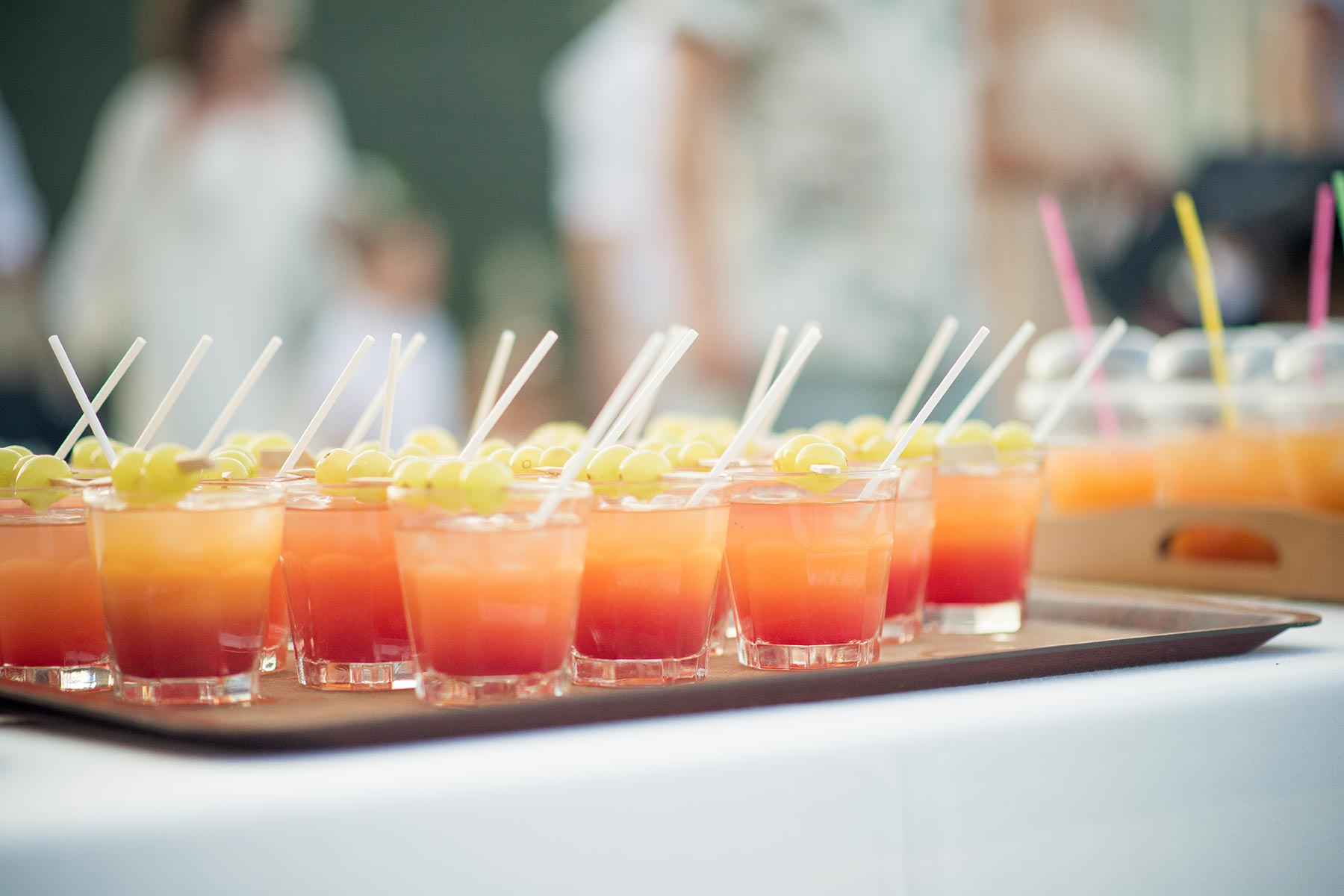
This is very common—typically 70-80% of guests will drink alcohol. Offer elevated non-alcoholic options so everyone feels included. Premium sparkling water with fresh fruit, house-made lemonade, or mocktails with real ingredients make non-drinkers feel valued.
Does alcohol increase our insurance premium?
Not with Wedsure. Host liquor liability is included with Wedsure Wedding Liability.
What do we tell guests if we’re going dry?
Say it with confidence on your invite or website: “We’ll be serving a curated menu of non-alcoholic beverages designed by our mixologist. Come ready to sip something surprising.” Or: “In honor of [family member]’s recovery journey, we’ve chosen to celebrate with a dry wedding featuring amazing mocktails and specialty coffee.”
How much alcohol do we actually need?
Use these guidelines for a 4-hour reception:
- Beer: 40% of guests × 3-4 beers per person
- Wine: 60% of guests × 2-3 glasses (5 glasses per bottle)
- Spirits: 20% of guests × 2-3 drinks (1.5 oz per drink)
Most couples over-order. Calculate conservatively to avoid waste.
Should we have a champagne toast even if we’re not serving other alcohol?
Absolutely, if you want to! A champagne toast can be a beautiful standalone tradition. Just offer sparkling cider or juice alternatives so everyone can participate.
Final Take: Making Your Decision with Confidence
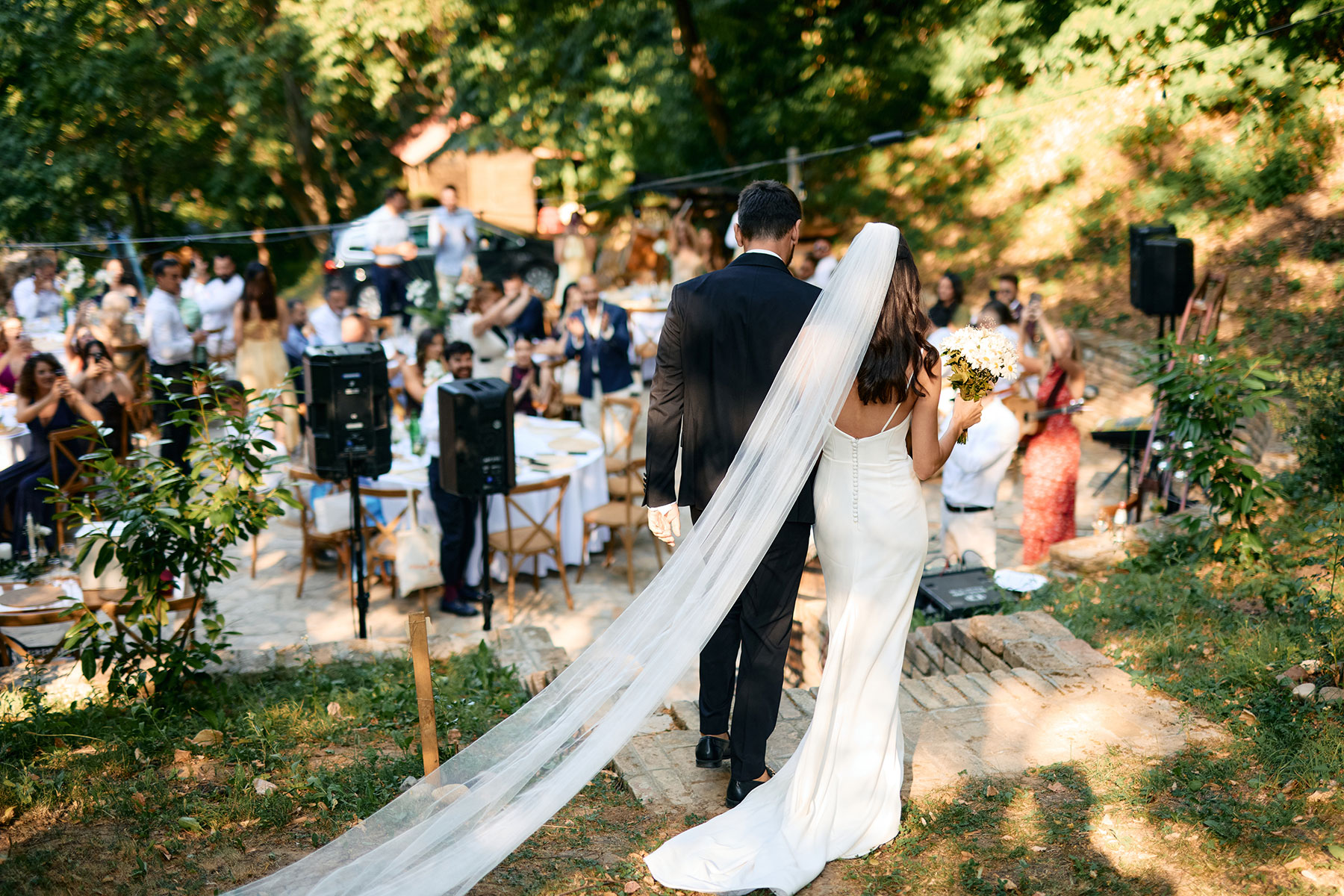
Whether you go all in with a premium open bar, choose a thoughtful middle ground, or celebrate completely dry, the goal is the same: a celebration that feels authentic to you.
The “right” answer depends on your unique circumstances: your budget and priorities, your personal relationship with alcohol, your guest list demographics, your cultural and religious background, and your values around safety and inclusivity.
Trust your instincts. If you’re uncomfortable with an alcohol-focused celebration, honor that feeling. If you love craft cocktails and want to share that passion, lean into it.
Don’t let others guilt you. Family and friends may have strong opinions, but ultimately this decision is yours. You’re hosting the celebration, and you define what hospitality means to you.
Focus on overall experience. Guests will remember the atmosphere, the food, the music, and how welcomed they felt far more than the specifics of your bar menu.
And However You Pour It, Make Sure It’s Protected
No matter what beverage approach you choose, wedding insurance gives you peace of mind. Wedsure offers comprehensive wedding liability policies that include host liquor liability coverage—with fast quotes, instant proof of insurance, and coverage that venues accept.
Explore More Wedding Debates
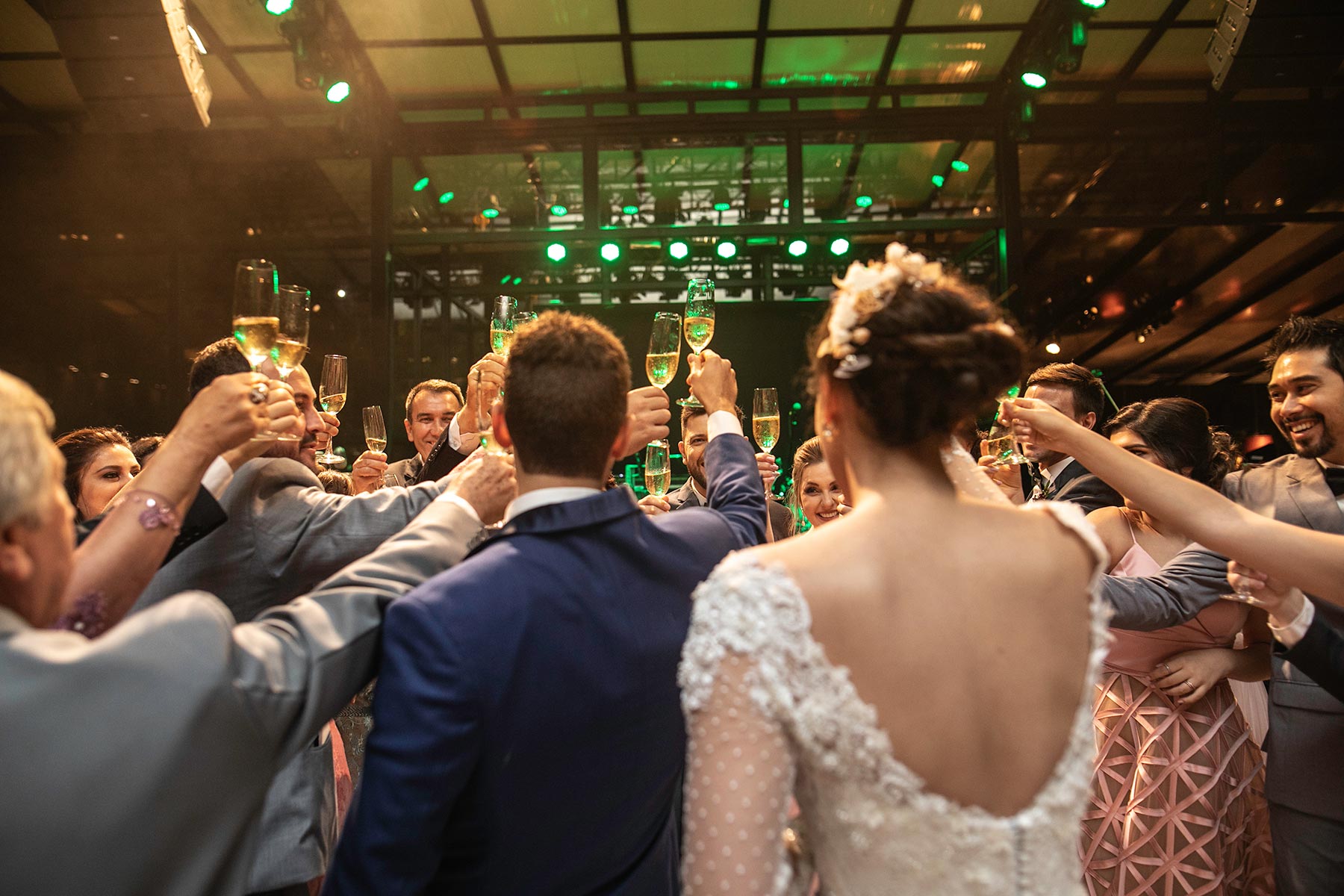
This article is part of our comprehensive Wedding Debates series, where we dive deep into the topics that split couples and guests down the middle. Check out the other debates we’re covering:
- Wedding Debates: The 5 Topics That Split Guest Lists in Half (series introduction)
- Late-Night Wedding Snacks: Worth it or Wasteful? (complete guide)
- Kids at Weddings: The Debate That Divides Families (Literally)
- Buffet vs. Plated vs. Food Trucks (coming December 5, 2025)
- Assigned Seating vs. Free Seating (coming December 19, 2025)
Each guide provides real-world advice, budget breakdowns, and expert recommendations to help you make confident decisions for your big day.
Have you made your decision about alcohol at your wedding? What factors mattered most to you? Connect on Instagram or Facebook to share your experience or questions.