The Midwest gets a bad reputation for being flat, predictable, and beige. That reputation falls apart the moment you start looking at actual wedding venues in the region. Between the Great Lakes and the Badlands, you'll find island ceremonies with no cars allowed, wine country that rivals Napa's output, and limestone bluffs that photograph better than most coastal cliffs.
These aren't your standard hotel ballroom options. These are destinations that give your guests something to remember beyond the reception playlist.
Medora, North Dakota: Badlands Without the Crowds

Medora sits at the edge of Theodore Roosevelt National Park, which means your ceremony backdrop includes canyon formations, wild horses, and geological drama that looks nothing like the rest of the Midwest. The town leans into its Old West roots without crossing into theme park territory. You’ll find lodges with floor-to-ceiling windows framing buttes, hilltop ceremony sites where the landscape does all the decorating work, and venues that understand the difference between rustic and refined.
This is destination wedding territory. Your guests will drive farther than they would for a standard city celebration, but they’ll also remember the location as much as the event itself. The trade-off works if you want outdoor beauty that can’t be replicated with a Pinterest board and if you’re comfortable explaining to vendors that yes, people actually do travel to western North Dakota for weddings.
View more about North Dakota Weddings
Mackinac Island, Michigan: Victorian Elegance, Zero Cars
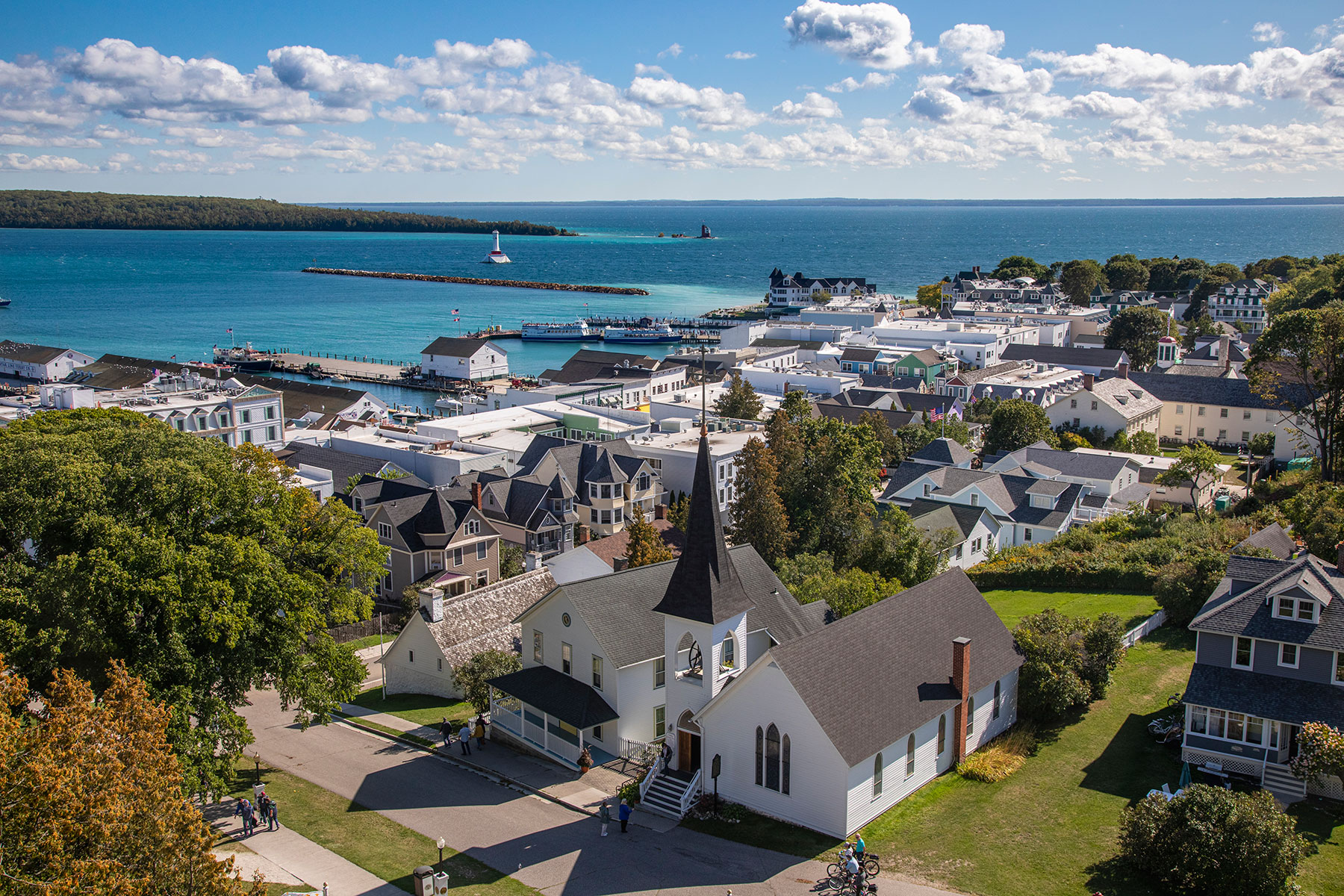
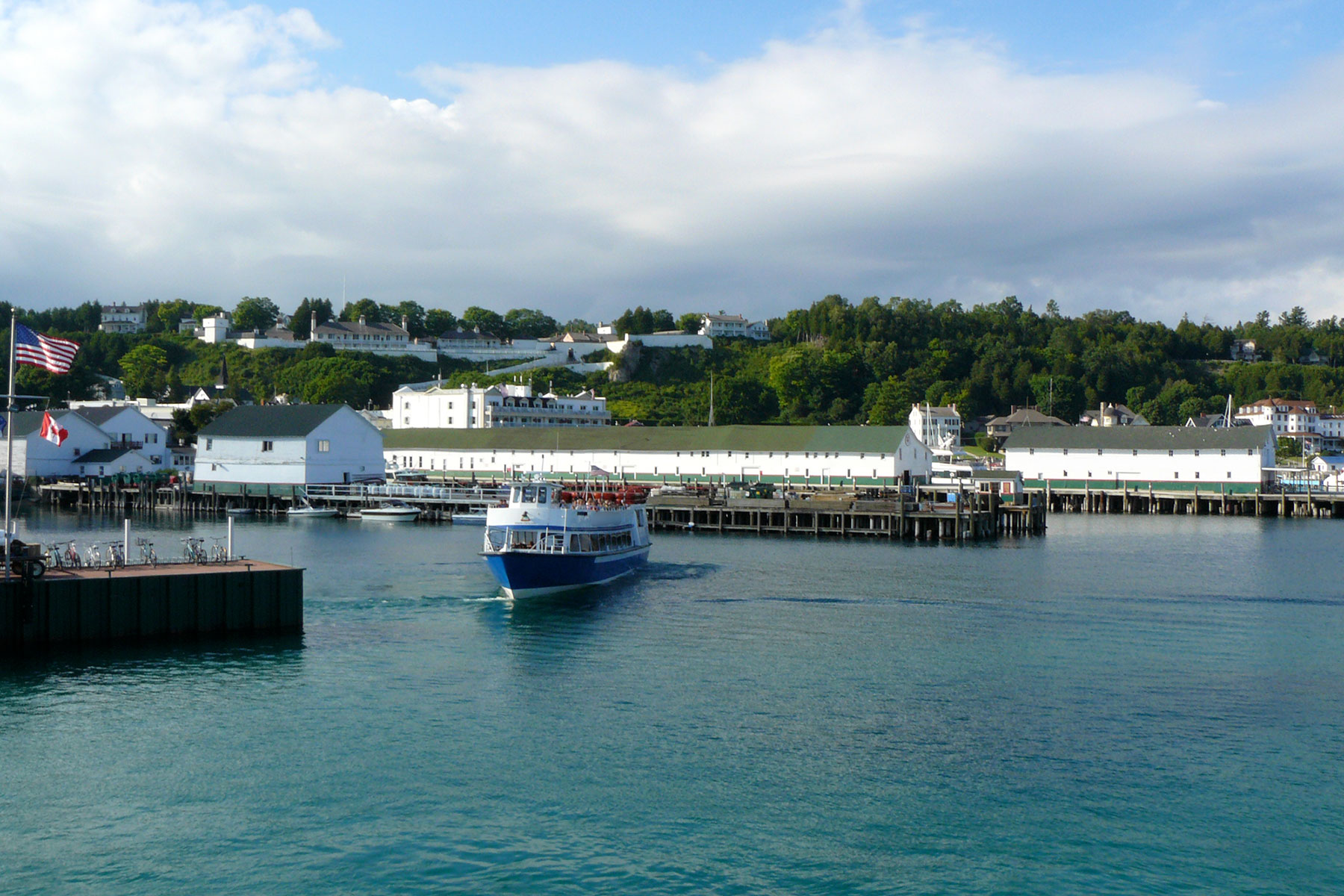
Mackinac Island banned cars in 1898, which means your wedding weekend runs on horse-drawn carriages, bicycles, and walking. That constraint creates an atmosphere you can’t manufacture anywhere else. The Grand Hotel, with its 660-foot porch, has hosted weddings since 1887. Fort Mackinac offers ceremony sites with views of the Straits of Mackinac. Downtown venues sit in Victorian buildings that haven’t been over-renovated into blandness.
The island works best for couples willing to plan logistics carefully. Your guests ferry over from the mainland. Your vendors need to coordinate transportation for equipment. Your timeline accounts for the fact that nothing moves quickly when horses are involved. But if you want a wedding that feels removed from normal life, Mackinac delivers that without requiring international travel.
View more about Michigan Weddings
Galena, Illinois: Historic Mining Town Frozen in the 1850s
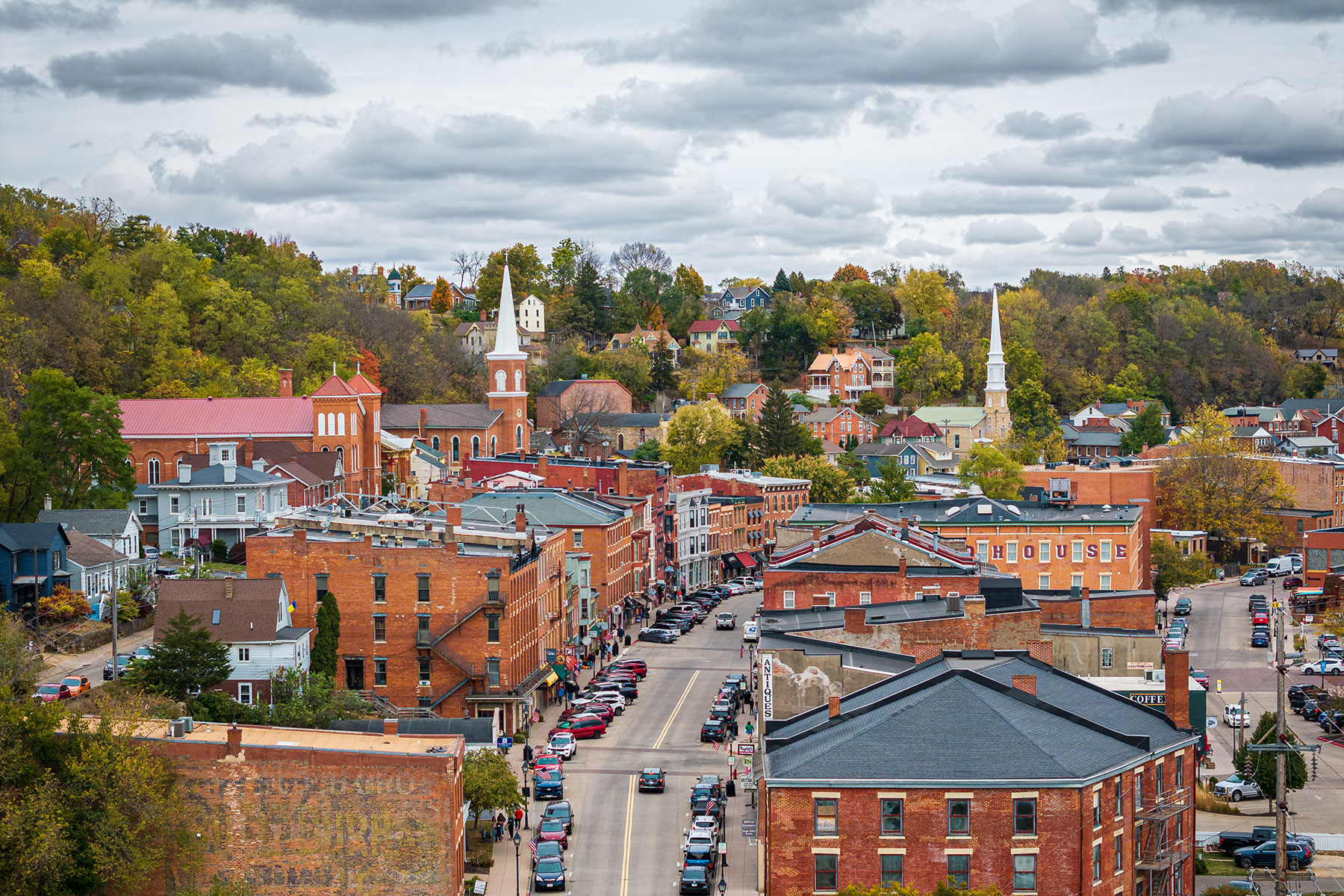
Galena survived as a time capsule because its economy collapsed before anyone could tear down the 19th-century buildings and replace them with modern development. The town’s mining boom brought wealth in the 1850s, then went bust, leaving behind brick storefronts and limestone mansions that now make up 85% of the National Register of Historic Places.
Wedding venues include mansions from the town’s wealthy mining era, a former opera house, and countryside estates on rolling hills overlooking the Galena River valley. The architecture delivers period authenticity without feeling like a movie set, which works if you want your wedding to feel rooted in actual history rather than themed decoration. Galena’s preservation also means limited modern hotel options, so your guests might be staying in bed-and-breakfasts or driving from nearby Dubuque.
View more about Illinois Weddings
Devil’s Lake, Wisconsin: Bluffs, Water, and State Park Protection

Devil’s Lake State Park gives you 500-foot quartzite bluffs rising from a spring-fed lake, which creates ceremony backdrops that don’t look like they belong in Wisconsin. The park’s protection means no development, no commercial signage, and landscape that photographs more like the Rockies than the Midwest.
Venues cluster around the park rather than inside it. You’ll find lakeside lodges, historic resorts from the early 1900s, and event spaces designed to frame the bluff views. The limitation is infrastructure. This is a state park area, not a resort town, so vendor options thin out quickly. You’ll likely bring in caterers and planners from Madison, about 45 minutes south. That extra coordination pays off if natural drama matters more to you than convenience.
View more about Wisconsin weddings
Hermann, Missouri: Wine Country on the Missouri River
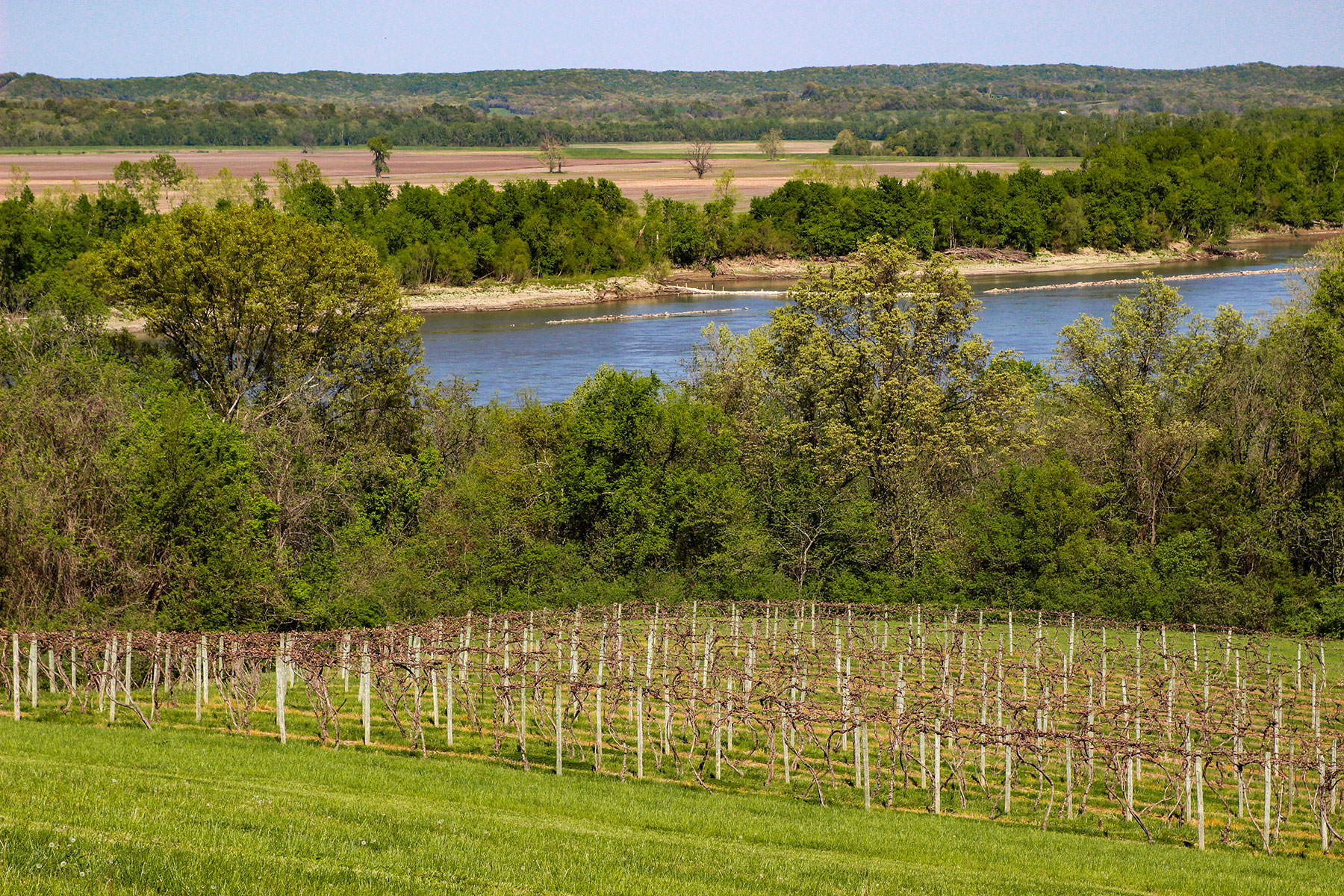
Missouri produces more wine than you’d expect, and Hermann sits at the center of that production. The town’s German heritage shows up in its stone wineries, some of which date to the 1840s and still operate as working vineyards. You can get married in wine caves, on vineyard hillsides overlooking the Missouri River, or in historic cellars that aged wine before Prohibition shut everything down for 13 years.
The wine angle differentiates this from standard Midwest barn venues. Your reception includes actual local wine, not just wine shipped in from California. Your guests tour working wineries between ceremony and dinner. Your weekend feels more destination than day trip, even though you’re only 90 minutes from St. Louis. Just manage expectations about lodging. Hermann is small, genuinely small, so larger wedding parties might need to spread across multiple bed-and-breakfasts or make the drive from nearby towns.
View more about Missouri weddings
Brown County, Indiana: Artist Colony in Indiana’s Hill Country
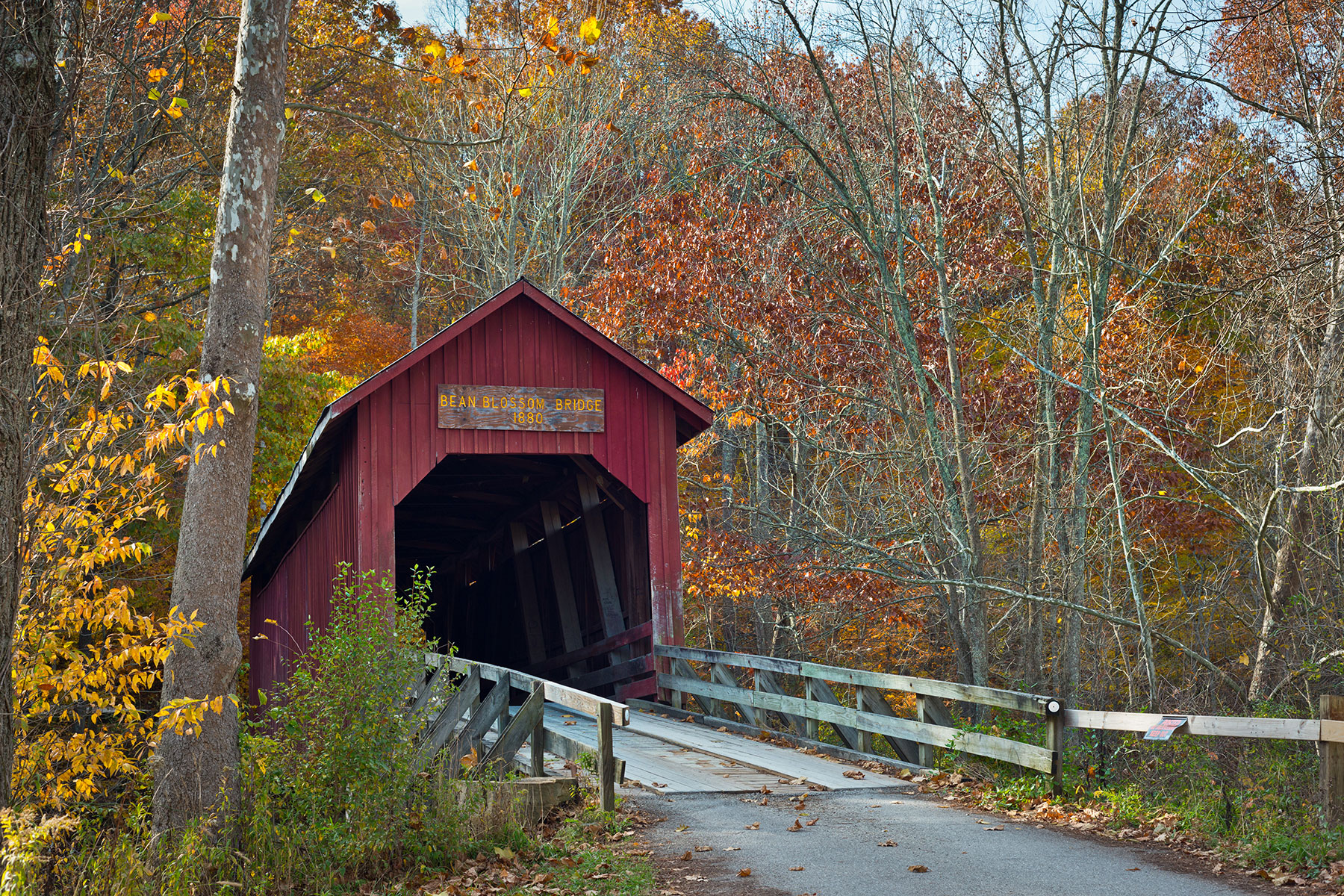
Brown County delivers something Indiana rarely provides: topography. The glaciers that flattened most of the state missed this pocket of hills in south-central Indiana, creating elevation changes that support the best fall color in the state and enough visual interest to attract artists since the early 1900s.
Nashville (the Indiana one, population 800) sits at the center of Brown County and operates as an artist community with over 300 working artists, galleries that aren’t tourist traps, and restaurants that survived because locals actually eat there. Brown County State Park surrounds the town with 16,000 acres of forested hills, hiking trails, and overlooks that photograph more like Appalachia than the Midwest.
Wedding venues include the Abe Martin Lodge inside the state park, restored barns on hillside properties, and the Artist’s Colony Inn in downtown Nashville. The fall color (mid-October) brings crowds that triple the town’s population, so book early and expect premium pricing. Off-season weddings give you better rates and availability but sacrifice the dramatic autumn backdrop that makes Brown County worth the drive. The area works best for couples who want an artist retreat aesthetic without the Vermont price tag and guests who appreciate small-town authenticity over resort amenities.
View more about Indiana weddings
Amana Colonies, Iowa: Seven Villages, One Wedding Tradition
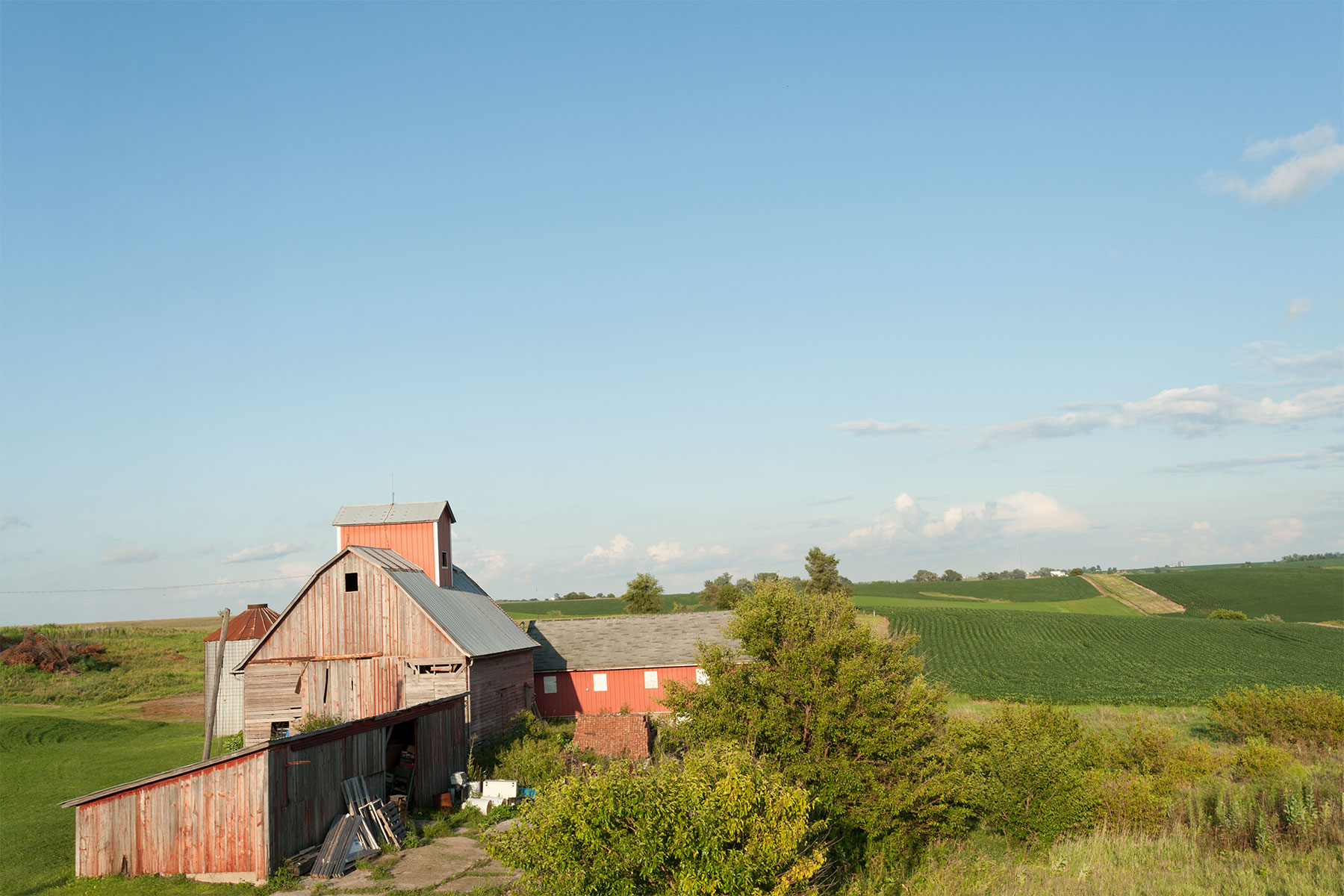
The Amana Colonies aren’t one town but seven villages established by German Pietists in the 1850s as a communal religious society. They operated collectively until 1932, which means the architecture, layout, and cultural infrastructure reflect actual communal planning rather than themed reconstruction. The villages still produce wine from grapes grown in colony vineyards, operate communal kitchens that now serve as restaurants, and maintain the kind of craft traditions that disappeared elsewhere when Walmart arrived.
Wedding venues include heritage halls in original colony buildings, wineries that date to the 1800s, and the Ox Yoke Inn, which occupies former communal kitchen space. The Amana Heritage Museum sits in Amana proper if you want ceremony photos that include actual colony history. Middle Amana, High Amana, and the other villages spread across a seven-mile area, so your wedding weekend can involve multiple locations without requiring highway driving.
The colonies work for couples interested in heritage tourism that isn’t manufactured. You’re getting married in buildings that housed actual communal society members, drinking wine from vines they planted, and eating family-style meals served the way colony residents ate them. The cultural authenticity differentiates this from standard historic venue options, though it also means accepting Germanic simplicity over ornate decoration. Guest lodging spreads across bed-and-breakfasts in multiple villages, which creates a scattered rather than centralized weekend experience.
View more about Iowa weddings
Black Hills, South Dakota: Mountains, Buffalo, and Granite Peaks
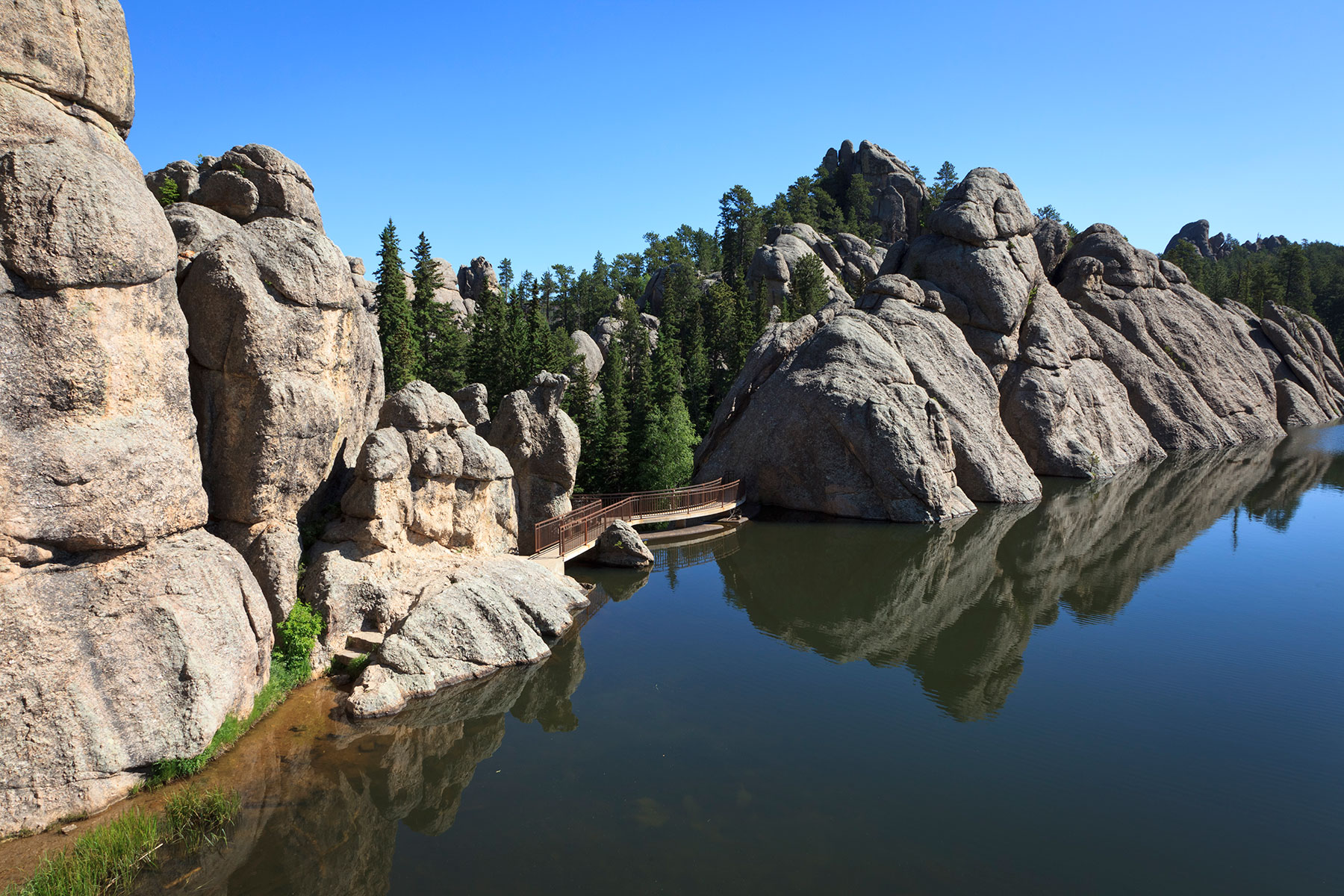
The Black Hills rise from the Great Plains like they don’t belong there, creating 1,200 square miles of ponderosa pine forest, granite peaks, and elevation that tops 7,200 feet. Custer State Park, the second-largest state park in the United States, gives you mountain scenery, a herd of 1,300 free-roaming buffalo, and ceremony sites with views that look nothing like the rest of the Midwest.
Wedding venues include the State Game Lodge where Calvin Coolidge spent his 1927 summer presidency, Sylvan Lake Lodge perched next to a granite-ringed alpine lake, and various properties in Hill City and Keystone that cater to destination weddings. Mount Rushmore sits 25 miles from Custer, which your guests will visit whether you want them to or not. Needles Highway and Iron Mountain Road deliver dramatic drives through granite spires and tunnels if you’re planning wedding party photos that require scenic backdrops.
The Black Hills work as a genuine mountain destination wedding without requiring Rocky Mountain National Park logistics. You get alpine scenery, wildlife that actually roams free, and lodging options that range from rustic lodges to Rapid City hotels 40 miles away. Summer brings peak season crowds and pricing. Fall delivers better rates and color change in the aspens. Winter makes everything harder but creates the kind of snow-covered mountain wedding photos that look like you got married in Colorado. The destination requires commitment from guests, but the landscape delivers enough drama to justify the travel time.
View more about South Dakota weddings
Minnesota’s North Shore: Lake Superior Without the Ocean
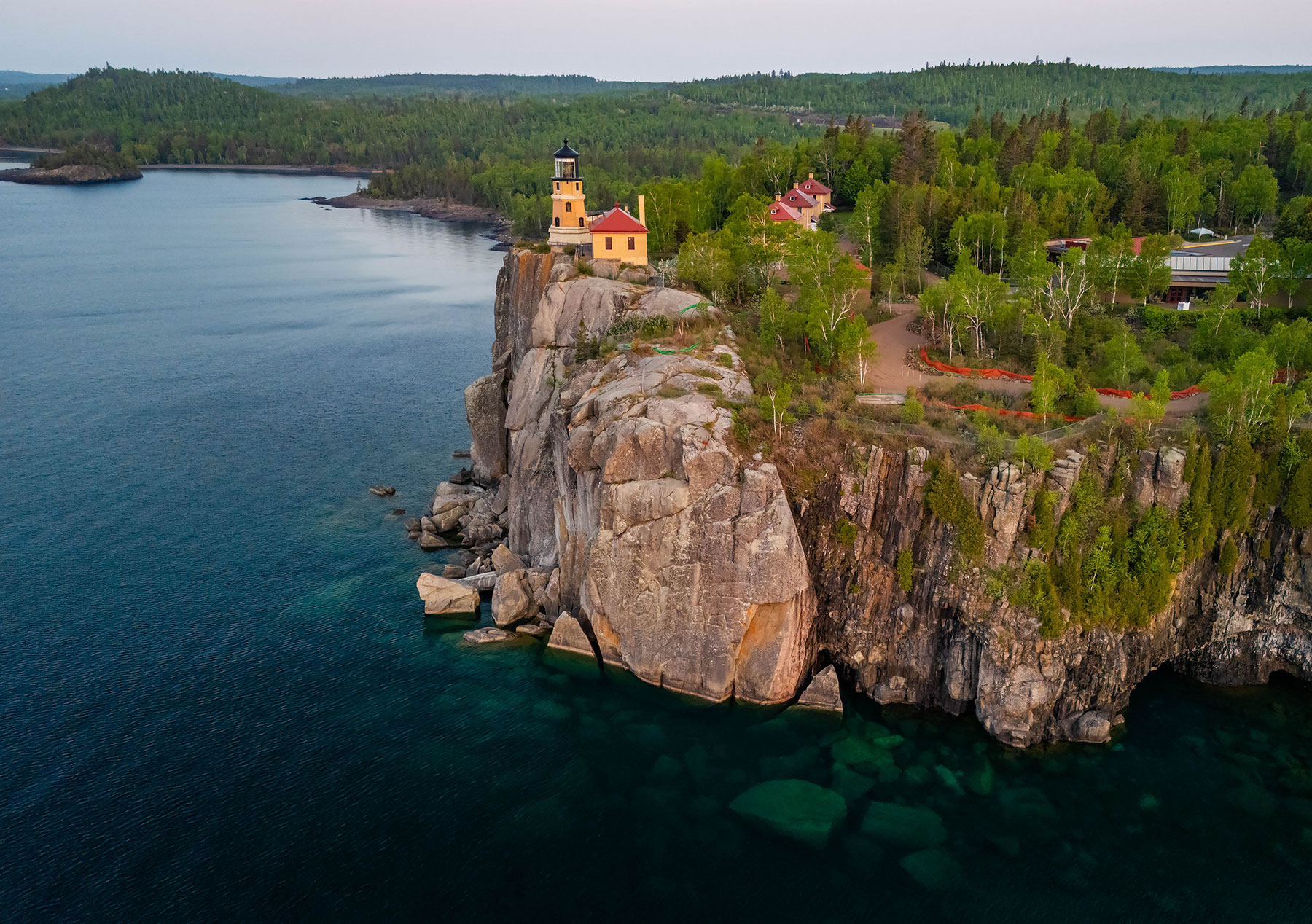
Minnesota’s North Shore runs 150 miles along Lake Superior from Duluth to the Canadian border, delivering rocky coastline, lighthouses, and fall color that rivals anything in New England. The lake is cold enough and large enough to create its own weather systems, which means dramatic skies and the kind of coastal atmosphere you don’t expect to find in the Midwest.
Split Rock Lighthouse, perched on a cliff 130 feet above the lake, offers ceremony sites with Superior as your backdrop. Lutsen Resort and other North Shore properties give you lakeside venues with floor-to-ceiling windows framing the water. Grand Marais, at the far northeast end, provides small-town charm with enough restaurants and lodging to support a wedding weekend. Two Harbors sits closer to Duluth if you want easier airport access for guests.
The North Shore works best for couples comfortable with weather variables. Lake Superior doesn’t care about your ceremony timeline, and fog, wind, or sudden temperature drops happen even in summer. Fall delivers the most dramatic color (late September through early October), but also brings the highest lodging prices and the need to book venues a year or more in advance. The coastline photographs beautifully year-round, though winter weddings require serious cold-weather planning and guests willing to drive on snow.
Vendor options concentrate in Duluth, with some locals operating farther up the shore. Your logistics get more complicated the farther north you go, but the landscape also gets more dramatic. It’s a trade-off between convenience and coastline that doesn’t look like anywhere else in the Midwest.
View more about Minnesota weddings
Put-in-Bay, Ohio: Lake Erie Island With Ferry Access Only
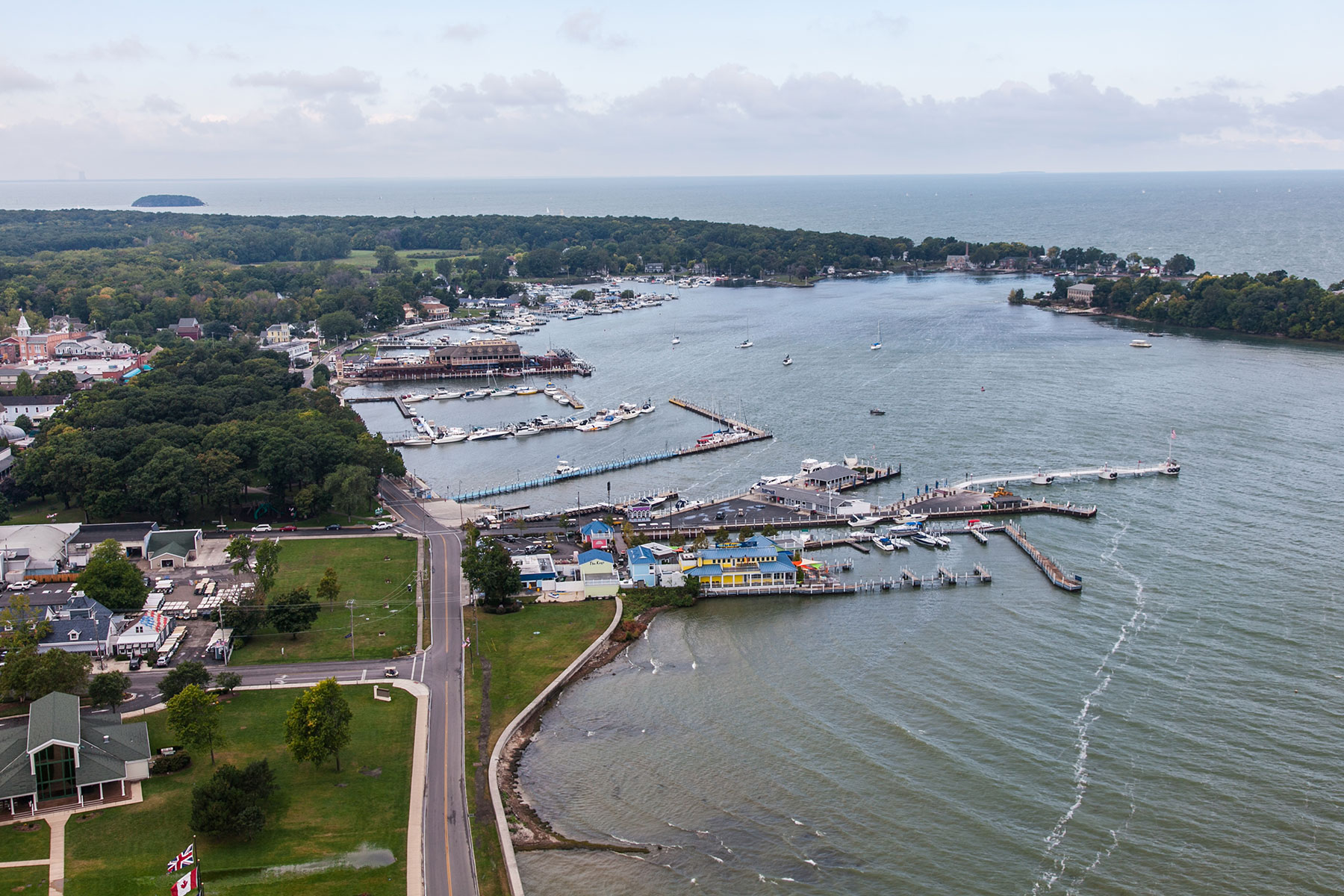
Put-in-Bay sits on South Bass Island in Lake Erie, accessible only by ferry or small plane. That geographic limitation creates a contained wedding weekend where your guests can’t easily leave. The island’s three square miles include limestone caves, a 352-foot monument to the War of 1812, vineyards that date to the 1850s, and enough bars to keep a college town running.
Wedding venues range from the historic Commodore Resort to winery grounds with lake views to the Put-in-Bay Yacht Club for couples who want a nautical angle. The island works best for summer weddings when ferry schedules run frequently and weather cooperates. Off-season weddings risk transportation issues if Lake Erie decides to be Lake Erie. But if you want your wedding to feel like a destination event without leaving the Midwest, the island geography does that work automatically.
View more about Ohio weddings
Planning Considerations for Midwest Destination Weddings
Destination venues come with logistics that standard ballrooms don’t. Remote locations limit your vendor pool. Historic buildings restrict what you can install or modify. State parks require additional permits. Island destinations complicate transportation for elderly guests or anyone with mobility limitations.
Weather also plays differently in these locations compared to standard indoor venues. The Badlands deliver dramatic sunsets but also high winds. State parks offer natural beauty but limited backup options if storms roll in. Ferry-access islands add another variable to your timeline.
Many couples getting married in these destinations often purchase wedding insurance that covers weather-related postponements, vendor failures, and wedding liability insurance to meet venue requirements. When your venue sits in a state park or on an island with ferry-only access, the standard “we’ll figure it out” approach creates more problems than it solves. Liability coverage becomes mandatory when venues require it as a booking condition, which many of these locations do.
The Midwest offers wedding destinations that deliver geographic drama, historic character, and experiences your guests won’t forget. These locations require more planning than a hotel ballroom, but they also create celebrations that feel less cookie-cutter and more considered. Pick your landscape, plan your logistics, and find a venue that gives you substance along with scenery.