Part of our Wedding Debates series
Almost every couple hits the same wall somewhere in the planning process: a spreadsheet of names, a diagram of round tables, and the slowly dawning realization that deciding where everyone sits is somehow harder than choosing the venue.
The instinct is to frame it as a simple either/or. Assign every seat, or let people fend for themselves. But that framing is a trap, because it skips over the option most couples actually end up choosing. Seating isn't really a switch with two settings. It's a dial, and finding the right spot on that dial is the whole game.
This is part of our Wedding Debates series, where we tackle the planning decisions that divide couples, families, and wedding guests. We’re not here to tell you which service style is “best.” We’re here to give you the real information so you can decide what works for your wedding.
The Three Real Options
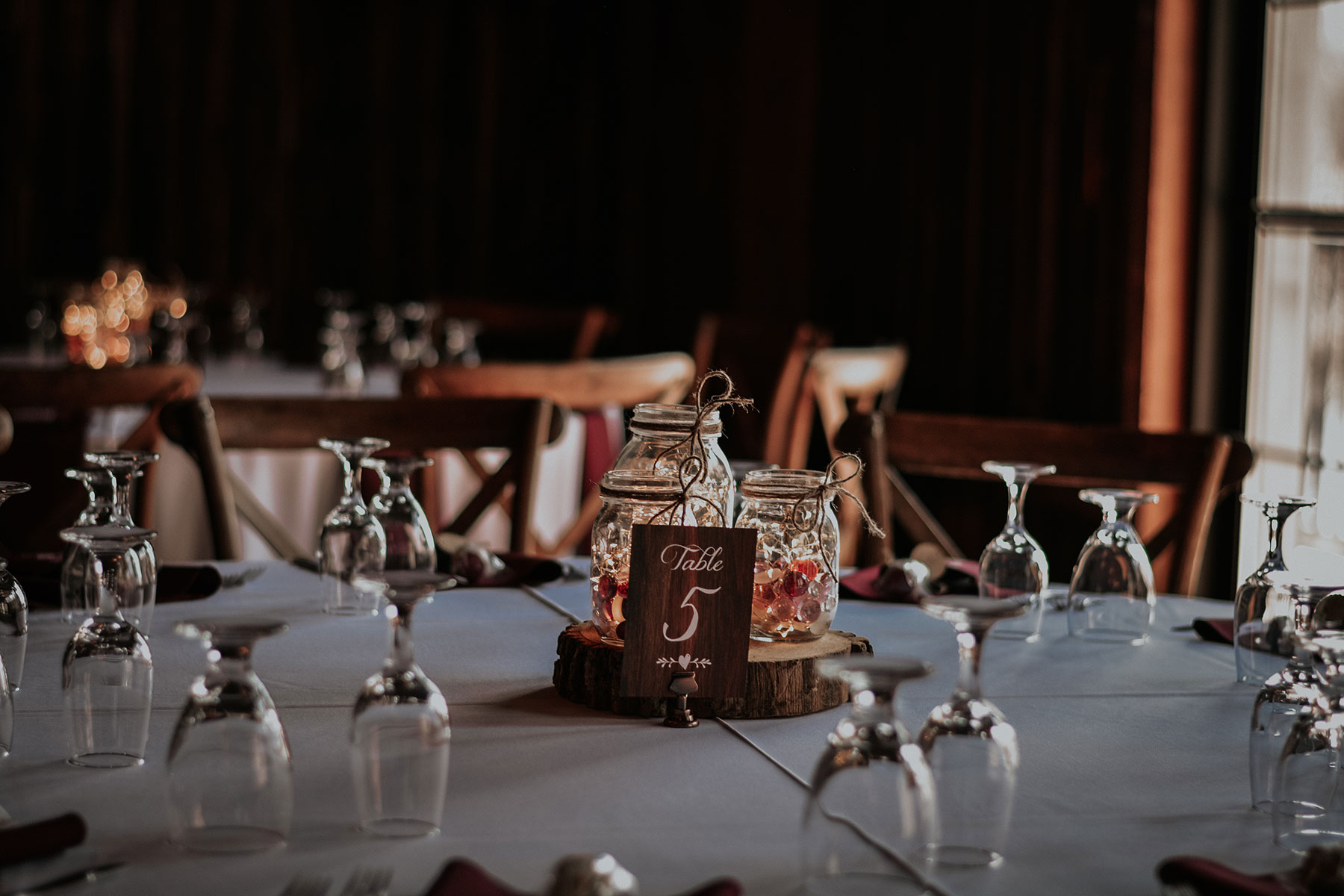
When people say “assigned vs. free,” they’re usually collapsing three distinct choices into two.
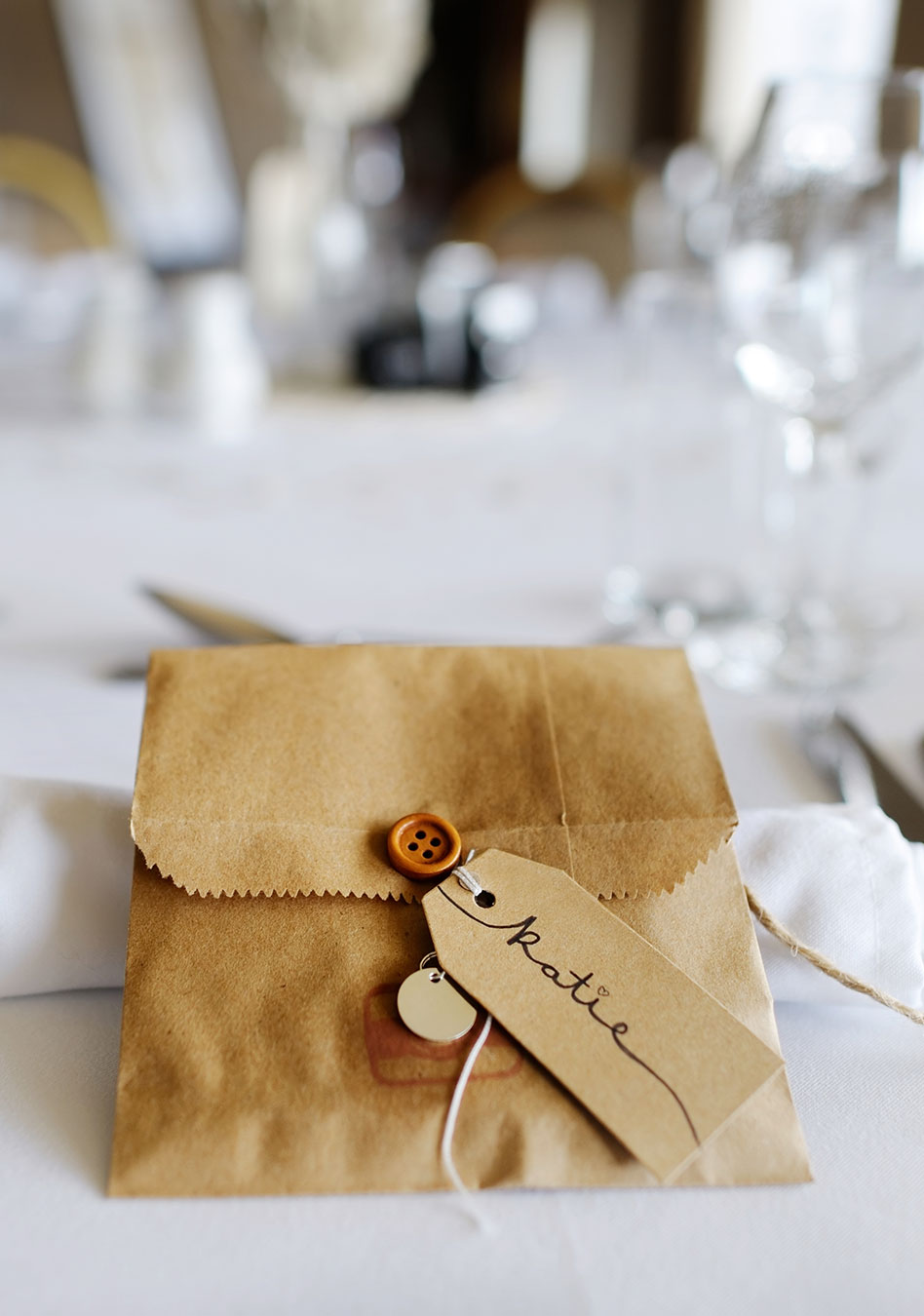
The first is fully assigned seating, where every guest has a specific chair at a specific table. This is the most formal version and the most work. It also requires two sets of cards: escort cards that point guests to their table, and place cards that mark the exact seat.
The second is assigned tables with open seats, where you tell guests which table is theirs but let them settle in wherever they like once they get there. You only need escort cards for this one.
The third is fully open seating, with no assignments at all. Guests walk in and sit wherever there’s room.
Most of the agonizing happens between these three, not between two extremes. So let’s actually look at what each one does well and where each one bites you.
Where Assigning Seats Earns Its Keep
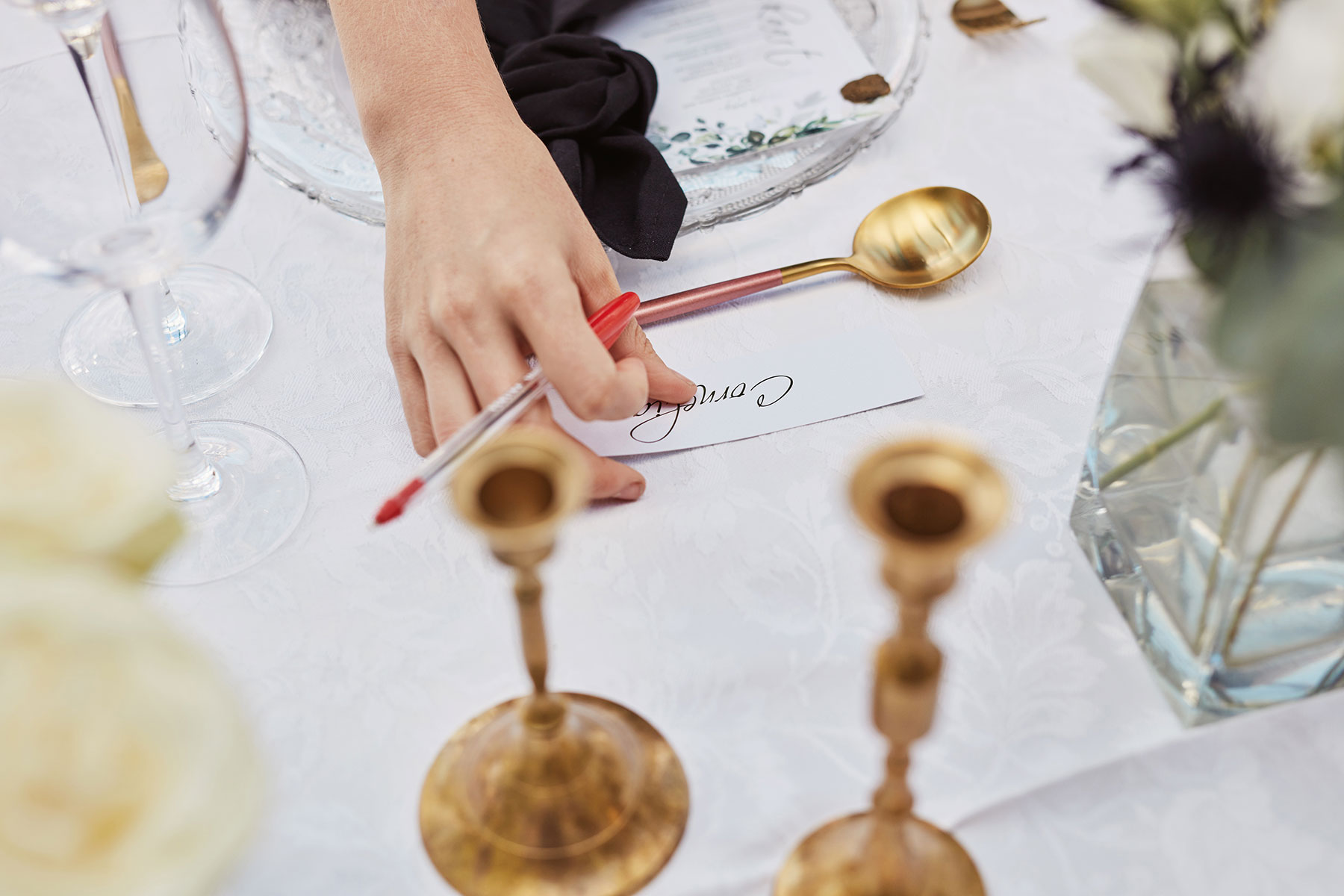
The strongest argument for controlling your seating has nothing to do with formality and everything to do with peace of mind. When you assign seats, you decide who sits next to whom, and that single power solves a startling number of problems before they happen.
Got divorced parents who’d rather not share a centerpiece? Handled. A shy cousin who’d wilt at a table of strangers but bloom next to your warmest friends? Sorted. A friend group that mixes beautifully, and another that absolutely does not? You’re the one holding the map. For couples navigating any kind of family complexity, this control isn’t a nice-to-have. It’s often the entire reason they assign seats in the first place.
There’s also a quiet logistical case. If you’re serving a plated dinner, especially one where guests chose between entrées, your caterer is essentially relying on place cards to get the right plate to the right person. Skip the assignments and plated service turns into a slow, confused guessing game. Assigned seating also lets you put elderly guests near the exits, leave room for a high chair, or seat someone with mobility needs exactly where they’ll be comfortable, none of which you can guarantee when seating is a free-for-all.
And then there’s the simplest benefit: nobody walks in holding a plate and a drink, scanning the room, wondering where they belong. Everyone has a name, a spot, and a place to land the moment they arrive.
The cost of all this is real, though, and it’s mostly paid in stress. The seating chart has a well-earned reputation as one of the most miserable tasks in wedding planning. You build an elegant solution to a puzzle of eighteen overlapping relationships, and then one RSVP changes and the whole thing wobbles. No-shows leave visible gaps at tables you carefully balanced. A surprise plus-one means squeezing in a chair the night before. On top of the emotional labor, fully assigned seating adds genuine line items: escort cards, place cards, a display, maybe calligraphy or printing. For some couples it’s worth every penny and every hour. For others it’s a mountain of effort to solve a problem they don’t actually have.
Where Letting Go Works Beautifully
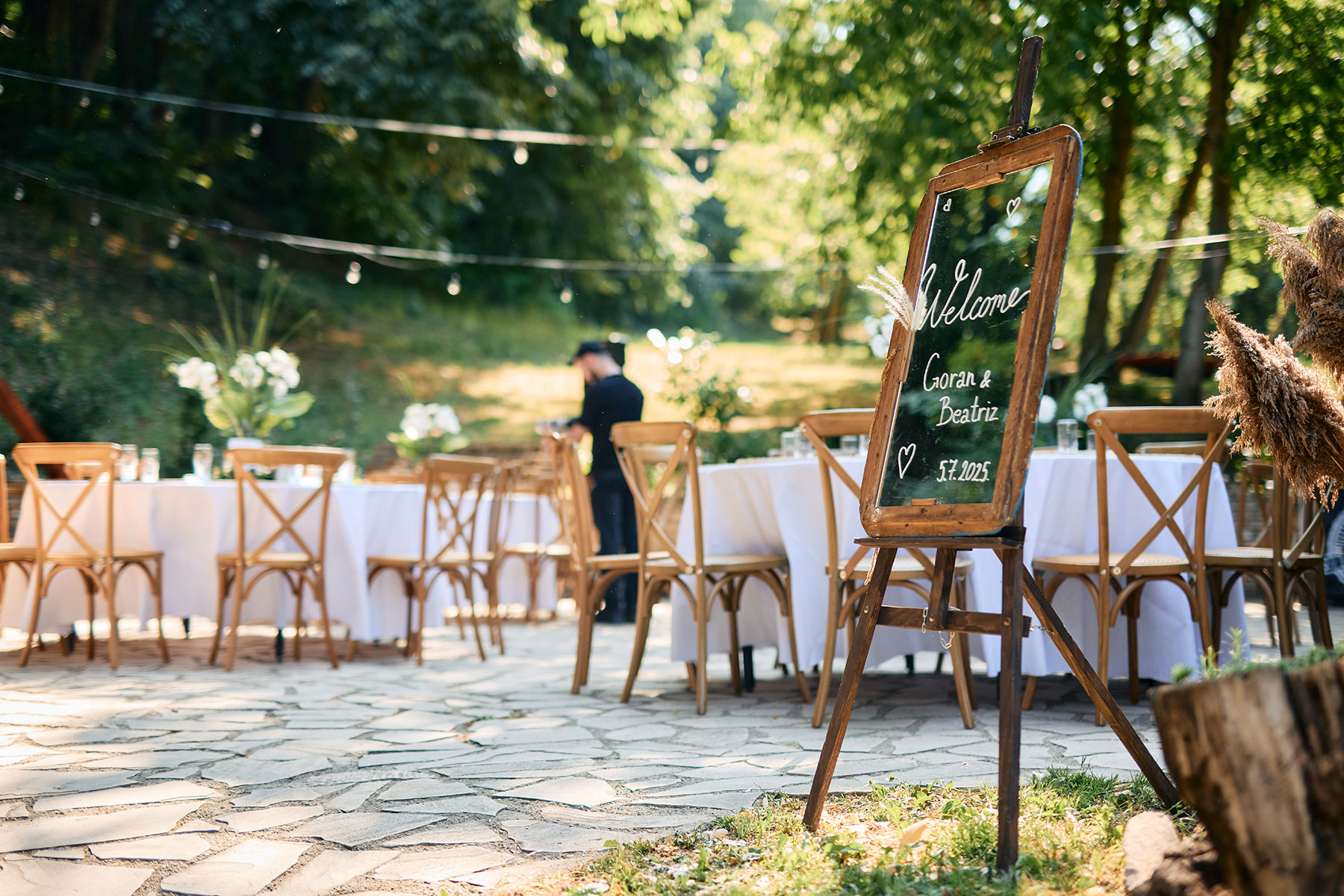
Open seating is the natural answer when your wedding doesn’t carry the weight that makes assignments necessary. A small guest list where everyone already knows each other. A buffet or stations instead of a plated meal. A casual, low-key celebration where the whole point is that nobody’s standing on ceremony.
In those settings, open seating isn’t a compromise, it’s a feature. You skip the single most dreaded planning task entirely. The vibe loosens. Guests drift toward the people they enjoy, friends who arrived together stay together, and the room arranges itself the way a good dinner party does. Last-minute changes stop being a crisis, because there’s no chart to rebuild when someone cancels or shows up unannounced. You also save the money and effort of all those cards.
But open seating has a shadow side, and it’s worth being clear-eyed about it. The same freedom that relaxes confident guests can quietly torture the ones who feel adrift. Walking into a full room alone and hunting for a seat is, for a lot of people, a small dose of first-day-of-school dread. Solo guests and out-of-towners are the most exposed, and they’re often the very people you most want to feel welcomed. There’s a real risk someone ends up stranded at a table of strangers, or worse, can’t find a spot near anyone they know.
Open seating also breeds the seat-saving problem almost every time. Jackets get draped over chairs, whole tables get guarded for friends still in the parking lot, and you end up with empty seats in one corner while guests stand around in another. And if a family of five arrives to find only three open chairs together, they’re getting split up whether they like it or not.
The Move Most Couples Actually Make
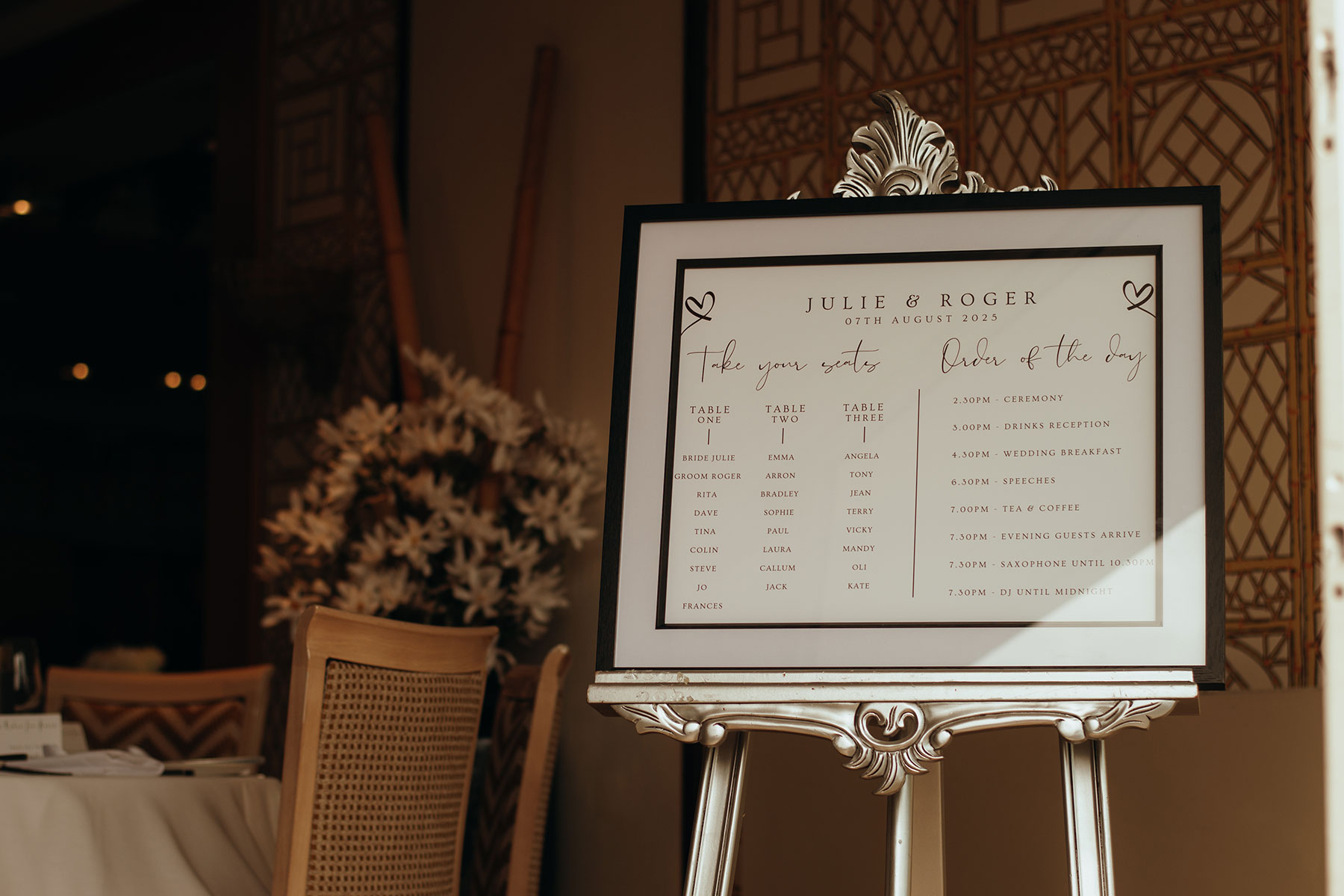
Here’s the option that quietly wins more often than either extreme: assign the tables, but not the seats.
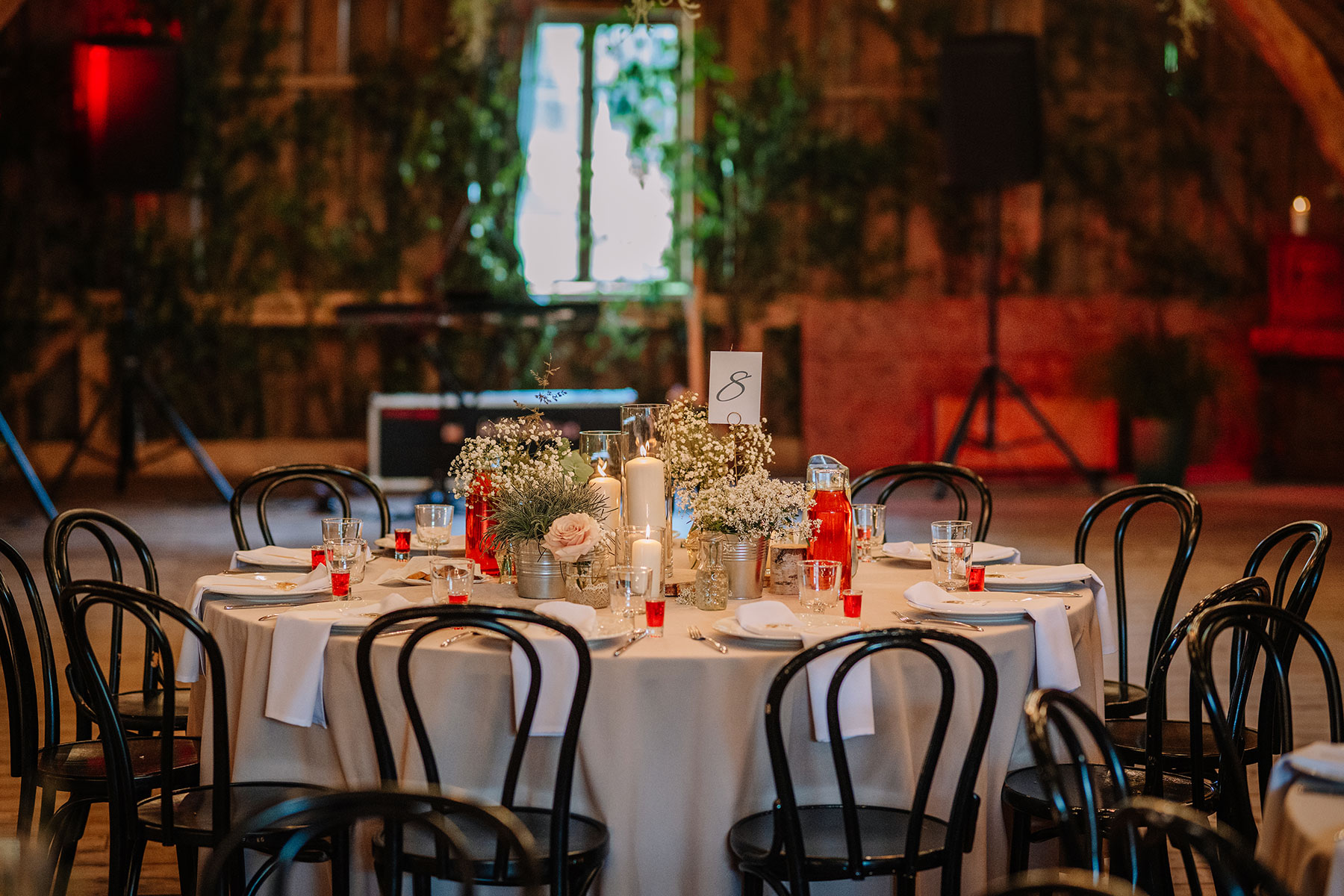
You group people thoughtfully, so the social dynamics still work in your favor, but you stop short of dictating every individual chair. Guests find their table, then pick where to sit within it. It’s a small shift that solves a surprising amount. You keep the power to separate the people who should be separated and cluster the people who’ll have fun together. You guarantee everyone has a home base, so nobody’s stranded. But you shed the most tedious, most fragile part of the process, because a no-show now just means a slightly emptier table instead of a gap you have to redesign around.
It’s not the only middle path, either. You can assign only the tables that truly matter, the head table, the immediate family, the guests with specific needs, and leave the rest open. You can run an otherwise open reception with a couple of tables quietly marked “Reserved” near the front for grandparents or anyone who shouldn’t have to compete for a seat. The principle is the same throughout: spend your control where it counts, and relax everywhere else.
Let Your Wedding Tell You the Answer
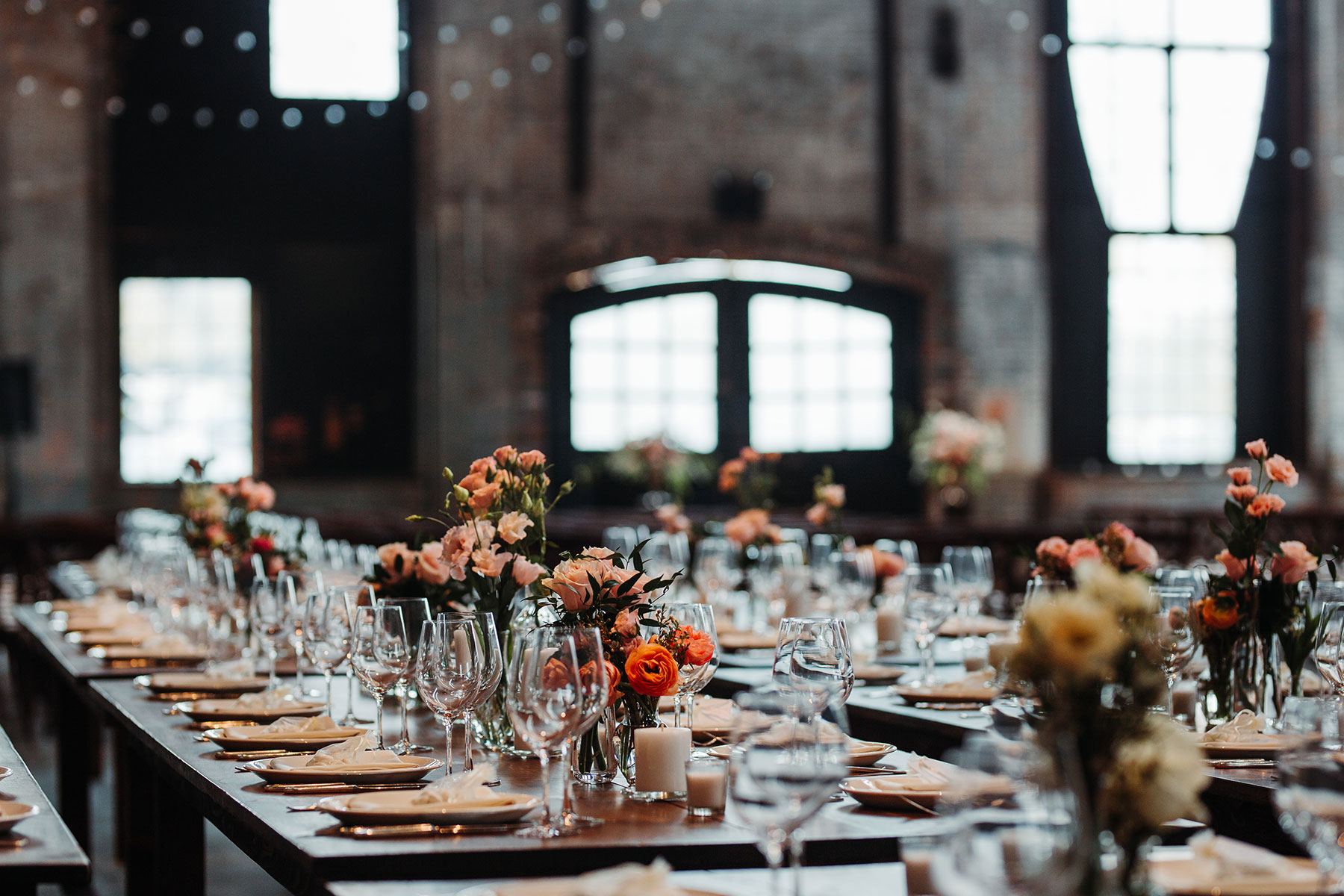
If you’re still unsure, stop thinking about seating in the abstract and look at the actual shape of your wedding. A few details tend to settle the question on their own.
Guest count is the bluntest signal. Under about 50 people, open seating usually takes care of itself. Between 50 and 100, assigned tables start earning their keep. Above 100, some form of assignment will spare you and your guests a lot of friction.
Your meal matters just as much. Plated dinner, especially with entrée choices, points firmly toward assigned seating. Buffet, stations, or family-style leaves you free to go open or assigned-table, whichever you prefer.
And then there’s the human layer. If your guest list is loaded with people who don’t know each other, or carries tensions you’d rather not leave to chance, that’s your cue to take the wheel. If everyone’s already friends and the mood is relaxed, you can hand them the freedom and trust them with it.
What Real Couples Did
Lauren and Tom (Colorado, 2024)
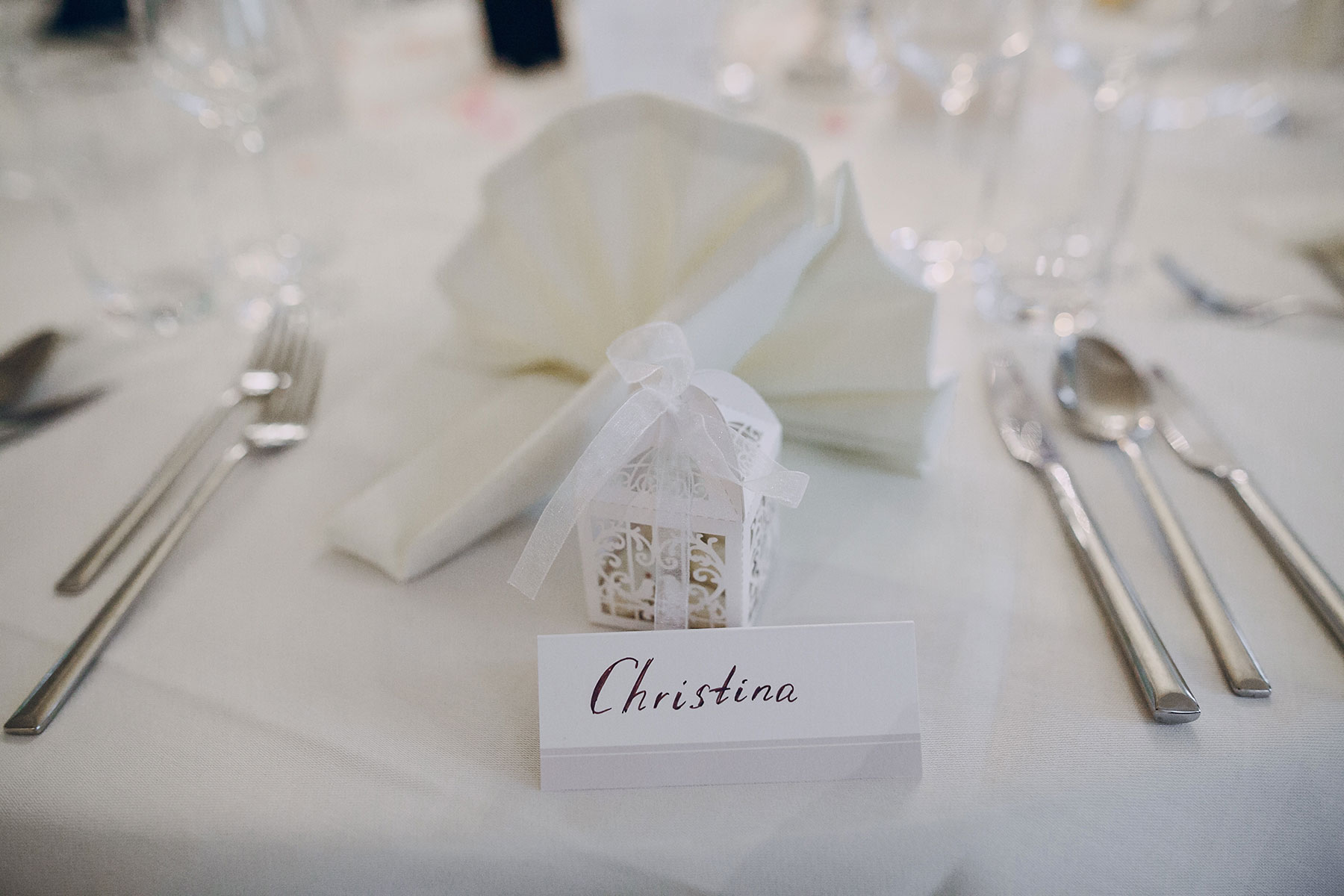
“We did fully assigned seating for 140 guests, and yes, the chart was a headache. But it was 100% worth it. Both sets of parents are divorced, and being able to control who sat where saved us from real drama. Everyone had a great time and nobody had to navigate anything awkward.”
Priya and Sam (San Diego, CA, 2025)
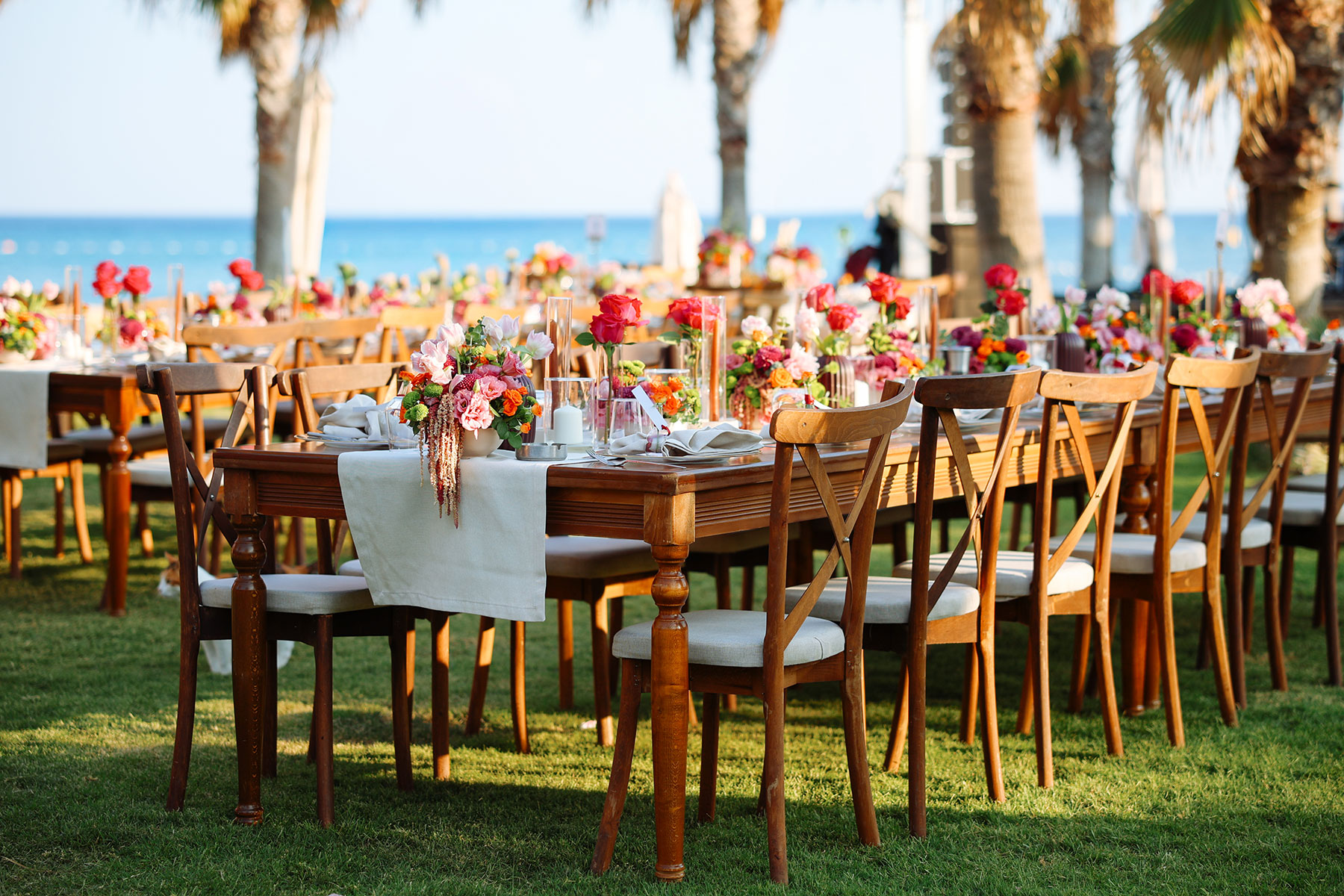
“Forty-five guests, totally open seating, and it was perfect for us. Super relaxed, everyone knew each other anyway, and we didn’t spend a single minute on a chart. People moved around between courses. It felt like a big dinner party instead of a formal event.”
Megan and Chris (Oregon, 2024)

“We assigned tables but let people pick their own seats, and that was the sweet spot. We grouped people who’d click, but guests still chose who to sit next to once they got there. Building the chart was so much easier when we were only thinking in terms of tables.”
Danielle and Ray (Michigan, 2025)
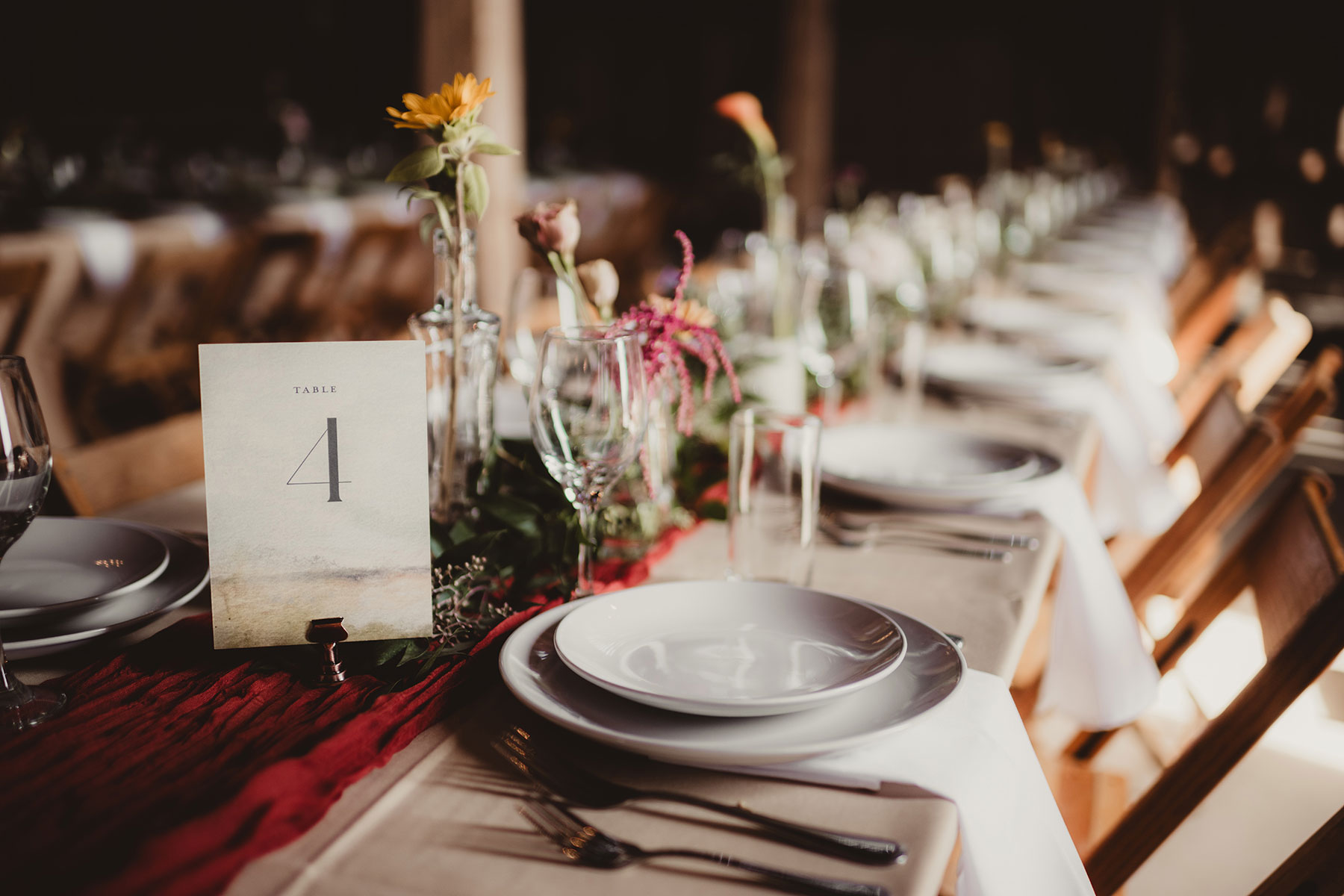
“We went open to keep things casual, and I slightly regret it. A couple of out-of-town guests told us afterward they felt awkward finding seats, and my grandmother was kind of stranded until a cousin noticed. I’d at least assign tables if I did it again.”
That last one is worth sitting with, because Danielle and Ray didn’t do anything wrong. Open seating just asked more of their quieter guests than those guests wanted to give. It’s the most common regret in this whole debate, and it’s almost entirely preventable with a light touch of structure.
Small Things That Make Either Choice Work
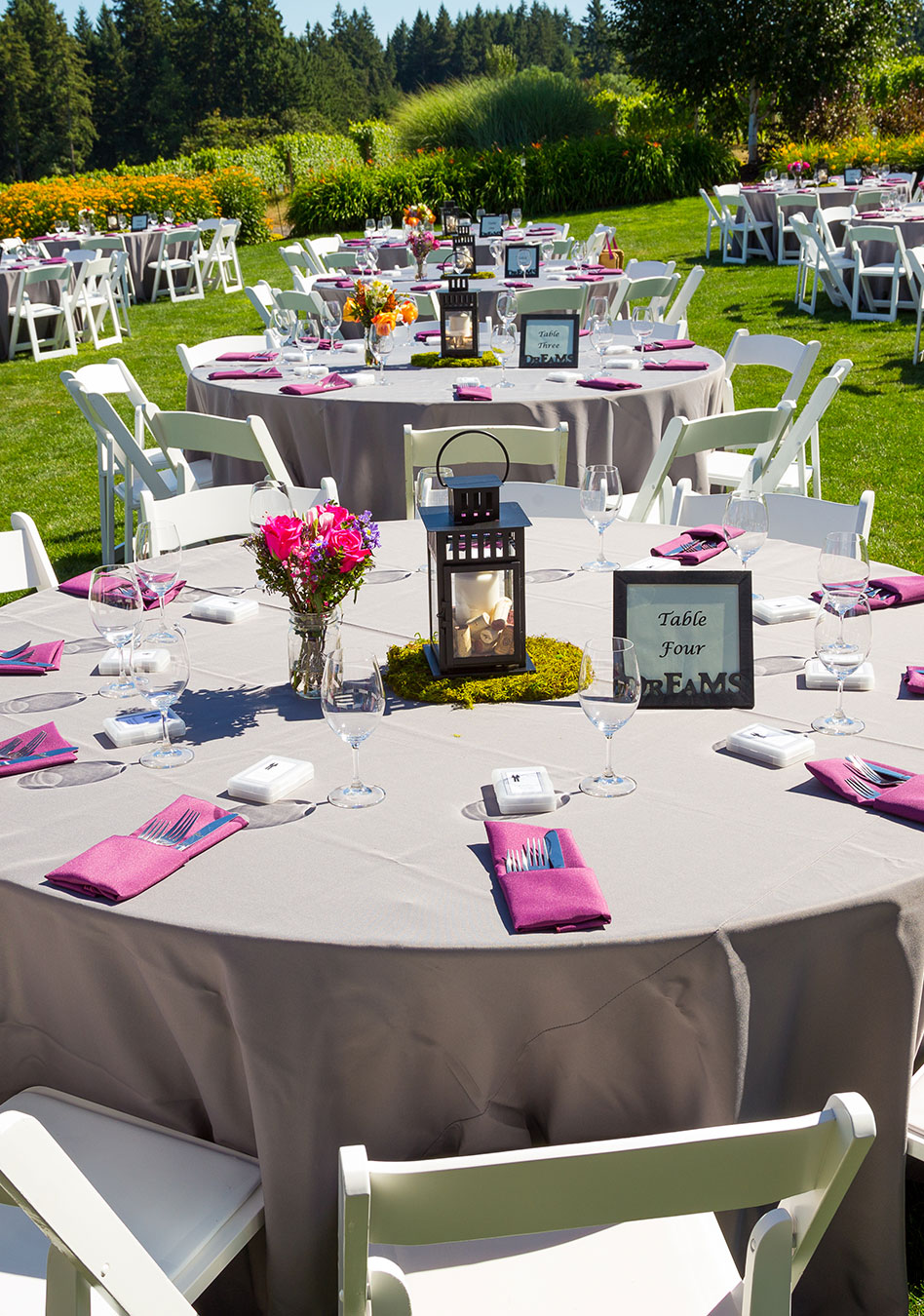
If you assign, build the chart as late as you reasonably can, after the RSVP deadline, so you’re working with real numbers instead of guesses. Use something you can rearrange easily, whether that’s a planning app or sticky notes on a wall. Leave yourself a little flex for last-minute surprises, and don’t lose sleep over a few empty chairs. Make your escort display easy to read so guests find their spots fast and the room fills smoothly.
If you go open, the single most important thing is simple: put out more seats than you have guests, ideally 10 to 15 percent more, so no one ever faces a full room. A small, friendly sign can gently discourage aggressive seat-saving. And it helps to ask your coordinator or venue staff to keep a quiet eye out for anyone who looks stranded, so a guest who’s struggling gets a nudge toward a seat instead of a lonely lap around the room.
A Few Common Questions
Do I actually need a seating chart? Not always. Small, casual, buffet-style weddings often run beautifully without one. Larger weddings, plated dinners, or guest lists with known friction usually benefit from at least assigned tables.
What’s the difference between escort cards and place cards? Escort cards send guests to the right table. Place cards mark a specific seat at that table. Fully assigned seating uses both; assigned-table seating uses only escort cards.
When should I build the chart? After your RSVP deadline, in the final two to three weeks. Start earlier and you’ll just rebuild it every time an RSVP shifts.
Is open seating tacky or cheap? No. It’s a legitimate and increasingly common choice. What guests actually notice is whether they felt comfortable and cared for, and that’s something you can ensure with enough chairs and a little forethought.
Can I mix the two? Absolutely. Assigning the tables that matter while leaving the rest open is a perfectly good approach that plenty of couples use without a second thought.
So Where Should You Land?
There’s no universally correct answer here, only the one that fits your wedding.
The bigger and more formal your celebration, the more a plated dinner or a complicated guest list factors in, the more you’ll be glad you assigned at least the tables. The smaller and more relaxed everything is, the more freely you can let guests sort themselves out.
And if you genuinely can’t decide, assign tables but not seats. It hands you the control that actually matters, the social wiring of the room, while sparing you the most thankless part of the job. For most couples, it really is the best of both worlds, which is exactly why so many of them end up there.
Whatever you choose, your guests will follow your lead. A confident plan, assigned or open, sets a smooth tone for the night. The seating is just a frame. The picture is everyone you love, in one room, celebrating you.
Protecting the Day You’re Planning So Carefully
You’re thinking through every detail of this wedding, right down to where each guest sits. That kind of investment deserves protecting. Weddings are joyful, but they’re also unpredictable: vendors fall through, weather turns, deposits disappear, accidents happen.
Wedding insurance from Wedsure offers some peace of mind, with liability coverage that many venues require and cancellation or postponement protection for the money you’ve already put down. A quick quote takes minutes and crosses one worry off the list.
Explore More Wedding Debates
Part of our Wedding Debates series, where we dig into the planning decisions that split couples and guests down the middle:
- Wedding Debates: The 5 Topics That Split Guest Lists in Half (Intro to the series)
- To Serve or Not To Serve: The Complete Guide to Alcohol at Your Wedding
- Kids at Weddings: The Debate That Divides Families (Literally)
- Late-Night Wedding Snacks: Worth It or Wasteful?
- Buffet vs. Plated vs. Food Truck: The Wedding Dinner Debate