Somewhere between booking the venue and finalizing the playlist, a question lands in the inbox of nearly every parent planning one of these celebrations. The country club, the hotel, the banquet hall, the museum sends over a contract, and in the fine print is a clause requiring a certificate of insurance. A million or two million in liability, or more. The venue listed as an additional insured. Due before the event.
If you've never thrown a large private event before, this is the part nobody warned you about. And it tends to land at exactly the moment you have the least patience for one more thing to figure out.
Here's a practical look at what's actually going on, why these events specifically create insurance considerations worth taking seriously, and how to handle the coverage piece without making it harder than it needs to be.
Why bar mitzvahs, bat mitzvahs, Sweet 16s, and quinceañeras consistently surface insurance requirements

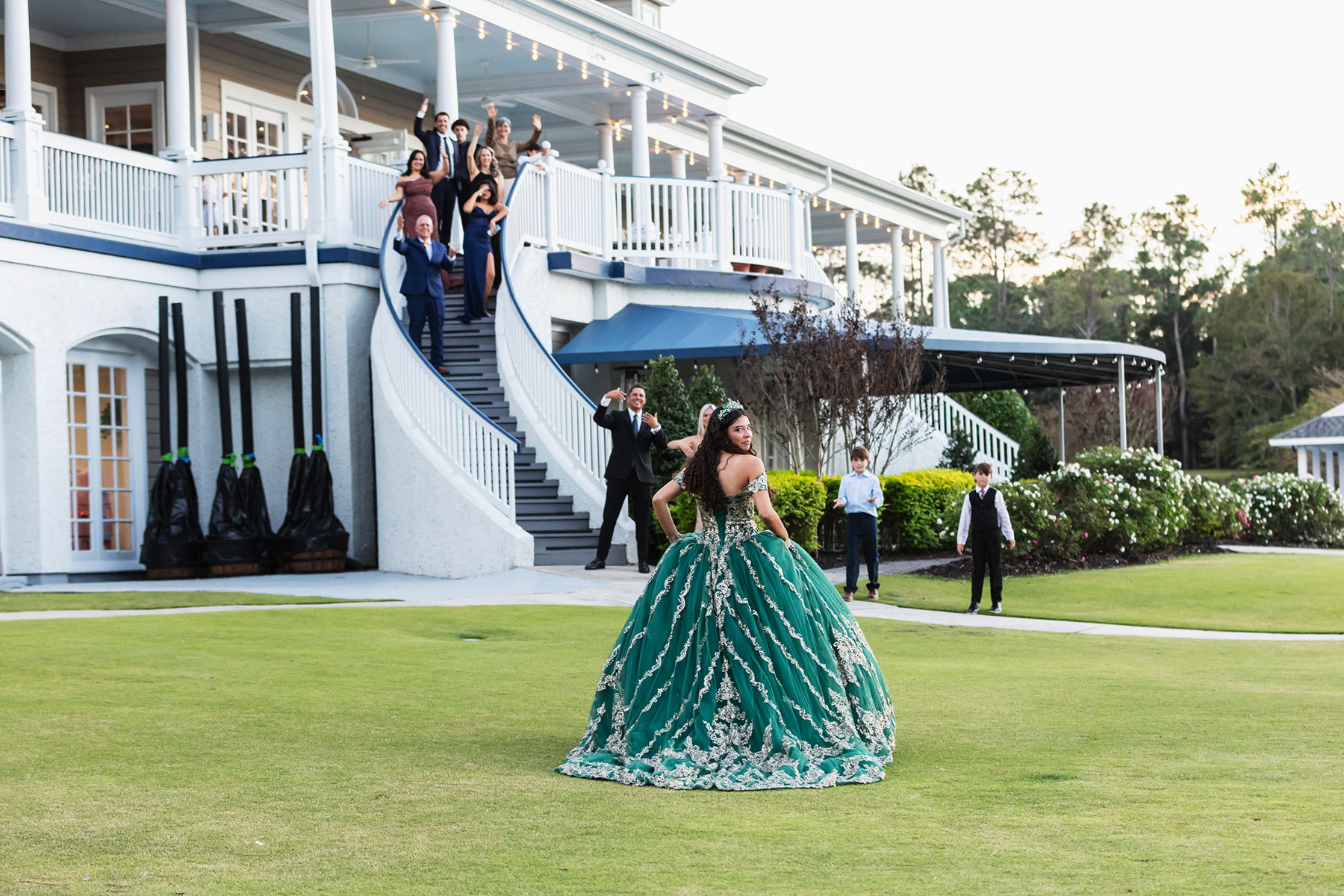
Each of these celebrations comes from its own tradition. A bar or bat mitzvah marks a Jewish thirteen-year-old’s coming-of-age, usually with a religious service followed by a celebration. A quinceañera honors a Latina girl’s fifteenth birthday, often with a Mass and a reception. A Sweet 16 is more secular and varies more in form, but it shares the same overall shape: a milestone moment with a meaningful guest list and a real party.
What they have in common, from an insurance perspective, is the combination that venues and underwriters take seriously: a large guest list mixing teenagers and adults, a formal venue, a DJ or band, a dance floor, food, and almost always an adult bar with kids present at the same event. That last piece — open bar with minors in the same room — is one of the higher-risk configurations for any event host, even when everything is being run properly.
That’s a big part of why these venues so consistently ask for a certificate of insurance. They’ve seen what can happen at these events. Their own carrier has likely told them not to host one without proof of coverage in place.
The venue contract is usually how this surfaces

Most parents discover the insurance requirement when they read the venue contract. Country clubs, banquet halls, hotel ballrooms, museums, gardens, and dedicated event spaces almost all include a clause requiring proof of event liability coverage, typically $1 million or $2 million in limits, naming the venue as an additional insured.
A few things worth knowing about what that actually means.
The venue is not asking you to insure their business. They have their own liability coverage for their building and operations. What they’re asking is for you to carry a policy that protects you, the host of the event, and to add them to that policy as an additional insured. That language makes sure the policy responds on their behalf too if a guest at your event ends up in a lawsuit that names everyone involved.
The certificate of insurance (often abbreviated COI) is a one-page document the insurance carrier generates to prove to the venue that you’re covered. Most venues will tell you exactly what they need to see on it — coverage amounts, event date, additional insured name, address.
It is not negotiable in most contracts. Trying to talk a venue out of the requirement is almost always a dead end. The smarter move is to handle it quickly and move on to the parts of planning you actually enjoy.
What can actually go wrong at one of these events

A few real-world scenarios of what event liability is built to respond to:
A teenage guest falls and breaks a wrist. Hospital bills, possible follow-up care, and the parents’ attorney is going to call the venue and you. Your policy steps in.
An adult guest from the open bar has too much, drives home, and rear-ends someone on the way. The injured party’s attorney will name everyone connected to the source of the alcohol. Host liquor liability is the piece of an event policy designed for exactly that situation.
A custom-built backdrop, photo wall, or centerpiece falls and damages the venue’s flooring, fixtures, or wall. Your policy responds to the property damage at the venue.
None of these are unusual. Venues see them often enough that they’ve stopped quietly absorbing the risk. The cost of being uninsured when one of them happens is dramatically higher than the cost of the policy.
What the coverage actually looks like
A standard event liability policy for one of these celebrations generally includes:
Bodily injury and property damage coverage for the event itself, usually with $1M or $2M limits depending on what the venue requires.
Host liquor liability, which covers situations involving alcohol served at your event. That matters more than people realize at events with adult bar service and minors in the room.
A certificate of insurance you can send directly to the venue, with the venue properly listed as an additional insured.
Optional cancellation and postponement coverage, which protects what you’ve already paid in deposits and non-refundable vendor payments if the event has to be moved or canceled for reasons outside your control.
Pricing typically lands in the couple-hundred-dollar range, which tends to surprise parents in a good way after months of getting quotes on flowers, photographers, DJs, and catering.
Where Wedsure fits in

Wedsure was originally built for weddings, but the same policy structure works beautifully for a wide range of private celebrations, including bar mitzvahs, bat mitzvahs, Sweet 16s, quinceañeras, milestone birthdays, anniversaries, and family reunions. The product is designed for the kind of host these events typically have: a parent or family member planning something deeply meaningful, not a professional event planner who deals with COIs every week.
Certificates of insurance are free and unlimited, with as many additional insureds as you need. No per-certificate fee. No cap on additional insureds.
You can read more about what’s included on our private events insurance page.
A few practical tips before you book the venue

Read the insurance clause in the venue contract before you sign, not after. Knowing the required coverage amount and additional insured language up front saves you a back-and-forth a week before the celebration.
Ask the venue for their certificate requirements in writing. Different venues have slightly different conventions, some want the address listed a specific way, some want a specific endorsement, some want a specific phrasing of the additional insured. The carrier can produce exactly what they ask for, but only if you know what to ask for.
If you have multiple events at multiple locations, get all of the venue requirements in front of you before you buy the policy. It’s much easier to issue one policy with the right additional insureds from the start than to add them piecemeal in the last week.
And don’t wait until the final stretch. Most policies can be issued the same day, but rushing a venue requirement the night before a celebration that took a year to plan isn’t how you want to spend that evening.